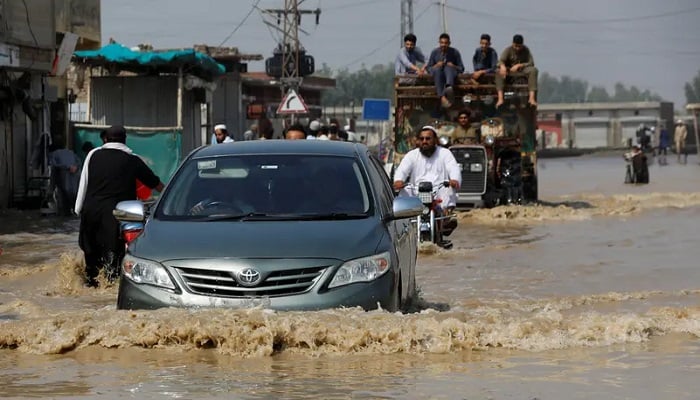
Islamabad, July 22, 2025 — Pakistan’s monsoon death toll has climbed to 223, with 12 fatalities reported in the last 24 hours, as heavy rains, flash floods, and landslides continue to wreak havoc across the country, according to the National Disaster Management Authority (NDMA).
The relentless monsoon season has caused widespread destruction, particularly in Punjab, which has recorded 135 deaths, primarily due to building collapses, lightning strikes, and flooding. Khyber Pakhtunkhwa follows with 56 fatalities, Sindh with 24, Balochistan with 16, and single deaths reported in Azad Kashmir and Islamabad. Gilgit-Baltistan reported three injuries but no fatalities. The NDMA noted that 594 people, including 79 men, 42 women, and 112 children, have been injured since the monsoon began. The latest 24 hours alone saw eight children, two men, and two women among the deceased, with ten others injured.
Over 800 homes have been damaged or destroyed nationwide, with Punjab reporting 168 partially damaged homes and Khyber Pakhtunkhwa noting 142 partially damaged and 78 fully collapsed structures. Sindh, Balochistan, Gilgit-Baltistan, Azad Kashmir, and Islamabad also reported significant property damage. Additionally, 200 livestock have perished, including five in the last day. A cloudburst at Babusar Top triggered landslides, blocking 14–15 routes and stranding tourists, who were safely evacuated to Chilas.
The NDMA has warned of ongoing risks, with the Pakistan Meteorological Department (PMD) forecasting heavy rainfall in regions like Khyber Pakhtunkhwa, Punjab, Islamabad, Gilgit-Baltistan, and Kashmir. This could lead to flash flooding in northern areas such as Chitral, Swat, and Mansehra, and urban flooding in cities including Lahore, Rawalpindi, and Peshawar. Landslides remain a threat in hilly regions like Murree and Galliyat. Authorities urge residents in flood-prone areas to stay vigilant as rescue and relief efforts continue.
The monsoon, vital for agriculture and water supplies, has become increasingly destructive due to climate change, rapid urbanization, and inadequate drainage systems, exacerbating the impact of extreme weather events.