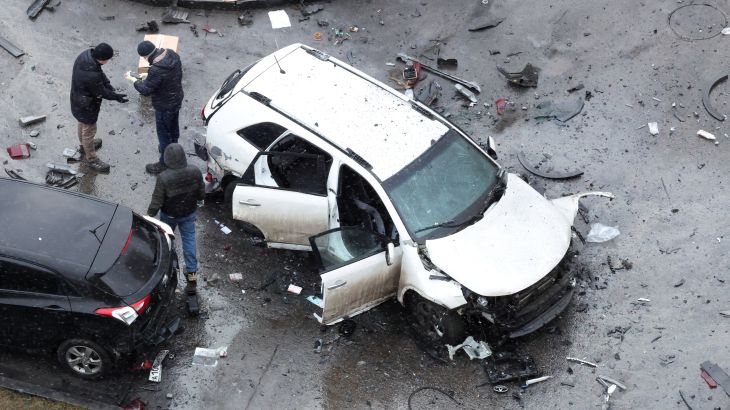
A car bomb killed a senior Russian general in southern Moscow on Monday, marking another high-profile assassination amid ongoing tensions over the war in Ukraine. The blast occurred just hours after Russian and Ukrainian officials held separate talks in Miami aimed at negotiating a potential end to the four-year conflict.
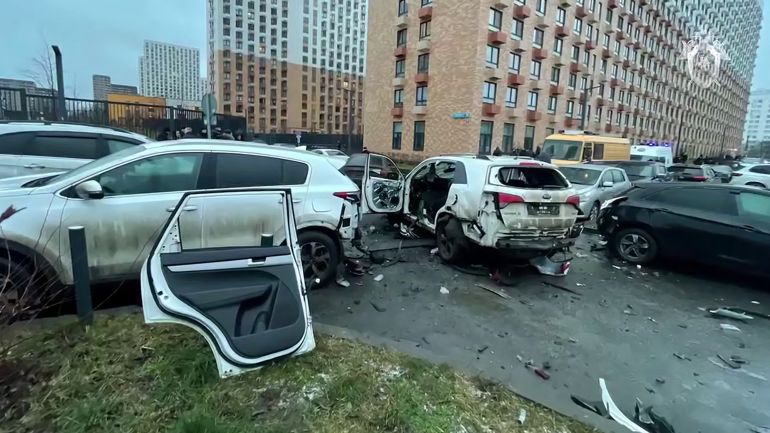
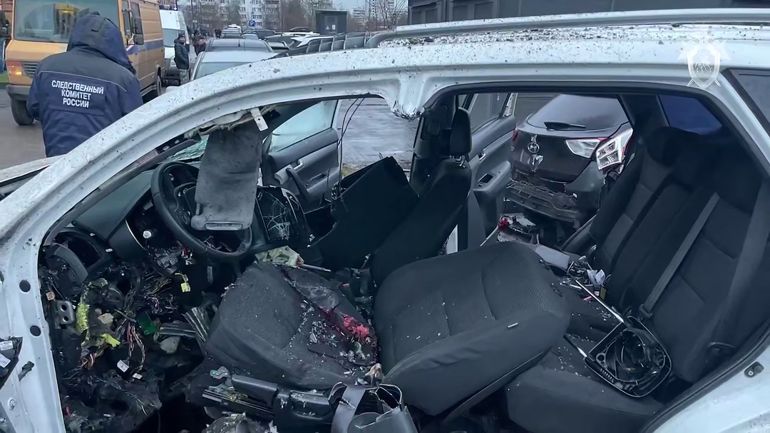
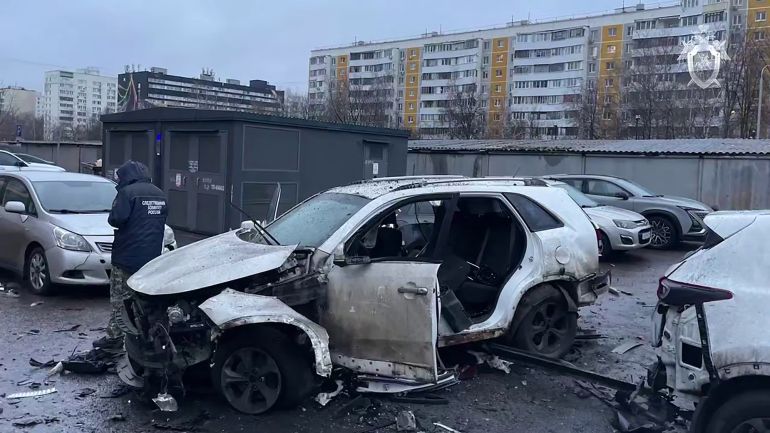
Lieutenant General Fanil Sarvarov, 56, head of the Russian General Staff’s training department, died when an explosive device planted under his parked vehicle detonated in a residential area of southern Moscow. The car, a white Kia SUV, was left mangled, with doors blown out and its frame charred, AFP reporters at the scene said.
Residents in the area described the shock of the attack. “We absolutely didn’t expect it. We thought we were safe, and then this happens right next to us,” said 74-year-old local resident Tatiana. Another resident, Grigory, 70, said, “The windows rattled, you could tell it was an explosion. We need to treat it more calmly. It’s the cost of war.”
Russia’s Investigative Committee, responsible for probing major crimes, said investigators were exploring multiple leads, including a potential link to Ukrainian special forces. Kyiv has not publicly commented on the incident. Analysts note that similar attacks in the past, targeting Russian generals and pro-Kremlin figures, have either been claimed by Ukraine or widely attributed to Ukrainian operations.
General Sarvarov had a long military career, participating in campaigns in the North Caucasus, including Chechnya in the 1990s, and commanding Russian forces in Syria during 2015-16.
The assassination comes in the wake of high-level US-brokered talks in Miami. Ukrainian negotiator Rustem Umerov and US special envoy Steve Witkoff described the discussions as “productive” and “constructive,” while Russian envoy Kirill Dmitriev met with the US delegation, which included Jared Kushner, son-in-law of former US President Donald Trump. An initial 28-point plan proposed by Trump aimed to meet Moscow’s core demands but faced pushback from Kyiv and European capitals due to proposed concessions, including control of Ukraine’s eastern Donbas region.
Ukrainian President Volodymyr Zelensky has expressed scepticism about Moscow’s willingness to pursue a genuine peace, pointing to ongoing attacks and military operations across eastern and southern Ukraine, which have resulted in tens of thousands of deaths and widespread devastation. The Kremlin denied reports suggesting it aims to seize all of Ukraine or re-establish Soviet-era influence in Eastern Europe, following US intelligence claims to the contrary.
Since Russia invaded Ukraine in February 2022, several Russian military and pro-Kremlin figures have been killed in similar attacks, highlighting a pattern of targeted violence. In April 2023, a Russian military blogger, Maxim Fomin, was killed by an explosive statuette in Saint Petersburg. In December 2024, Igor Kirillov, head of Russia’s radiological, chemical, and biological defence forces, died when a booby-trapped electric scooter exploded in Moscow, an attack claimed by Ukraine’s SBU. Earlier attacks include the April 2022 car blast that killed General Yaroslav Moskalik and the August 2022 assassination of Daria Dugina, daughter of ultranationalist ideologue Alexander Dugin.
The Moscow car bombing underscores the persistent and severe risks faced by high-ranking Russian military officials in the context of escalating hostilities, targeted assassinations, and the broader instability stemming from the ongoing conflict in Ukraine. The attack highlights both the vulnerabilities within Russian security measures and the high stakes of the war, where senior officers remain exposed to sophisticated and lethal operations. Investigators continue to meticulously examine evidence from the scene to determine the perpetrators and methods involved, while Kremlin officials have confirmed that President Vladimir Putin has been fully briefed on the incident, reflecting the gravity with which Russian authorities are treating the assassination.