Table of Contents
Netanyahu Iran War Pressure Intensifies as Trump Resists New Military Strikes
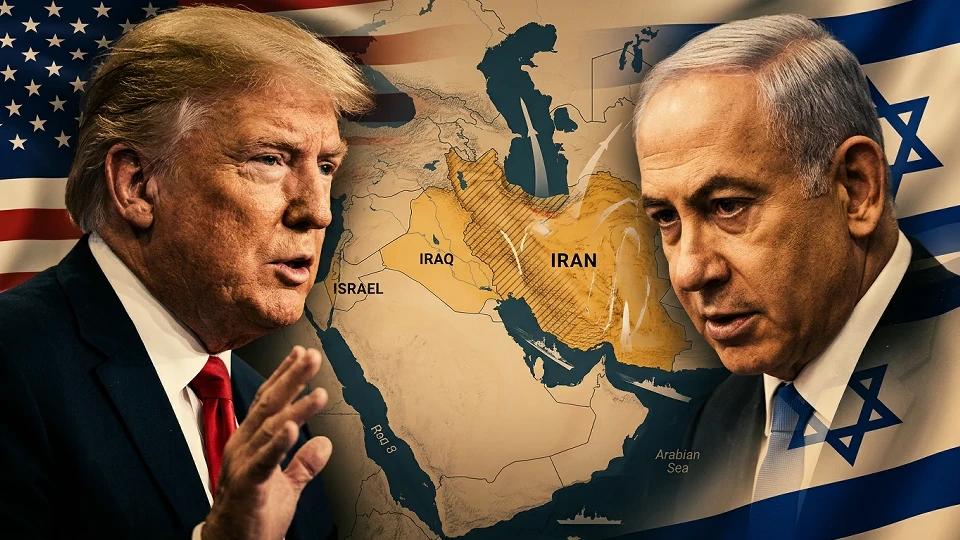
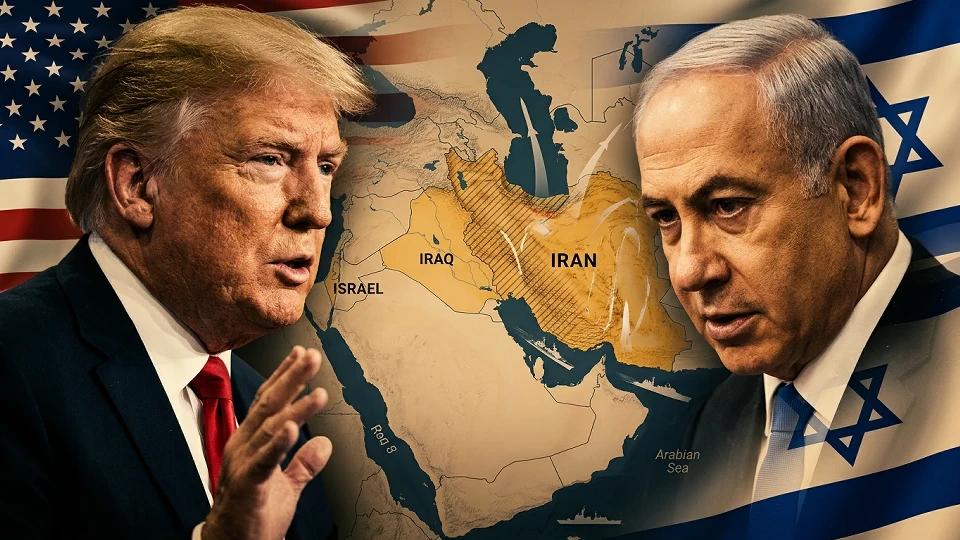
WASHINGTON: Netanyahu Iran War tensions are escalating as Israeli Prime Minister Benjamin Netanyahu reportedly intensifies efforts to persuade US President Donald Trump to resume military operations against Tehran. The arrival of Mossad chief Roman Gofman in Washington has added a new dimension to diplomatic discussions over the possibility of renewed hostilities in the Middle East.
According to a November 13 report by US news outlet Axios, Gofman is visiting Washington to meet senior Trump administration officials and discuss developments surrounding the Iran conflict. His engagements reportedly include a meeting with CIA Director John Ratcliffe, while a possible meeting with White House envoy Steve Witkoff in Miami is also under consideration.
Mossad Chief Arrives in Washington
The visit by Roman Gofman comes amid renewed diplomatic activity surrounding the future of the conflict between Israel, the United States and Iran.
Gofman, who maintains close ties with Netanyahu, is expected to discuss intelligence assessments, regional security developments and possible future options regarding Tehran.
His arrival coincides with Netanyahu’s reported efforts to convince the Trump administration that renewed military action against Iran is necessary.
The Israeli leadership has repeatedly expressed concerns about Iran’s nuclear capabilities and its ability to rebuild military infrastructure following previous confrontations.
However, the extent to which Washington is prepared to support another military campaign remains uncertain.
Trump Resists Netanyahu’s Military Pressure
Despite Netanyahu’s reported lobbying, Trump has so far resisted calls for an immediate return to large-scale military operations against Iran.
The two leaders reportedly discussed the conflict during a telephone conversation on November 5, reviewing the situation and possible next steps.Netanyahu wants Washington to reconsider military action, while Trump has favoured maintaining pressure through economic restrictions and the naval blockade rather than immediately launching fresh strikes.
The difference in approach highlights the challenges facing the US-Israel relationship as both governments consider the military, diplomatic and economic consequences of another confrontation.
Washington’s current approach suggests that the administration wants to retain pressure on Tehran without immediately committing American forces to another major military campaign.
Israel’s Election Creates Political Uncertainty
The diplomatic developments are unfolding against a complicated political backdrop in Israel.
The October 27 parliamentary elections weakened Netanyahu’s political position, leaving his governing bloc without the majority required to control the 120-member Knesset.
The results left Netanyahu’s bloc with approximately 53 seats, while the opposition bloc led by Gadi Eisenkot secured 48. Arab parties won the remaining 19 seats, creating a complicated path towards forming a new government.
The outcome has intensified political uncertainty, with neither major political camp initially securing enough support to govern independently.
Eisenkot’s Government Formation Challenge
Former military chief Gadi Eisenkot has emerged as Netanyahu’s principal political challenger.
Following the inconclusive election, President Isaac Herzog tasked Eisenkot with attempting to form a government.
However, his efforts face considerable obstacles because several political groups have differing positions on coalition arrangements.
Israel’s newly elected parliament had been sworn in without a new government, while Eisenkot continued efforts to assemble a governing coalition. Investing.com
If negotiations fail, Israel could face another election, while Netanyahu would remain in a caretaker capacity until a new administration is established.
Concerns Over a Possible New Iran Conflict
Netanyahu’s political opponents have expressed concerns about the possibility that renewed military confrontation with Iran could influence Israel’s domestic political situation.
Some opposition figures reportedly fear that Netanyahu could use heightened security tensions to complicate Eisenkot’s government-formation efforts and strengthen his own political position.
There are also concerns that an Israeli military operation could provoke Iranian retaliation, potentially creating a wider regional confrontation.
The possibility of renewed hostilities therefore carries implications beyond the immediate security relationship between Israel and Iran.
A new conflict could also affect regional stability, international energy markets and diplomatic efforts involving the United States and Middle Eastern countries.
Washington’s Economic Pressure Strategy
The Trump administration’s preference for maintaining economic and maritime pressure rather than immediately resuming military operations has become an important part of its Iran policy.
US Secretary of State Marco Rubio said on November 10 that major combat operations were not necessary at that stage, arguing that economic restrictions and the naval blockade were already inflicting substantial damage on Iran’s economy.
This position indicates that Washington is currently favouring economic pressure as an alternative to an immediate military escalation.
For Netanyahu, however, the reluctance of the Trump administration to resume strikes presents a diplomatic challenge.
Gofman’s Washington visit could provide an opportunity for Israeli officials to present their latest intelligence assessments and make the case for a tougher approach.
Nevertheless, no decision to restart military operations has been announced.
The coming days could prove important in determining whether Washington maintains its existing strategy or moves closer to Israel’s demands for renewed military action against Iran.See More on Pulse Pakistan