Table of Contents
Pakistan Gulf Exports have suffered a significant setback amid the escalating US-Iran conflict, with disruptions to shipping routes, rising transportation expenses and financial restrictions affecting the country’s access to key Gulf markets.
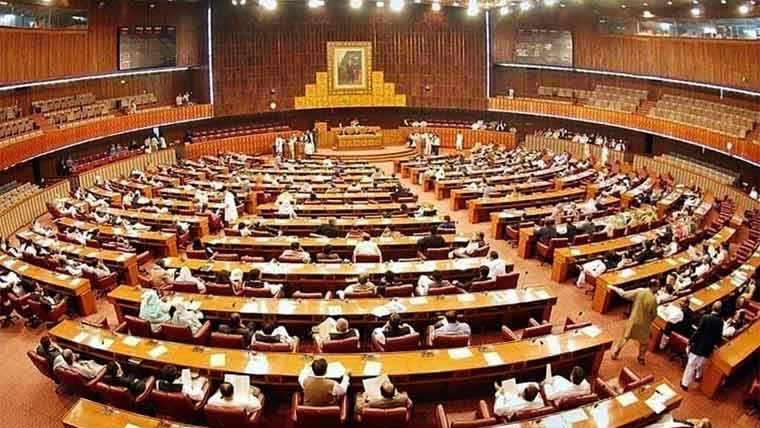
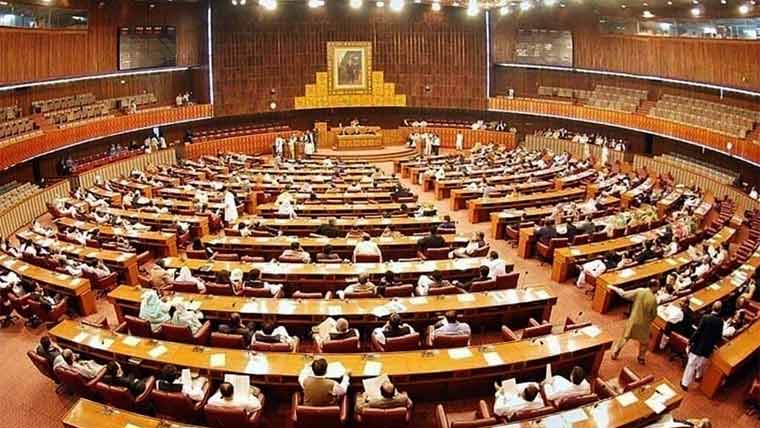
The issue was highlighted during a meeting of the National Assembly Standing Committee on Commerce, where Commerce Secretary Jawad Paul briefed lawmakers on the impact of regional tensions on Pakistan’s international trade.
According to the Commerce Ministry’s presentation, Pakistan’s exports to the six-member Gulf Cooperation Council (GCC) declined by $316.9 million, or 32.3 percent, between March and June 2026 compared with the corresponding period last year.
Exports during this period dropped from $980.6 million in 2025 to $663.7 million in 2026.
The overall export shortfall between March and October reached approximately $387 million, reflecting the continuing pressure on Pakistani businesses operating in regional markets.
Pakistan Gulf Exports Show Signs of Gradual Recovery
The Commerce Ministry reported that the decline in Pakistan’s Gulf exports narrowed to 6.4 percent during July-October 2026, compared with the same period last year.
The reduction in the export shortfall suggests that businesses have gradually adjusted their supply chains and explored alternative transportation arrangements.
However, exporters continue to face higher shipping expenses, insurance premiums and logistical difficulties.
The United Arab Emirates was among the most affected destinations during the initial phase of the conflict. Pakistan’s exports to the UAE declined by 42.7 percent between March and June 2026.
Shipments to Saudi Arabia recorded a comparatively smaller decline of 1.7 percent, while exports to Oman fell by 25.1 percent.
Qatar and Kuwait also experienced substantial reductions, with Pakistani exports declining by 49.8 percent and 38.7 percent, respectively. arabnews.pk
Iran Conflict Disrupts Shipping and Banking Channels
Commerce Secretary Jawad Paul told the parliamentary committee that the regional conflict had significantly affected Pakistan’s commercial activities with Gulf countries.
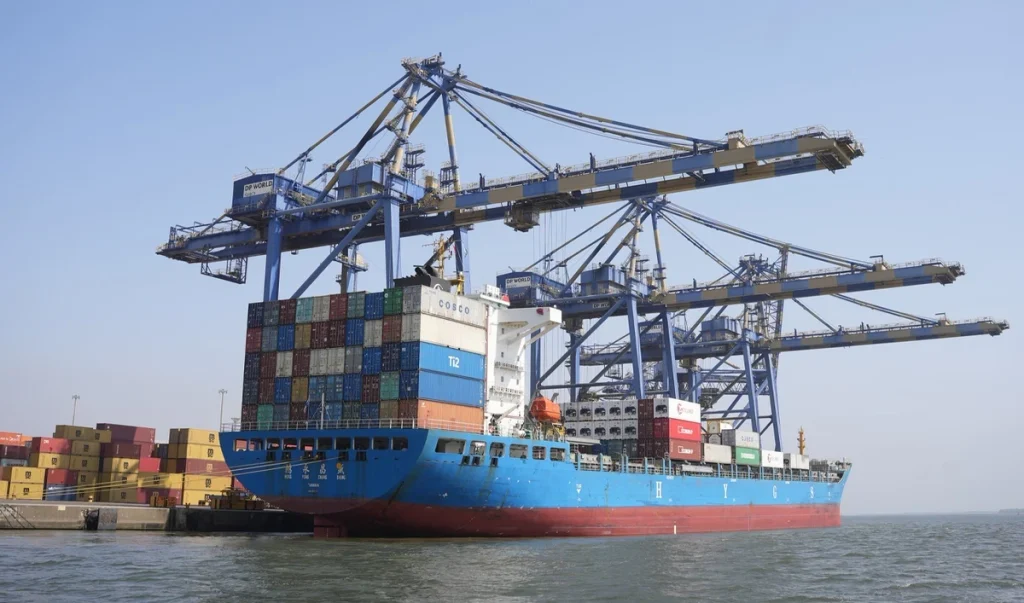
Disruptions around the Strait of Hormuz, increased war-risk insurance premiums, container shortages and changes in shipping routes created additional difficulties for exporters.
Freight charges increased considerably. According to the Commerce Ministry’s presentation, shipping a 40-foot container from Karachi to Qatar’s Hamad Port became substantially more expensive, with rates rising from approximately $1,300-$1,900 to $8,500-$8,800.
Similarly, transportation costs to the UAE’s Jebel Ali Port increased from around $1,200-$2,000 to $5,000-$6,000.
The secretary also informed lawmakers that banks were reluctant to facilitate transactions involving Iran because of concerns about international sanctions and potential penalties.
Some liquefied petroleum gas (LPG) consignments had nevertheless arrived in Pakistan from Iran.
Government Introduces Measures to Support Exporters
To minimise the impact of the disruption, the government introduced several measures to facilitate exports.
These included reducing port handling charges by up to 60 percent, arranging dedicated cargo flights and negotiating lower air freight rates with regional airlines.
Pakistan also explored alternative trade routes and markets to maintain export activity.
Some shipments were redirected towards Southeast Asian and African markets, while exporters also considered alternative routes through China.
The measures were intended to reduce transportation expenses and maintain supplies of agricultural and other perishable products to international buyers.
Afghanistan Trade Suspension Adds Pressure
The committee was also informed that the suspension of bilateral and transit trade with Afghanistan had contributed to an estimated $1 billion decline in Pakistan’s exports.
Jawad Paul said disruptions to trade routes through Afghanistan had affected Pakistan’s access to Central Asian markets.
Exports of agricultural commodities, particularly kinnow and potatoes, had also suffered because of restrictions on traditional trading channels.
Committee member Javed Hanif questioned the government’s decision to suspend trade with Afghanistan.
Responding to the concerns, the commerce secretary maintained that the decision had been taken on national security grounds, adding that national security remained the government’s foremost priority.
Lawmakers Question Pakistan’s Regional Trade Policy
The discussion also covered Pakistan’s trade relationship with India, which has remained officially suspended since 2019.
Javed Hanif pointed out that commercial exchanges with India were nevertheless taking place indirectly through third countries, including Dubai.
He further observed that China and India continued bilateral trade despite their political and diplomatic tensions.
The discussion highlighted the economic implications of trade restrictions and raised questions about the balance between national security considerations and commercial interests.
Pakistan’s exporters are now facing the combined challenges of regional conflict, expensive logistics, financial restrictions and disrupted land routes.
While the narrowing decline in Gulf exports indicates some adjustment by businesses, restoring stable access to traditional markets remains an important challenge for Pakistan’s trade sector.
The developments underline the importance of diversifying export destinations, improving alternative transportation corridors and reducing the country’s vulnerability to regional geopolitical disruptions.See More on Pulse Pakistan