Table of Contents
Full News Article
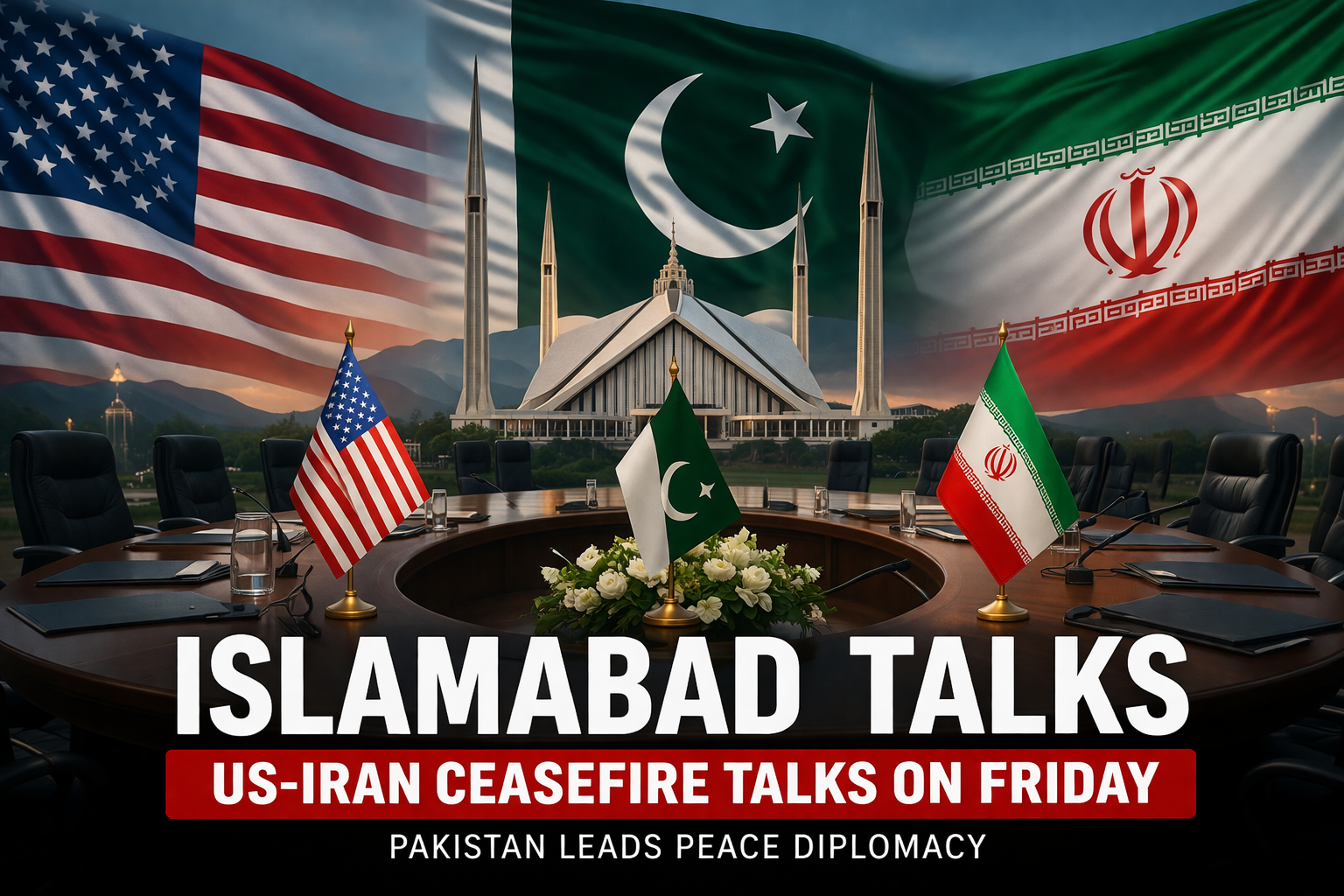
Pakistan Ceasefire Diplomacy has taken center stage as Islamabad prepares to host high-level talks between the United States and Iran following a fragile ceasefire agreement.
Pakistan to Host US-Iran Talks
Prime Minister Shehbaz Sharif has formally invited delegations from both Washington and Tehran to Islamabad for negotiations scheduled on April 10, 2026.
In an official statement, the prime minister expressed gratitude to both nations and emphasized the importance of continuing dialogue to reach a conclusive agreement. He said Pakistan hopes the upcoming “Islamabad Talks” will pave the way for long-term peace.
Iran has confirmed its participation, with President Masoud Pezeshkian conveying his country’s readiness during a direct conversation with the Pakistani leadership.
For more details on Pakistan’s mediation efforts and ongoing US-Iran developments, see more about it on our site Pulse Pakistan.
Ceasefire Sets Stage for Diplomacy
The talks come shortly after the United States and Iran agreed to a two-week ceasefire, announced just before a critical deadline set by US leadership.
The temporary truce has provided a narrow but important window for diplomacy. Pakistan Ceasefire Diplomacy played a key role in facilitating communication during the final hours leading up to the agreement.
Officials believe the ceasefire has reduced immediate risks of escalation, allowing space for structured negotiations.
Pakistan’s Role as Mediator
Pakistan has emerged as a crucial intermediary in recent weeks, quietly passing messages between Tehran and Washington.
Maintaining working relations with both countries, Islamabad used backchannel diplomacy to help bridge gaps during a highly sensitive period. Its geographic proximity to Iran and strategic ties with the United States positioned it uniquely for this role.
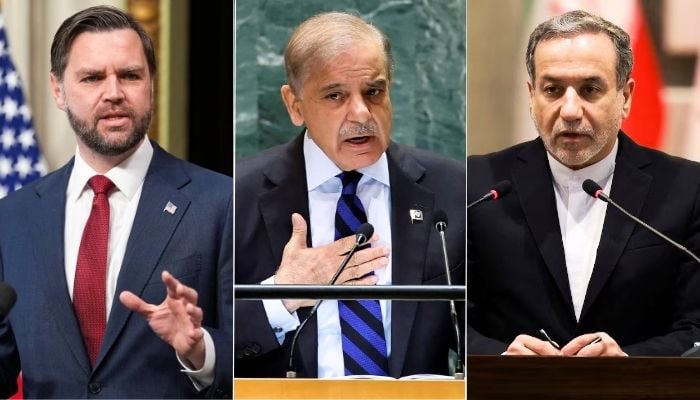
Pakistan Ceasefire Diplomacy has been widely acknowledged as a stabilizing factor in preventing further escalation.
Regional Conflict Background
The broader conflict began earlier this year following coordinated strikes involving the United States and Israel against Iran, triggering retaliatory attacks across the region.
The situation further intensified as Lebanon became involved, with Hezbollah launching operations and Israel responding with military action.
Although the ceasefire is intended to apply broadly, including conflict zones like Lebanon, uncertainties remain, particularly regarding ongoing military operations in certain areas.
Global Support for Peace Efforts
Pakistan’s diplomatic push has been supported by multiple international players. Countries including China, Saudi Arabia, Turkiye, Egypt, and Qatar have contributed to efforts aimed at reducing tensions.
Global leaders have welcomed the ceasefire and expressed cautious optimism about the upcoming talks in Islamabad.
Pakistan has also acknowledged the role of Gulf nations in promoting stability and supporting peaceful dialogue during the crisis.
What to Expect from Islamabad Talks
The upcoming negotiations are expected to focus on transforming the temporary ceasefire into a more durable agreement.
While optimism exists, officials remain cautious due to deep-rooted mistrust between the United States and Iran. The success of the talks will depend on sustained diplomatic engagement and willingness from both sides to compromise.
Pakistan Ceasefire Diplomacy will continue to play a central role as Islamabad positions itself as a key venue for conflict resolution.