Table of Contents
- Pakistan Renews Airspace Restrictions
- Scope of the Ban on Indian Aircraft
- Background of Escalating Tensions
- Military Escalation and Ceasefire
- Impact on the Aviation Industry
- Historical Precedents of Airspace Closures
Full News Article
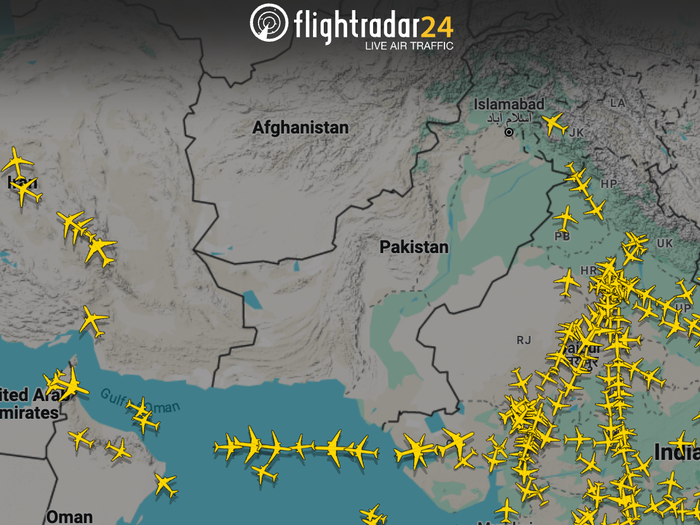
Pakistan airspace ban on Indian aircraft has been extended for another month, with authorities confirming that Indian-owned, operated, and leased aircraft will remain barred from using Pakistani airspace until February 24, 2026.
The extension was announced through a fresh Notice to Airmen (Notam) issued by the Pakistan Airports Authority (PAA) on Tuesday. According to the notification, the restriction will remain effective until 5:00am Pakistan Standard Time on the stated date.
Scope of the Airspace Ban
The ban applies comprehensively to all Indian-registered aircraft, including commercial airlines as well as military flights. Officials stated that the decision represents a continuation of restrictions that have already been in place for the past nine months.
The Pakistan Airports Authority clarified that the renewed Notam does not introduce new conditions but maintains the existing limitations on Indian aviation traffic over Pakistani territory.
Background of Escalating Tensions
Pakistan initially closed its airspace (Airspace Ban) to Indian airlines following a sharp deterioration in bilateral relations. The move came after New Delhi announced the suspension of the Indus Waters Treaty, a decades-old agreement considered a cornerstone of regional stability.
The diplomatic fallout followed heightened tensions after the deadly Pahalgam attack in Indian Illegally Occupied Jammu and Kashmir (IIOJK), which further strained already fragile relations between the two nuclear-armed neighbors.
In response to Pakistan’s decision, India shut its airspace to Pakistani airlines on April 30, escalating the tit-for-tat measures between the two countries. Pakistan later extended its initial restriction on May 23, signaling that normal aviation ties were unlikely to resume in the near term.
Military Escalation and Ceasefire
Tensions peaked during early May when India launched what Pakistan described as unprovoked attacks on multiple Pakistani cities between May 6 and 7. Islamabad responded with a large-scale retaliatory military operation, named Operation Bunyanum Marsoos, targeting several Indian military installations across different regions.
According to Pakistani officials, the armed forces downed seven Indian fighter jets, including three Rafale aircraft, along with dozens of unmanned aerial vehicles. After at least 87 hours of hostilities, the conflict ended on May 10 following a ceasefire agreement brokered by the United States.
Impact on Aviation Industry
While India’s aviation sector has reportedly suffered significant operational and financial losses due to longer flight routes and increased fuel costs, Pakistani aviation has experienced minimal disruption. Analysts note that most Pakistani carriers do not rely heavily on Indian airspace for international routes.
Historical Precedents
This is not the first instance of Pakistan imposing airspace ban on India. Similar measures were enforced during the 1999 Kargil conflict and the 2019 Pulwama crisis. In both cases, Indian airlines faced far greater operational challenges than their Pakistani counterparts.
The latest extension suggests that aviation normalization remains closely tied to broader diplomatic and security developments between the two countries.