
Table of Contents
Pakistan petrol supply secured for March and April has been confirmed by the government, offering reassurance amid ongoing global energy volatility linked to geopolitical tensions.
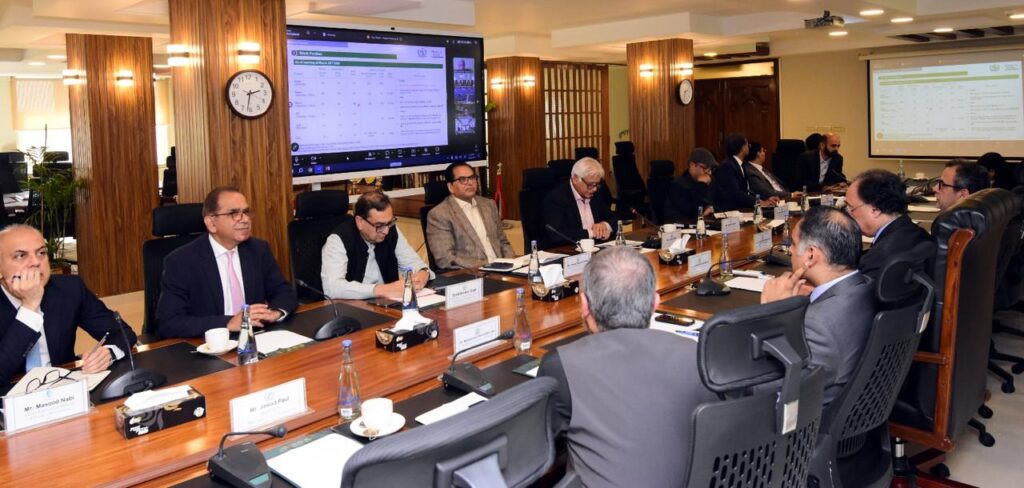
The update came during a high-level meeting chaired by Finance Minister Muhammad Aurangzeb, where officials reviewed the country’s petroleum supply outlook and international market trends.
Government Review of Energy Supply
During the meeting, the committee conducted a comprehensive assessment of Pakistan’s energy supply chain, including crude oil stocks, refined petroleum products, and import arrangements.
Officials reported that overall inventories remain at comfortable levels, supported by steady imports and consistent domestic production. The Pakistan petrol supply secured status reflects proactive planning and coordination across key sectors.
Petrol Cargoes Secured
Authorities confirmed that cargo inflows are proceeding as scheduled, with shipments for both March and April largely secured. Additional cargoes are also being arranged to further strengthen supply buffers.
This forward planning is aimed at preventing shortages and ensuring uninterrupted fuel availability across the country.
Supply Chain Stability
The meeting highlighted that supply lines—from import terminals to refineries, storage facilities, and retail outlets—are functioning smoothly.
Refineries are operating at regular production levels, with efforts underway to maintain optimal throughput. Officials emphasized that maintaining operational efficiency is critical to sustaining the Pakistan petrol supply secured position.
Global Market Impact
The review also focused on developments in global oil and gas markets, particularly in light of the ongoing conflict involving the United States, Israel, and Iran.
Rising geopolitical tensions have disrupted global energy markets, driving up fuel prices and increasing uncertainty. The government is closely monitoring international price trends and their impact on domestic markets.
Officials noted that policy adjustments may be required to manage the gap between global and local fuel prices.
Policy Measures and Fuel Crisis
Earlier this month, the government increased petrol and high-speed diesel prices by Rs55 per litre in response to global market pressures. Additional austerity measures were also introduced to manage fuel consumption.
These steps included reducing fuel allowances for government vehicles, implementing a four-day work week in certain sectors, and encouraging remote work for public sector employees where possible.
Prime Minister Shehbaz Sharif also approved a significant increase in the levy on high-octane fuel, targeting luxury consumption to manage demand.
The government has urged citizens to adopt fuel-saving practices to avoid potential supply disruptions.
Ensuring Energy Security
The Pakistan petrol supply secured outlook reflects broader efforts to enhance energy security through diversified sourcing strategies and international cooperation.
Officials are engaging with partner countries to secure crude oil and refined products, while also improving storage and logistics capabilities.
Finance Minister Aurangzeb stressed the importance of continued vigilance, directing authorities to closely monitor global developments and ensure timely policy responses.
He reaffirmed that uninterrupted fuel availability remains a top government priority, with coordinated efforts aimed at maintaining market stability despite external pressures.