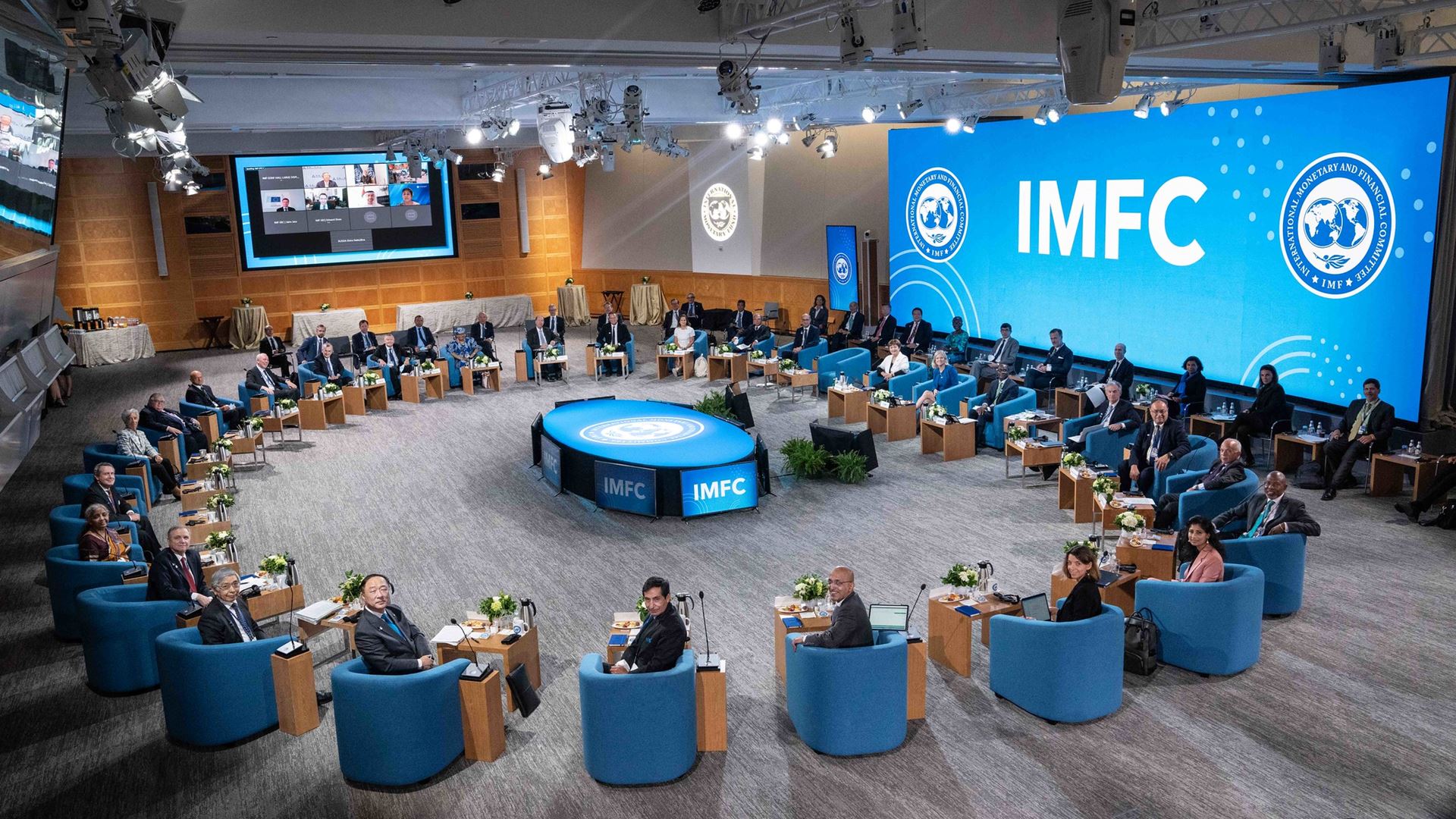
Washington, D.C. – Pakistan is on the brink of finalizing a crucial deal with the International Monetary Fund (IMF) this week, which could unlock a $1.24 billion payment to the cash-strapped country. Finance Minister Muhammad Aurangzeb confirmed that the country is set to sign a staff-level agreement (SLA) for a review of its ongoing loan program with the IMF, a necessary step in receiving the much-needed financial aid.
The staff-level agreement follows a series of discussions between Pakistan and the IMF, which had been ongoing for several weeks. While an IMF mission visited Pakistan last week, no formal agreement was reached at that time. However, Minister Aurangzeb expressed optimism that the deal will be signed within the week, as both parties engaged in productive talks about meeting key quantitative and structural benchmarks set by the Fund.
The IMF program, which was initially approved in September 2024, was designed to stabilize Pakistan’s $370 billion economy, which had been facing severe financial challenges. The country’s inflation had surged to record levels, its currency had rapidly depreciated, and the external deficit had ballooned. The IMF’s extended loan facility and the Resilience and Sustainability Facility, which was part of the 2024 agreement, were key components in stabilizing the economy.
Once the SLA is formalized and approved by the IMF’s executive board, it will trigger the next tranche of funding, providing much-needed financial support to the country as it continues to work on its reform agenda.
Economic Reforms and Market Plans
In addition to the impending IMF deal, Minister Aurangzeb shared that Pakistan is making significant strides in its broader economic reform agenda. A major development is the government’s plan to issue a green Panda bond—the first such bond denominated in Chinese yuan—before the end of the year. This will be followed by a potential international bond sale of at least $1 billion in 2024, as the government seeks to diversify its funding options and attract international investors.
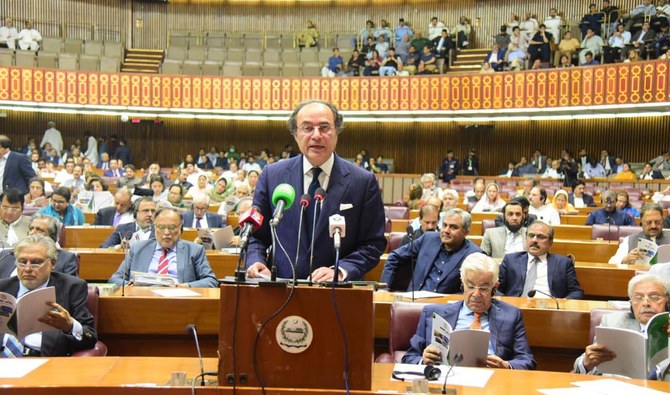
The government is also focusing on a long-delayed privatization program aimed at selling state-owned assets to reduce fiscal deficits and boost investment. Aurangzeb highlighted the sale of Pakistan International Airlines (PIA) and three power distribution companies as key parts of this push. With five domestic business groups showing interest in acquiring PIA, the privatization could mark Pakistan’s first major asset sale in nearly two decades.
“There’s strong interest in PIA, especially after we opened up lucrative European and British routes. This makes it an attractive proposition for potential investors,” said Aurangzeb, who expressed confidence that the transaction would move forward in the coming months.
Diplomatic Engagements at IMF-WBG Meetings
On the sidelines of the IMF and World Bank Group’s Annual Meetings, Aurangzeb held multiple high-level discussions to advance Pakistan’s economic reforms. Notably, he met with Jihad Azour, Director of the IMF’s Middle East and Central Asia Department, where the two reaffirmed their commitment to continuing Pakistan’s reform momentum under the ongoing IMF program.
The finance minister also attended the Commonwealth Finance Ministers’ Meeting, emphasizing the importance of resilience and prosperity within the Commonwealth nations. He further engaged with World Bank officials, including Axel van Trotsenburg, Senior Managing Director, to discuss Pakistan’s development agenda and the critical role of the World Bank in supporting the country’s growth.
Additionally, Aurangzeb met with U.S. Treasury officials, including Assistant Secretary Robert Kaproth and Counselor Jonathan Greenstein, where he outlined Pakistan’s strong economic fundamentals and the ongoing IMF-backed reforms. He also discussed the recent tariff agreement with the U.S. and Pakistan’s new legislation regulating virtual assets.
Looking Ahead
With the IMF deal set to be finalized, Pakistan is navigating a complex economic landscape marked by necessary fiscal reforms, privatization efforts, and increasing international engagement. The successful conclusion of the IMF review and the privatization of key state assets will be critical in Pakistan’s efforts to stabilize its economy and regain investor confidence.
As the country moves forward, Minister Aurangzeb’s focus remains on ensuring continued macroeconomic discipline and unlocking new sources of funding to support long-term development goals.