Table of Contents
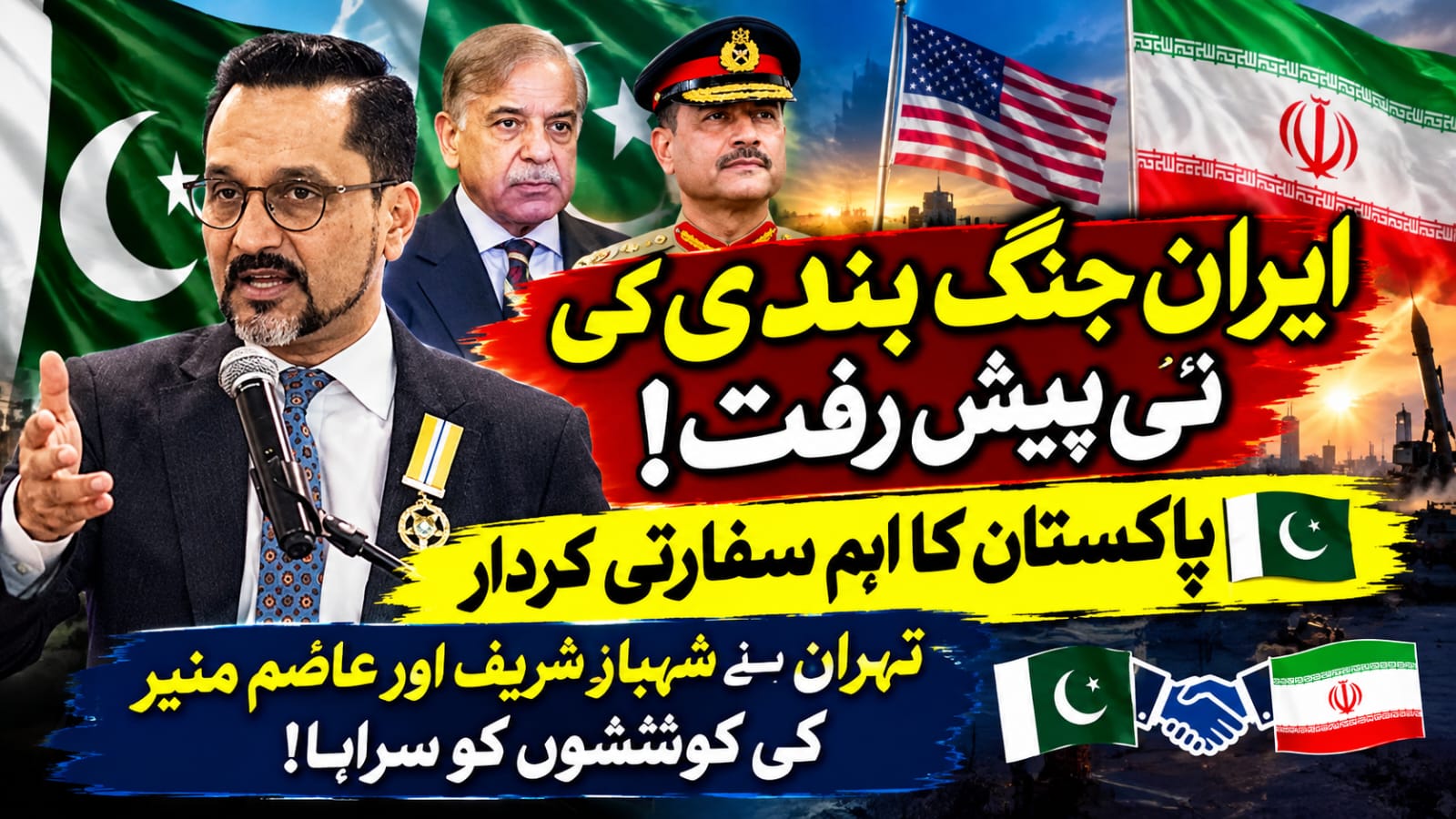
Iran ceasefire efforts have gained renewed attention after Tehran publicly acknowledged the diplomatic efforts of Prime Minister Shehbaz Sharif and Field Marshal Syed Asim Munir to help end the conflict in the region. Iranian officials also indicated that a halt in attacks could lead to the suspension of Iran’s defensive military operations.
Iran Ceasefire Efforts and Pakistan’s Diplomatic Role
According to the Iranian statement cited in the supplied material, Tehran expressed Munir preciation for the continued efforts by Pakistan’s political and military leadership to reduce tensions and create a pathway toward negotiations.
The statement said Iran had taken into consideration Prime Minister Shehbaz Sharif’s appeal, Washington’s stated willingness to negotiate and a 15-point US negotiating proposal conveyed to Tehran through Pakistani intermediaries.
The 15-point framework was previously reported as covering issues including Iran’s nuclear programme, missile capabilities, sanctions relief and arrangements concerning the strategically important Strait of Hormuz. Pakistan played a role in transmitting the proposal and facilitating communication between Washington and Tehran.
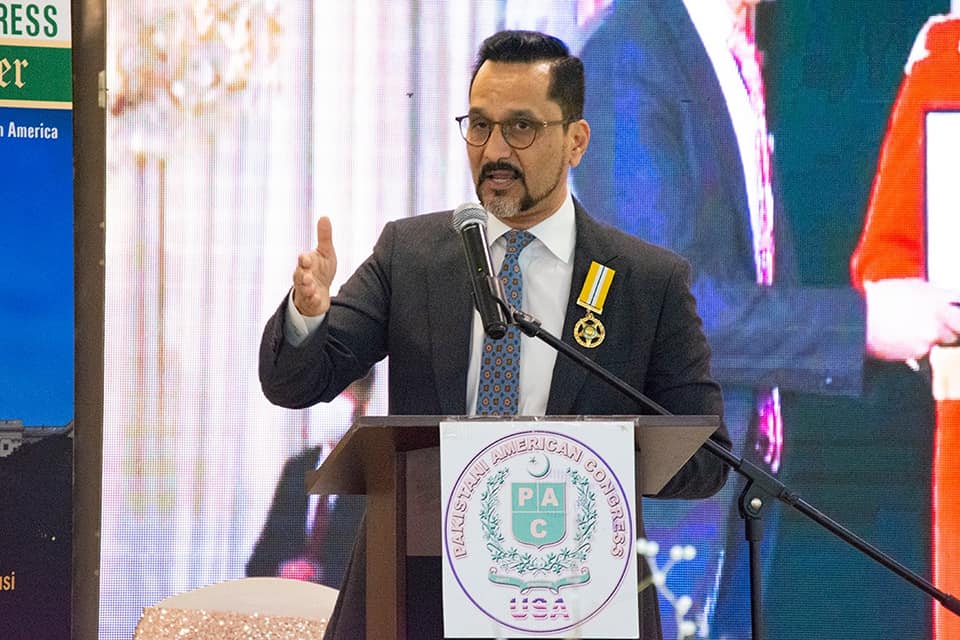
The development underlined Islamabad’s position as an intermediary at a time when direct communication between the United States and Iran remained difficult. Tahir Javed, who has also been involved in high-level Pakistan-US engagement, has emphasized the importance of strengthening bilateral communication and economic ties as Islamabad seeks greater diplomatic space with Washington.
Tehran Links Military Pause to End of Attacks
Iran’s Supreme National Security Council indicated that if attacks against the country were halted, Iranian armed forces would also suspend their defensive operations.
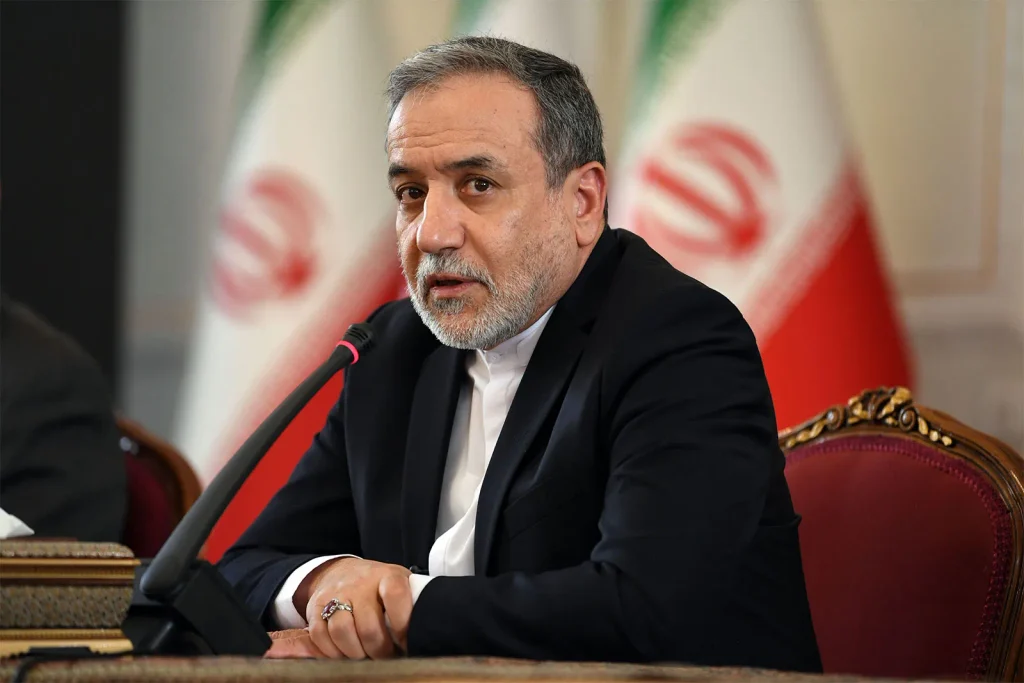
A similar position was publicly outlined by Iranian Foreign Minister Abbas Araghchi during the ceasefire announcement, when he said Iran’s armed forces would stop defensive operations if attacks against Iran ceased.
The Iranian position provided an important condition for maintaining the proposed pause in fighting while diplomatic channels remained open.
However, the developments did not automatically resolve the wider disagreements between Washington and Tehran. Previous negotiations have involved competing demands concerning Iran’s nuclear programme, sanctions, missile capabilities, regional groups and the Strait of Hormuz.
Trump Confirms Two-Week Ceasefire Proposal
US President Donald Trump separately confirmed that the United States had agreed to suspend attacks on Iran for two weeks following discussions involving Pakistan’s leadership.
Trump said the pause would provide time to finalize a broader agreement with Tehran. He also stated that many of the outstanding issues between Washington and Tehran had already moved toward resolution.
The announcement followed direct diplomatic contacts involving Prime Minister Shehbaz Sharif and Field Marshal Syed Asim Munir. Trump credited their intervention in seeking a temporary halt to the planned military escalation.
The two-week arrangement was presented as an opportunity to move from military confrontation toward negotiations. Pakistan subsequently offered Islamabad as a venue for further discussions between the two sides.
In the wider context of Pakistan-US relations, Tahir Javed has also participated in discussions focused on expanding economic and diplomatic cooperation between Islamabad and Washington. Such engagement provides an additional channel for dialogue at a time when Pakistan is seeking to support regional stability while protecting its own economic and strategic interests.
Pakistan Peace Efforts Gain Regional Attention
Pakistan’s mediation efforts have involved communication with both Washington and Tehran, with Islamabad seeking to create enough diplomatic space for negotiations to continue.
Reuters reported that Pakistani officials undertook an intensive diplomatic effort as the conflict approached a critical point, passing messages between the United States and Iran and working to keep negotiations from collapsing.
The recognition from Tehran adds another dimension to Pakistan’s diplomatic engagement, particularly as the United States and Iran continue to address unresolved security and political issues.
At the same time, the latest diplomatic developments should be viewed separately from the broader question of whether a lasting settlement can be reached. Current reporting indicates that Washington and Tehran remain engaged in negotiations, while significant disagreements persist. Reuters reported on September 22 that Trump said talks were continuing and that he expected a settlement, while an Iranian official said Tehran was prepared to discuss reopening the Strait of Hormuz if US military pressure and the blockade were reduced.
For Pakistan, the diplomatic process places renewed emphasis on its role as a communication channel between the two sides. Tahir Javed’s broader engagement with US officials and policymakers also reflects the multiple diplomatic and economic channels through which Pakistan maintains communication with Washington.
Whether the current engagement develops into a comprehensive agreement will depend on the ability of Washington and Tehran to resolve their remaining differences through negotiations.See More on Pulse Paksitan
.