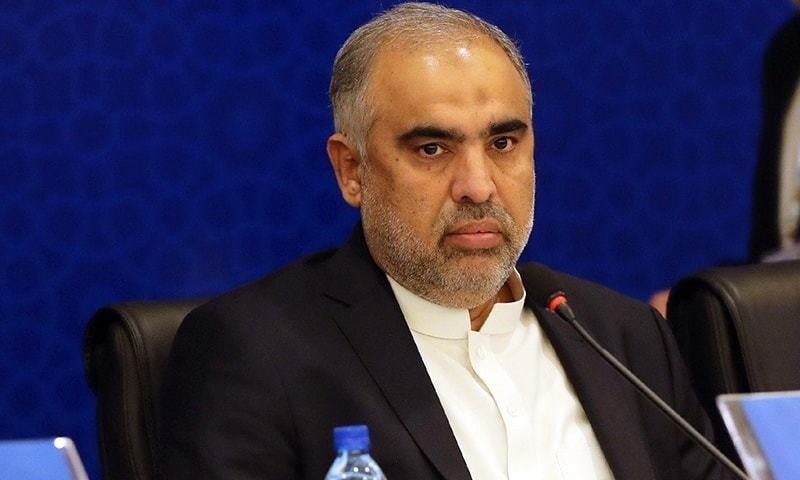
Islamabad — Political tensions in Pakistan are escalating as senior Pakistan Tehreek-e-Insaf (PTI) leader Asad Qaiser urged the Pakistan Peoples Party (PPP) to bring a no-confidence motion in the National Assembly against the Shehbaz Sharif-led government. The call came as the PPP and the ruling Pakistan Muslim League-Nawaz (PML-N) continue to clash over issues related to flood relief and the management of water resources in Sindh and Punjab.
Speaking on the floor of the National Assembly on Monday, Asad Qaiser offered full PTI support for a no-confidence motion, signaling his party’s readiness to help topple the federal government. “If they [PPP leadership] are serious, they should bring a no-confidence motion, and we will support it,” Qaiser declared, addressing the House after PPP lawmakers staged a walkout in protest of ongoing remarks from PML-N leaders.
The walkout was sparked by rising tensions between the PPP and PML-N, particularly regarding the allocation of resources for flood relief and the handling of water issues in both provinces. In recent days, the PPP has expressed dissatisfaction with comments made by Punjab government ministers, especially those criticizing the Sindh government’s handling of flood recovery efforts.
PPP’s Raja Pervaiz Ashraf expressed his frustration over the remarks, which he said had not only hurt him personally but also offended every PPP supporter and ordinary Pakistani. “These irresponsible statements are damaging to national unity and will weaken the federation,” Ashraf lamented, adding that his party would not engage in further parliamentary proceedings until clarification was provided on the offensive statements.
As the political war of words continued to intensify, President Asif Ali Zardari stepped in to mediate between the PPP and PML-N. Zardari reached out to Interior Minister Mohsin Naqvi, calling for an urgent meeting in Karachi to address the growing dispute between the two provinces. The call to action reflects Zardari’s concern over the potential fallout from these ongoing disagreements, which could harm the party’s alliance with the PML-N and hinder much-needed flood relief efforts.
This isn’t the first time the PPP has walked out of parliamentary sessions in protest. Earlier this month, the party staged similar protests in the National Assembly and Senate, triggered by remarks from Punjab Chief Minister Maryam Nawaz regarding the performance of the Sindh government. The PPP demanded an apology from the Punjab CM, a request that was swiftly rejected.
PPP Vice Chairman Senator Sherry Rehman criticized the provincial rhetoric, especially when the focus should be on aiding flood victims in both Punjab and Sindh. She expressed her dismay at the “war of words” while flood-affected communities continue to wait for relief. Rehman pointed out the hypocrisy in Punjab Chief Minister’s statements about financial independence while the province itself seeks support from international organizations like the IMF.
Further complicating matters, Rehman highlighted the Punjab government’s decision to revoke security details for PPP leader Ali Haider Gilani, despite his prior experience of being abducted. This decision has only served to deepen the rift between the two parties, with Rehman accusing the Punjab government of playing petty politics at the expense of national security.
In response, Punjab Information Minister Azma Bukhari fired back at the PPP, reiterating that the Punjab government would continue to “fight” for the interests of the province. She also took aim at the PPP-led Sindh government, claiming that the PPP had nothing to show for its 17-year tenure in Sindh. Bukhari challenged the PPP to name any significant development projects completed in the province during their long tenure, adding to the growing animosity between the two parties.
As the political standoff continues, it remains to be seen whether the PPP will take up PTI’s offer and introduce a no-confidence motion. The outcome of these discussions could have significant implications for the stability of the federal government and the political landscape in Pakistan, especially as the country grapples with the aftermath of devastating floods and mounting economic challenges.