Table of Contents
Sindh Division Rejected: Murad Shah Delivers Strong Warning to National Assembly
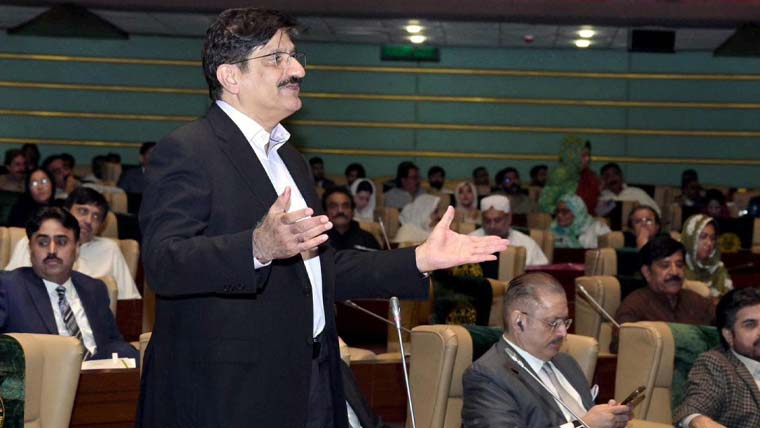
Sindh division remained at the centre of a heated political debate on Thursday as Sindh Chief Minister Murad Ali Shah warned that the province’s future could not be decided outside Sindh and said any attempt to alter its territorial integrity would be unacceptable. The Sindh Assembly subsequently passed a resolution opposing the division of the province.
Sindh Assembly Rejects Division
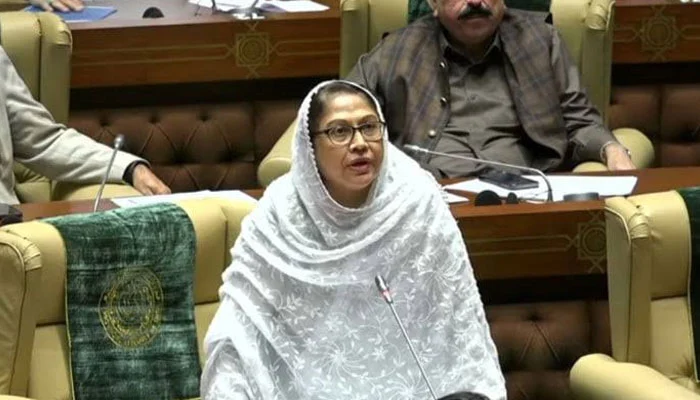
The development came after a four-day debate on a Pakistan Peoples Party (PPP) adjournment motion concerning proposals for new provinces and administrative units.
PPP lawmaker Nisar Ahmed Khuhro presented the resolution, which reaffirmed the assembly’s opposition to altering Sindh’s existing boundaries. The resolution was adopted after lawmakers debated the political and administrative implications of creating new units within the province.
Murad Ali Shah told the house that decisions regarding Sindh should be made by its elected representatives rather than at political gatherings, television programmes or other forums outside the province.
He warned that the National Assembly should also be made aware of Sindh’s position, stressing that the province’s division could not simply become a subject for discussion elsewhere.
Murad Shah Warns Against Sindh Division
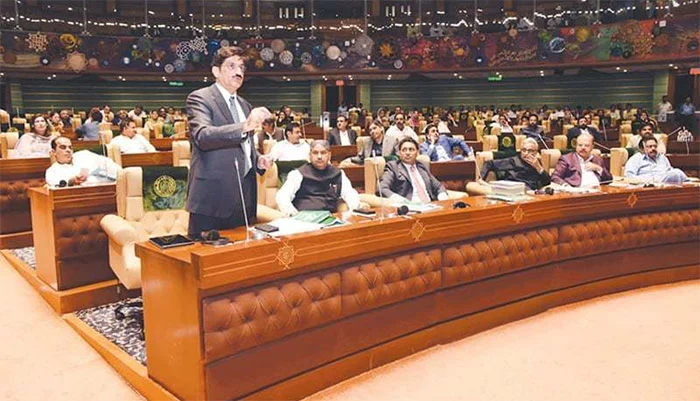
The chief minister argued that the sentiments of Sindh’s people could not be ignored when discussing the province’s political future.
He referred to the historical experience of the One Unit system, saying that the people of Sindh had previously seen their concerns overlooked. He maintained that similar decisions should not be repeated without taking the province’s elected institutions and population into consideration.
Murad also questioned whether wealthy businessmen or individuals outside the provincial political structure should determine the future of Pakistan’s federating units.
His comments come amid renewed national debate over whether Pakistan needs additional provinces to improve governance and bring administrative decision-making closer to citizens.
Debate Over Sindh Division and Administrative Units
The chief minister drew a distinction between administrative reforms and the creation of new provinces.
He said there was room to discuss better administration, including the creation of additional districts and administrative units. However, he argued that such reforms should not be presented as a route towards dividing Sindh.
Murad maintained that if governance was the primary concern, political leaders should focus on strengthening administrative structures and transferring authority to the grassroots.
The issue has gained prominence as several political figures have recently advocated greater decentralisation and stronger administrative units. MQM-P representatives have maintained that their demand concerns administrative empowerment rather than the division of Sindh.
Murad Shah Criticises MQM-P Position
Murad Ali Shah also criticised what he described as contradictory positions within the MQM-P.
He referred to statements supporting administrative units while MQM-P lawmakers maintained that Sindh should not be divided. Shah questioned whether administrative units with separate political and executive structures could eventually lead to the creation of new provinces.
The debate became increasingly tense, with MQM-P lawmakers walking out of the assembly during the proceedings. Opposition representatives, however, maintained that they opposed the division of Sindh and wanted greater decentralisation and local autonomy.
Governance Reforms Instead of Sindh Division
Murad said population alone could not serve as sufficient justification for creating new provinces.
Instead, he argued that administrative requirements, local conditions and effective governance should guide any reforms. He said Sindh could create additional districts or administrative units if required while strengthening local governments.
The chief minister also said his government was working on further legal amendments aimed at empowering local government institutions.
The constitutional dimension adds another layer to the debate. Under Article 239(4), any constitutional amendment that alters the limits of a province requires approval by at least a two-thirds majority of the affected provincial assembly, in addition to the broader parliamentary constitutional process.
The Sindh Assembly’s latest resolution therefore represents a significant political statement against Sindh division, while the broader debate over administrative reform and decentralisation is likely to continue.See More on Pulse Pakisan