Table of Contents
Trump urges Iranians as diplomatic deadlock deepens
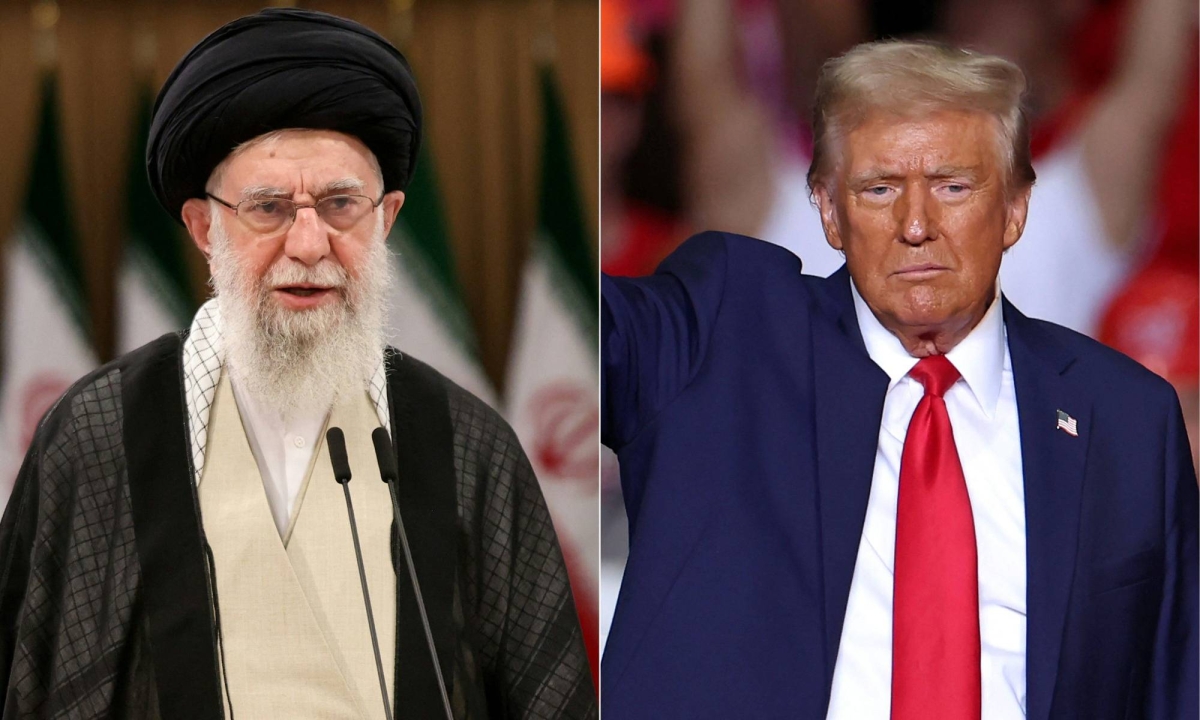
Trump urges Iranians to press their leadership toward negotiations as tensions between Washington and Tehran intensify, warning that time is running out to prevent further military confrontation.
The remarks came as Iran rejected talks conducted under threats, while regional and international actors scrambled to contain a rapidly deteriorating security situation in the Middle East.
Trump Issues Direct Warning and Appeal
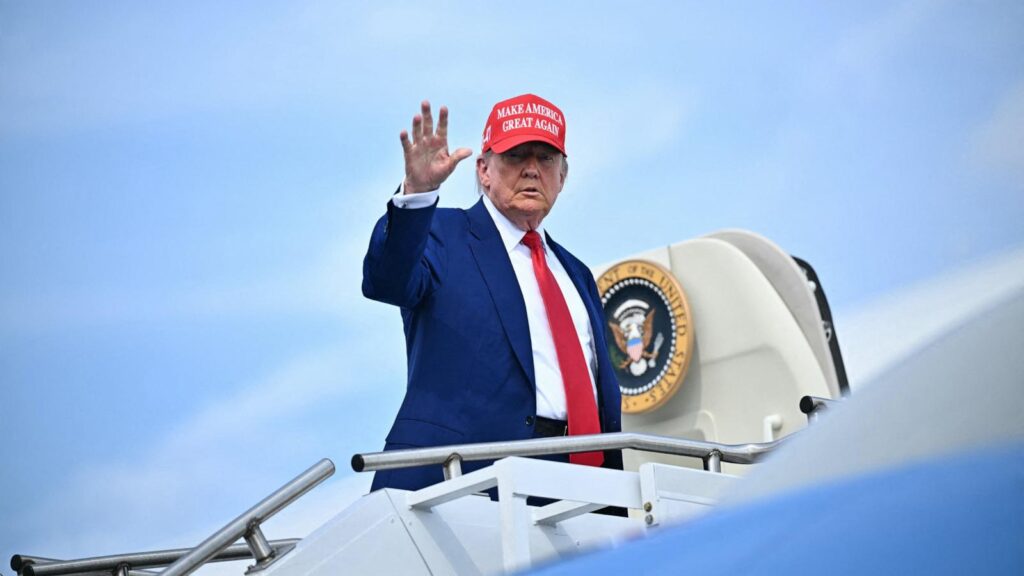
In a post on his Truth Social platform on Wednesday, former US president Donald Trump said Iran must urgently return to negotiations over its nuclear programme, reiterating that Washington would not allow Tehran to acquire nuclear weapons.
Trump referenced US strikes carried out during the recent conflict between Iran and Israel, claiming they caused significant damage to Iranian nuclear infrastructure. He warned that any future military action would be far more severe if Iran failed to engage diplomatically.
“Time is running out,” Trump said, urging swift movement toward what he described as a fair and enforceable agreement.
Iran Rejects Talks Amid Threats
Iranian officials responded firmly, rejecting negotiations framed by military pressure. Foreign Minister Abbas Araghchi stated that diplomacy conducted through threats could not succeed.
He confirmed that Iran has not sought talks with the United States and denied any recent contact with US Middle East envoy Steve Witkoff. Araghchi added that Tehran would only consider negotiations if excessive demands and threats were removed.
Iran’s armed forces chief of staff Habibollah Sayyari warned that any miscalculation by the United States would result in damage on both sides.
US Military Posture in the Middle East
The standoff comes as Washington reinforces its military presence in the region. A US naval strike group led by the aircraft carrier USS Abraham Lincoln has been deployed to Middle Eastern waters, a move Trump previously described as a show of strength.
Inside Iran, state-linked messaging has also intensified. Billboards in Tehran reportedly depict Iranian forces targeting a US aircraft carrier, reflecting rising nationalist sentiment and defiance.
Regional Diplomacy to Ease Escalation
Despite the hardline rhetoric, regional powers have stepped up diplomatic efforts. Iranian President Masoud Pezeshkian recently spoke with Saudi Crown Prince Mohammed bin Salman, followed by outreach to other US allies in the Gulf.
Qatari Prime Minister Sheikh Mohammed bin Abdulrahman Al Thani reiterated Doha’s support for reducing escalation and pursuing peaceful solutions. Egypt also played a mediation role, with Foreign Minister Badr Abdelatty holding talks with both Iranian and US officials.
Turkey’s Foreign Minister Hakan Fidan strongly opposed renewed military action, saying it was wrong to attack Iran or restart a war, and called for the reopening of nuclear negotiations.
Protests and Human Rights Situation in Iran
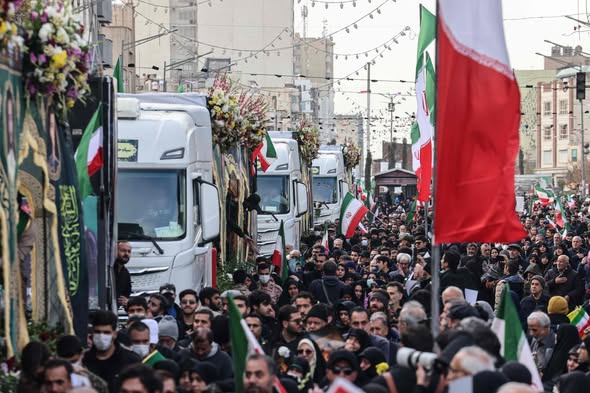
Amid mounting external pressure, Iran continues to grapple with widespread internal unrest as protests persist across multiple regions. The Human Rights Activists News Agency (HRANA) has reported that more than 6,200 people have been killed during the ongoing crackdown, the majority of them protesters, raising grave concerns about the scale of state violence.
According to HRANA, tens of thousands of individuals have also been arrested, with security operations expanding in scope. The agency warned that authorities have reportedly begun searching hospitals for wounded demonstrators in an effort to detain those injured during protests. Human rights organizations have expressed deep concern over the possibility of mass trials and the issuance of death sentences as Iran intensifies judicial actions against dissenters.
The situation further deteriorated with the execution of a man accused of spying for Israel, a move that has intensified international alarm over Iran’s human rights record. Rights groups and foreign governments warn that such actions signal a hardening stance by Tehran and could lead to further violations amid an already volatile crisis.