Abu Dhabi, UAE – The United Arab Emirates has announced a voluntary withdrawal of its counterterrorism forces from Yemen, citing growing risks to personnel and evolving regional developments, according to the UAE defence ministry and state news agency WAM.
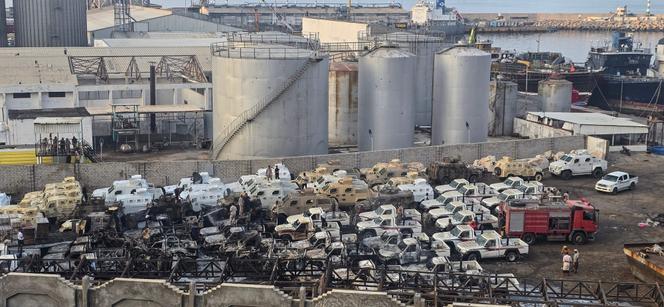
The ministry confirmed that the UAE’s presence had been limited to specialised personnel collaborating with international partners to combat terrorism. The decision follows a recent Saudi-led coalition airstrike on the southern Yemeni port of Mukalla, targeting shipments intended for UAE-backed forces without causing casualties.
Rising Friction with Saudi Arabia
Tensions between Abu Dhabi and Riyadh have intensified after Saudi Arabia demanded the UAE’s immediate exit from Yemen within 24 hours. The strike on Mukalla, aimed at a dock unloading cargo, came amid the Southern Transitional Council’s (STC) sudden offensive against Saudi-supported Yemeni government troops. The STC, which controls large areas in southern Yemen, has sought self-rule despite warnings from Saudi authorities, marking a shift in the region’s longstanding stalemate.
Yemen’s presidential council head, Rashad al-Alimi, also cancelled a defence pact with the UAE, accusing the country of supporting the STC in undermining the central government. In response, the UAE expressed disappointment over Saudi Arabia’s statements and clarified that the targeted shipment contained vehicles for UAE operations, not weapons destined for Yemeni factions.
Strategic and Regional Implications
The Mukalla strike occurred without casualties or collateral damage, though footage from Yemen’s state TV showed smoke rising and damaged vehicles at the port. Meanwhile, Yemen has imposed a 72-hour no-fly zone and blockade on sea and land ports, limiting movements to authorised exemptions.
The conflict in Yemen remains divided: the STC controls the south under a Saudi-backed alliance, while the Houthis hold the northern regions, including the capital, Sanaa. Analysts note that ongoing UAE-Saudi tensions could influence broader regional stability and oil output decisions within OPEC+, where both nations are key members.
International Diplomatic Engagements
The United States has taken note of the rising tensions, with Secretary of State Marco Rubio speaking to Saudi Foreign Minister Prince Faisal bin Farhan Al Saud about regional security and Yemen’s instability. Both Washington and Riyadh emphasised the need for coordination to prevent further escalation.
The UAE’s withdrawal marks a pivotal moment in Yemen’s complex civil war, highlighting the fragile alliances and deepening rifts among coalition partners, with potential repercussions for regional diplomacy and energy markets.