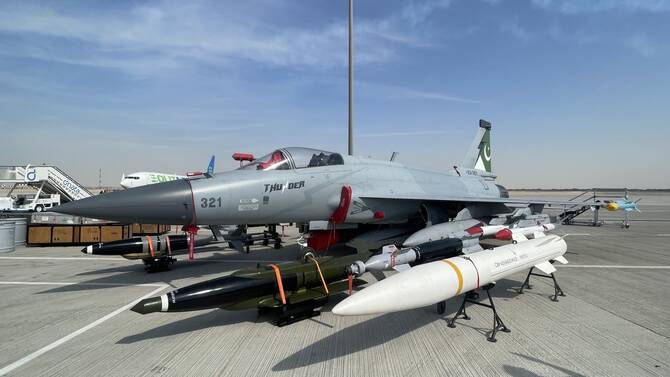
Pakistan Defence Industry Gains Traction as Indonesia Eyes Fighter Jets and Drones
Pakistan’s defence capabilities are drawing increasing international attention as Indonesia explores a potential procurement deal for JF-17 Thunder fighter jets and Shahpar drones. The discussions highlight rising global confidence in Pakistan’s military technology, driven by its cost-effective and combat-proven platforms. They also reflect Pakistan’s broader push to position itself as a competitive regional defence exporter and a credible alternative to traditional arms suppliers.
Table of Contents
- Indonesia-Pakistan Defence Talks
- Details of Proposed Jet and Drone Sales
- Indonesia’s Air Force Modernisation
- Pakistan’s Military Achievements and Exports
- Regional Implications and Strategic Partnerships
Indonesia-Pakistan Defence Talks
Indonesia’s Defence Minister, Sjafrie Sjamsoeddin, met with Pakistan Air Force Chief Marshal Zaheer Ahmed Baber Sidhu in Islamabad to discuss broad defence cooperation, including strategic dialogue, institutional collaboration, and long-term opportunities.
Brigadier General Rico Ricardo Sirait of Indonesia confirmed the talks but clarified that no final agreements had been reached. Security sources indicate the discussions are advanced, with potential deals including more than 40 JF-17 jets and Pakistan’s Shahpar drones, used for surveillance and precision strikes.
Details of Proposed JF-17 and Drone Sales
The proposed cooperation extends beyond aircraft procurement. Reports indicate that Indonesia could receive training programs for junior, mid-level, and senior air force personnel, along with engineering support for operational readiness. Retired Air Marshal Asim Suleiman, who monitors regional air force deals, emphasised that Pakistan is positioned to fulfil substantial defence contracts in Southeast Asia.
Indonesia’s Air Force Modernisation
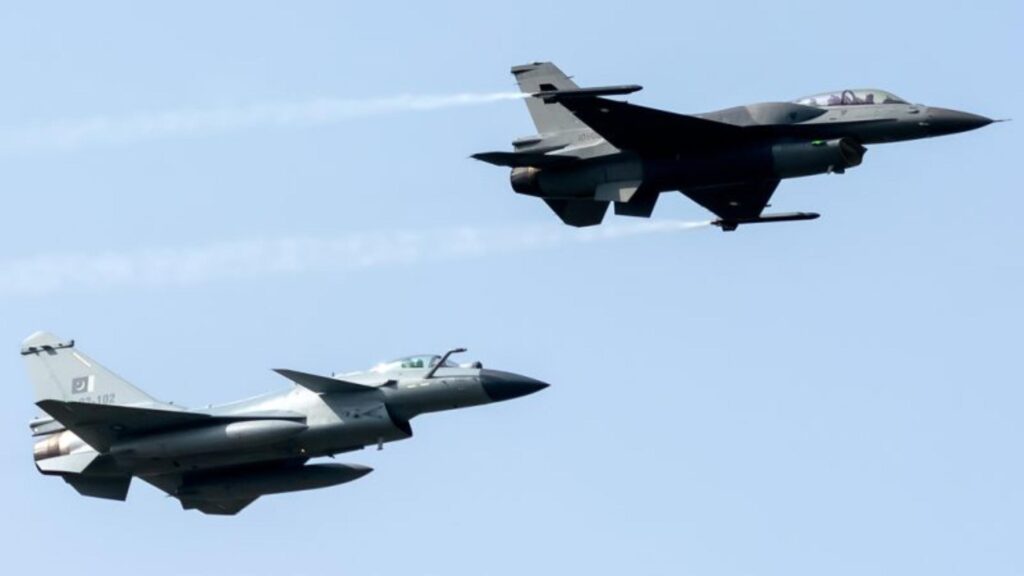
Indonesia is modernising its ageing air force to strengthen defence and regional deterrence. It has acquired 42 Rafale jets from France and 48 KAAN fighters from Turkey, while also exploring Chinese J-10 and US F-15EX aircraft. A potential deal for Pakistani JF-17 jets and Shahpar drones would further diversify its fleet and enhance combat and surveillance capabilities.
Pakistan’s Military Achievements and Exports
Pakistan’s defence sector has gained international attention, particularly following last year’s brief but intense conflict with India. During the skirmish, Pakistan’s JF-17 jets reportedly achieved notable successes, including downing multiple Indian aircraft, among them Rafale fighters, and reportedly neutralising an S-400 air defence system using hypersonic missiles. These operational achievements have significantly bolstered the global perception of Pakistan’s military capabilities.
The country has actively showcased its defence products to international markets. At the Dubai Airshow in 2025, Pakistan signed a memorandum of understanding with a foreign partner for JF-17 procurement, highlighting growing confidence in its indigenous platforms. Other nations, including Iraq and Bangladesh, have expressed interest in acquiring JF-17 jets, signaling increasing international demand and the expanding reputation of Pakistan’s defence technology.
Regional Implications and Strategic Partnerships
The potential deal with Indonesia is indicative of Pakistan’s broader ambition to expand its defence exports and cultivate stronger bilateral relations across Asia. By supplying JF-17 fighter jets and Shahpar drones, Pakistan positions itself as a credible and cost-effective alternative to traditional defence suppliers, challenging established players in the global arms market. This move not only strengthens strategic ties with Southeast Asian nations but also opens avenues for long-term cooperation in technology transfer, training, and joint exercises.
Industry analysts suggest that if the deal materialises, Pakistan’s defence sector could witness substantial revenue growth while further cementing its role as a key provider of advanced military technology in the region. For Indonesia, integrating these platforms could enhance operational readiness, offer tactical versatility, and deepen its strategic partnerships with emerging defence exporters in Asia, reflecting a broader trend of regional collaboration in security and technology development.