Table of Contents
Full News Article
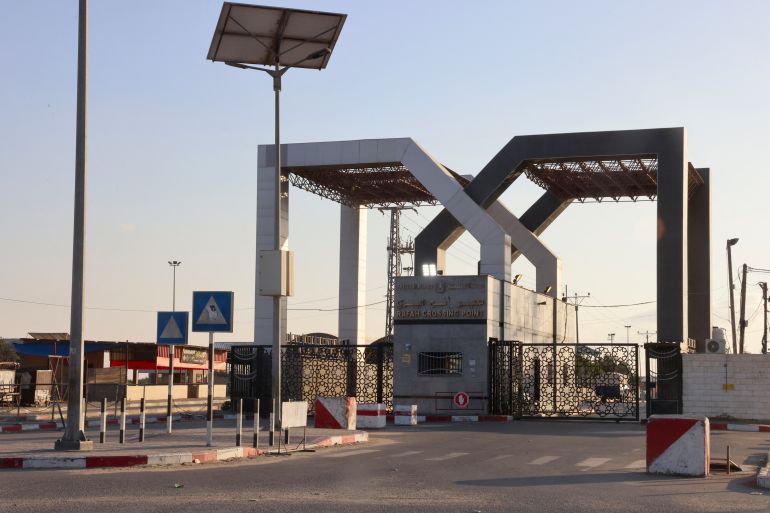
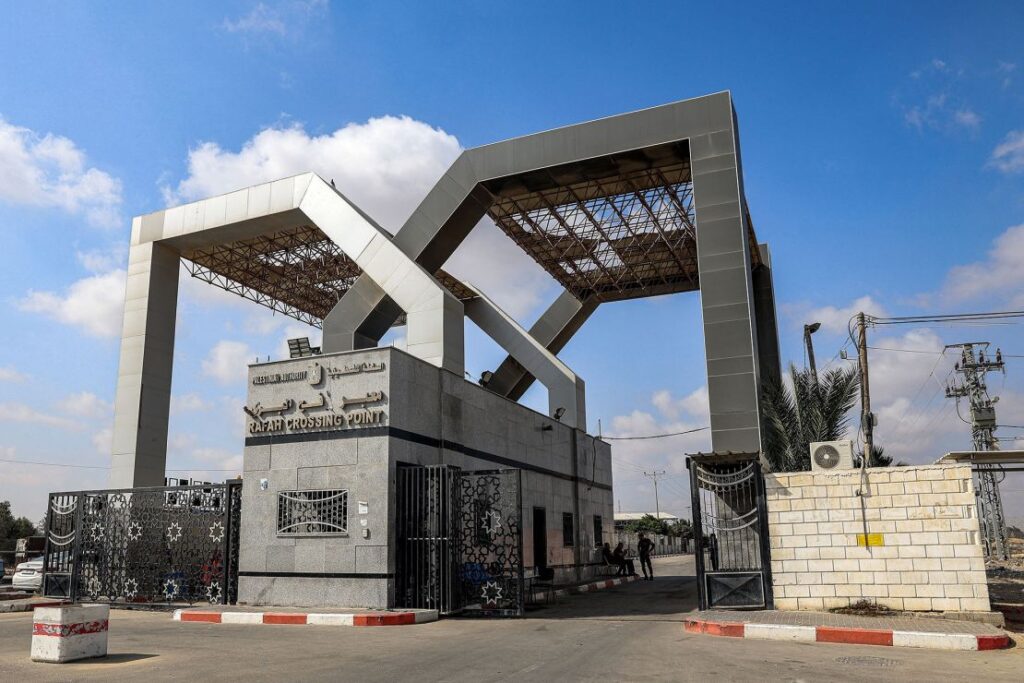
Palestinians return to Gaza continued this week as a second group entered the enclave through the Rafah border crossing, following a partial reopening of the Gaza–Egypt gateway, according to reports from Egyptian state media. The development marks another cautious step in easing restrictions at Gaza’s only border crossing not controlled by Israel.
The arrivals came a day after Israeli authorities permitted limited operations at Rafah, ending months of near-total closure that had severely restricted civilian movement and access to essential services.
Limited Reopening of Rafah Crossing for Palestinians
Egyptian media confirmed that the second group crossed into Gaza under tightly controlled conditions, reflecting the gradual and restricted nature of the reopening. Israeli media reports indicated that approximately 50 Palestinians were scheduled to enter Gaza on Tuesday as part of the arrangement.
The reopening follows sustained international pressure to allow humanitarian access and civilian movement amid the ongoing crisis in the Gaza Strip.
Medical Departures to Egypt
While inbound movement remains limited, outbound travel for medical purposes has been given slightly broader approval. Israeli sources said around 150 Palestinian patients, along with their companions, are expected to leave Gaza through Rafah to receive medical treatment in Egypt.
For months, critically ill patients have faced delays or denials of permission to travel, worsening an already fragile healthcare situation in the enclave. The latest development offers a narrow but significant lifeline for those requiring urgent treatment unavailable inside Gaza.
Source: CNN
Humanitarian and Political Context
The Rafah crossing has long served as a critical humanitarian artery for Gaza, particularly during periods when other crossings are closed or restricted. Its reopening, even in a limited capacity, carries symbolic and practical significance for Palestinians seeking mobility, medical care, and reunification with family members.
However, the scale of movement remains small compared to the needs on the ground. Aid groups and international observers have repeatedly stressed that restricted crossings cannot adequately address Gaza’s humanitarian emergency, calling for sustained and expanded access.
Ongoing Restrictions
Despite the partial reopening, movement through Rafah remains subject to tight controls and daily quotas, with no clear timeline for a full resumption of normal operations. Israeli officials have framed the reopening as a security-linked measure rather than a permanent policy shift.
Egypt continues to coordinate closely with regional and international stakeholders as the situation evolves, balancing humanitarian considerations with broader security concerns along its border.
As Palestinians return to Gaza in limited numbers and patients depart for treatment abroad, the Rafah crossing once again stands at the center of regional diplomacy, humanitarian relief efforts, and the daily realities of life in the besieged territory.