Table of Contents
Full News Article
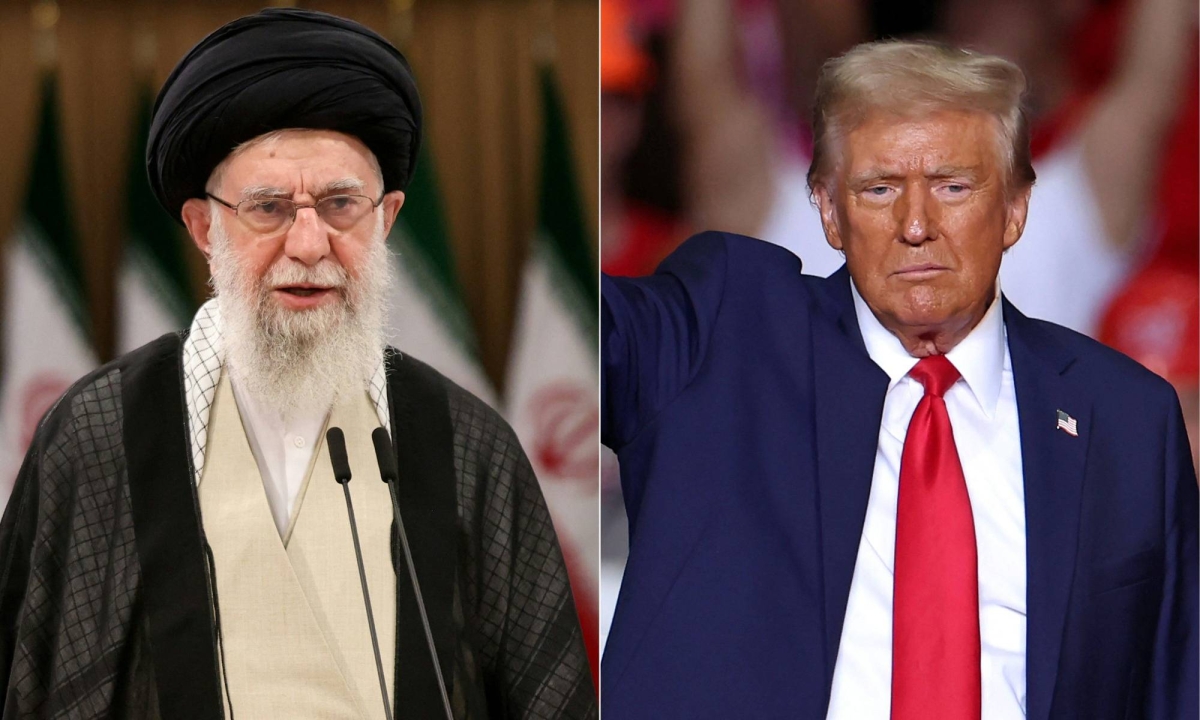
U.S.-Iran talks are facing renewed uncertainty as Washington pushes to expand negotiations beyond Tehran’s nuclear programme, a move firmly rejected by Iranian officials who insist that missile and regional security issues are not open for discussion.
Senior US officials say any meaningful diplomatic engagement must go beyond uranium enrichment and include Iran’s ballistic missile capabilities, its regional alliances, and its domestic human rights record. Tehran, however, has drawn a clear line, warning that widening the agenda could derail talks entirely.
Deepening rift over negotiation scope
US Secretary of State Marco Rubio said Washington remains open to dialogue but will not accept narrowly defined negotiations focused only on nuclear matters. According to Rubio, Iran’s missile arsenal and regional activities are inseparable from broader security concerns in the Middle East.
Iranian officials responded swiftly, stressing that their missile programme is a sovereign defense issue and “off the table.” A senior Iranian source said Tehran is willing to engage only on nuclear-related sanctions relief and safeguards, adding that US pressure to broaden the agenda risks collapsing diplomatic efforts before they begin.
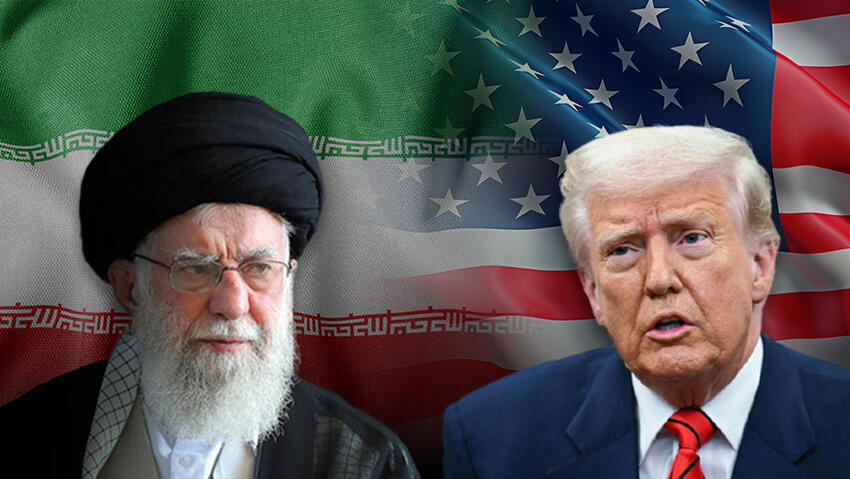
Image Source: “ynetnews“
US Iran talks may shift to Oman
The planned meeting, initially expected to take place in Turkiye, is now likely to be held in Oman, according to regional and Gulf officials as well as Iranian state-linked media. Oman has previously hosted indirect US Iran talks and is viewed by Tehran as neutral ground.
However, the location remains contested. Axios reported that US officials rejected Iranian requests to change both the venue and format of the talks, quoting a senior official as saying Washington offered a “take it or leave it” position. Iran, sources say, prefers Oman specifically to prevent discussions from expanding beyond nuclear issues.
Military pressure shadows diplomacy
The fragile diplomatic process is unfolding against a backdrop of heightened military tension. US President Donald Trump has repeatedly warned that failure to reach an agreement could lead to military action, while additional US naval assets have been deployed to the Gulf.
Last summer’s US and Israeli strikes on Iranian nuclear facilities, followed by Iranian missile and drone attacks on Israel, have left the region on edge. Oil prices have already risen amid fears of escalation, raising concerns among Gulf states about economic and security fallout.
Adding to tensions this week, the US military reported shooting down an Iranian drone near an aircraft carrier in the Arabian Sea. Separately, Iranian Revolutionary Guard vessels allegedly threatened a US-flagged tanker in the Strait of Hormuz, underscoring the volatility of the situation.
Nuclear deal stakes remain high
At the heart of the standoff is Iran’s hope that renewed nuclear talks could ease Western sanctions that have battered its economy and fueled domestic unrest. Iranian leaders are reportedly concerned that a US strike could trigger widespread protests and weaken the government’s grip on power.
US demands reportedly include a halt to uranium enrichment, limits on Iran’s missile programme, and an end to Tehran’s support for regional allies. Iranian officials say these conditions violate national sovereignty, though some have signaled limited flexibility on enrichment levels if sanctions relief is offered.
For now, the future of the US–Iran talks remains unclear, as diplomatic efforts continue alongside rising military threats, leaving regional stability and broader international security hanging in a very delicate and uncertain balance.