Table of Contents
Makkah Defence Pact: Three Nations to Decide Response to Any Attack, Says DG ISPR
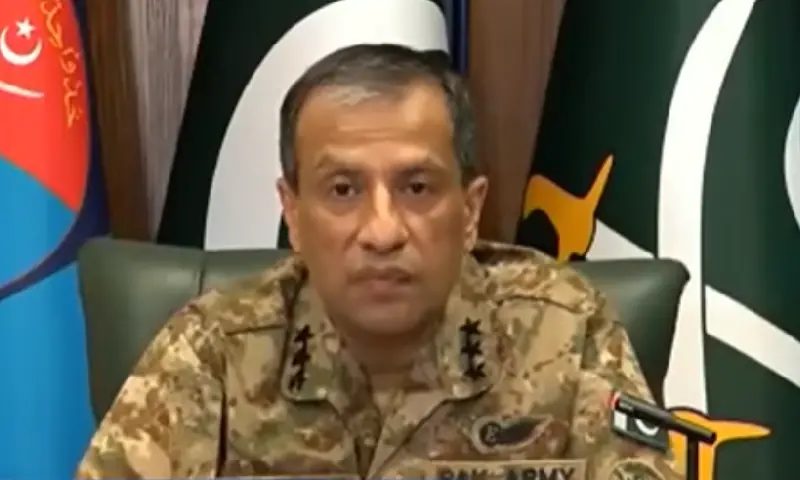
Makkah Defence Pact operational details and the response to any attack will be determined by Pakistan, Saudi Arabia and Türkiye, Director General Inter-Services Public Relations (DG ISPR) Lieutenant General Ahmed Sharif Chaudhry has said.
Speaking to Al Arabiya English, the military spokesperson said details concerning military operations and security arrangements are classified and are not normally disclosed publicly. He explained that questions about how the agreement would be implemented in a particular situation would have to be addressed by the leadership of the three participating countries.
Agreement Described as Defensive
Lieutenant General Chaudhry stressed that the Makkah Defence Pact is defensive rather than offensive. He said the arrangement is intended to strengthen collective deterrence and defence among Pakistan, Saudi Arabia and Türkiye, while carrying no regional or aggressive ambitions.
The agreement was signed in Makkah on August 7, 2026. Its publicly announced provisions state that an armed attack against one of the three member states would be regarded as an attack against all. Pakistan’s Foreign Ministry has also described the accord as defensive and consistent with the right of individual and collective self-defence under Article 51 of the UN Charter.
The DG ISPR said operational mechanisms would remain confidential, noting that defence agreements generally do not disclose the details of how military commitments would be implemented.
He also rejected the characterization of the arrangement as a formal military bloc for Muslim countries, saying its stated objective is regional peace, stability and collective deterrence.
Future Expansion and China Relations
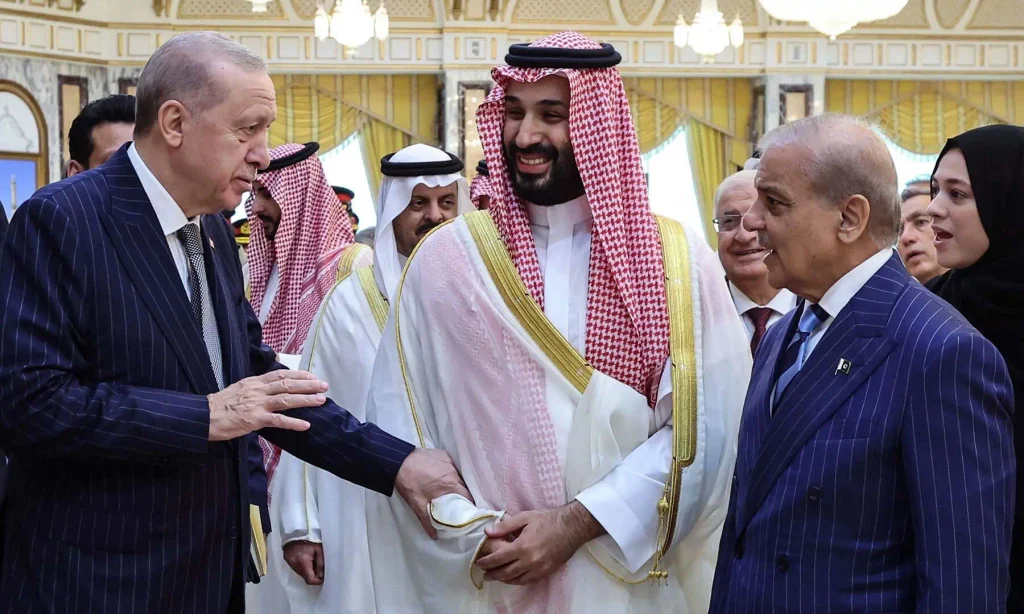
The three countries may eventually consider additional partners, but Lieutenant General Chaudhry said any decision on expansion would rest with their respective leaderships.
A strategic political and defence committee established under the agreement met in Istanbul on August 31. The three countries agreed to institutionalise cooperation and establish a secretariat, initially to be headed by a Pakistani secretary general for three years.
The DG ISPR also addressed questions about Pakistan’s relationship with China. He said the defence arrangement does not compete with Pakistan’s existing relationships and described Islamabad’s ties with Saudi Arabia and Türkiye as longstanding and historically rooted.
Pakistan’s Foreign Ministry has similarly stated that the accord is not directed against any country and is designed to reinforce collective deterrence and regional stability.
Pakistan’s Right to Self-Defence
Lieutenant General Chaudhry referred to Article 51 of the UN Charter, which recognises the inherent right of states to individual and collective self-defence.
He said protecting citizens and national sovereignty remains the responsibility of the state and government, adding that Pakistan would take whatever measures it considers necessary for national defence.
He also said Pakistan’s military capabilities are intended for defence rather than an offensive strategy. Referring to India’s military spending, he maintained that Pakistan’s development of defence capabilities should not automatically be interpreted as participation in an arms race.
Afghanistan and Cross-Border Terrorism
The DG ISPR also raised Pakistan’s security concerns regarding Afghanistan. He said Islamabad wants to prevent militant activity from being planned or supported from Afghan territory.
He referred to United Nations reporting on militant organisations operating in Afghanistan and argued that Afghanistan should not become a source of terrorism affecting other countries. These statements reflect Pakistan’s longstanding concerns about cross-border militancy and attacks attributed by Islamabad to groups operating from Afghan territory.
Pakistan’s Counterterrorism Operations
Lieutenant General Chaudhry said Pakistan has remained engaged in counterterrorism operations for more than two decades, with security forces, police, intelligence agencies and civilians contributing to the campaign.
He claimed that Pakistani security forces had conducted more than 42,000 intelligence-based operations during the year and that more than 2,100 militants had been killed. These figures were presented by the DG ISPR and have not been independently verified in the available reporting.
He said operations against militant threats would continue and maintained that Pakistan would not compromise on efforts to protect its citizens and territory.
The comments come as the Makkah Defence Pact faces heightened attention over how its collective-defence provision would operate in an actual crisis. Earlier this month, Pakistan’s Foreign Office said no immediate military response had been discussed under the pact following attacks on Saudi Arabia, while reiterating Islamabad’s commitment to the agreement.
The latest remarks therefore clarify one central point: while the pact establishes a framework for collective defence, the specific operational response to an attack remains a matter for the governments and military leaderships of Pakistan, Saudi Arabia and Türkiye.See More on Pulse Pakistan