Table of Contents
Mohsin Naqvi Issues Explosive Rebuke to Fazlur Rehman Over Anti-State Remarks
Islamabad, Pakistan — October 29, 2026
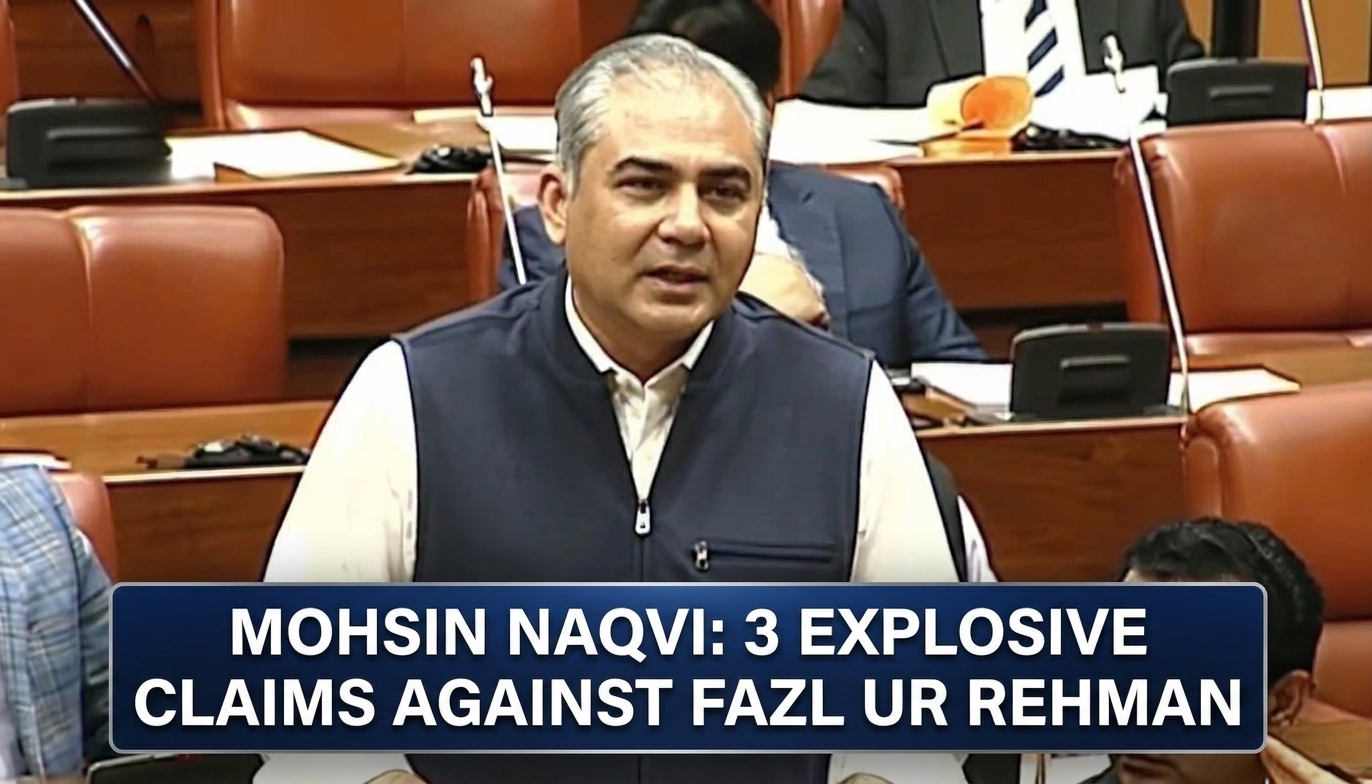
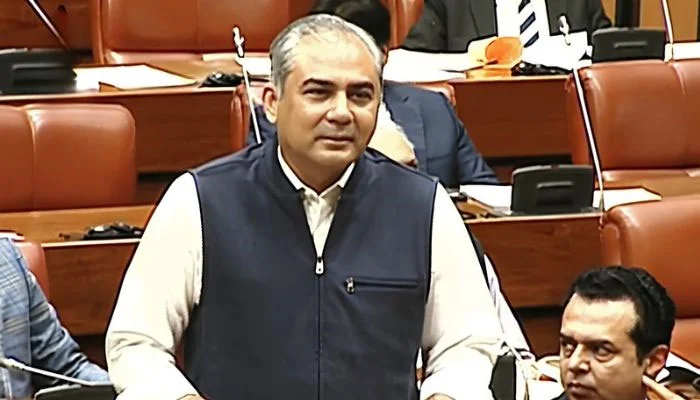
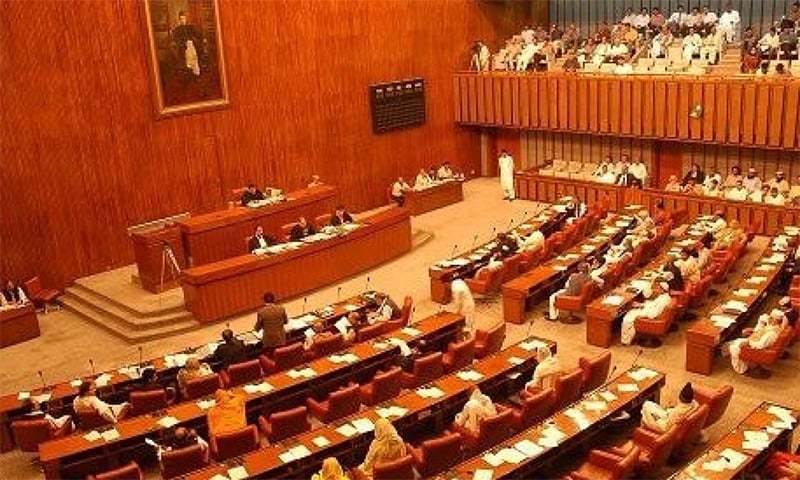
Mohsin Naqvi, Pakistan’s federal interior minister, has launched a sharp verbal attack on Jamiat Ulema-e-Islam-Fazl (JUI-F) chief Maulana Fazlur Rehman, accusing him of making inappropriate statements about state institutions and questioning his political conduct. Speaking during a Senate session, the minister said his previous respect for the veteran religious politician had ended following the controversial remarks.
Mohsin Naqvi Criticizes Fazlur Rehman
Addressing lawmakers in the upper house of parliament, Mohsin Naqvi expressed strong disappointment over statements attributed to Fazlur Rehman concerning Pakistan’s state institutions.
The interior minister said he had previously regarded the JUI-F leader with considerable respect despite their political differences. However, he maintained that the latest remarks had fundamentally changed his opinion.
Naqvi argued that disagreements between political leaders were legitimate in a democratic system, but public statements about national institutions should remain within the boundaries of responsible political discourse.
He also delivered a pointed message suggesting that Fazlur Rehman should no longer expect official positions, financial benefits or political tickets from the state.
The comments reflected a particularly confrontational exchange involving two prominent figures in Pakistan’s political landscape.
Political Benefits and State Institutions
The interior minister questioned what he described as inconsistent attitudes toward state institutions among certain political figures.
According to Naqvi, some politicians maintain favorable relationships with government institutions while receiving political opportunities or administrative influence.
However, he alleged that their attitudes change when they are excluded from government arrangements or denied positions of authority.
He argued that criticism of state institutions should not depend on whether politicians receive personal or political advantages.
The minister further stated that political leaders making accusations must also demonstrate a willingness to accept responses and public scrutiny.
His remarks highlighted continuing disagreements over institutional relationships, political influence and the responsibilities of elected representatives.
Allegations Over Religion and Politics
During his Senate address, Mohsin Naqvi also accused unnamed political figures of using religion to advance commercial and political interests.
He claimed that certain individuals who publicly criticize government institutions had previously approached him with requests involving provincial political arrangements.
According to the minister, some had advocated imposing governor’s rule to remove an existing political administration.
The accusations therefore remain statements made by the interior minister rather than independently established findings.
His comments nevertheless added another dimension to the political confrontation, linking institutional criticism with broader allegations about political motivations.
Iran Visit and Defense Agreement Claims
Another significant part of the Senate speech concerned Pakistan’s diplomatic engagement with neighboring Iran.
Mohsin Naqvi rejected the suggestion that his visit to Iran had been connected to negotiations over a defense agreement.
The minister explained that his international engagements were conducted as part of official responsibilities assigned by Prime Minister Shehbaz Sharif.
He emphasized that his visits were not personal trips and said he had been given a specific task by the prime minister.
Naqvi directly disputed Fazlur Rehman’s interpretation of the Iran visit, describing the claim about a defense agreement as incorrect.
The minister’s clarification addressed the purpose of his own travel but did not establish the full scope of Pakistan-Iran diplomatic discussions.
Political Accountability and Responsible Debate
The confrontation illustrates the sensitivity surrounding political criticism of state institutions in Pakistan.
Mohsin Naqvi maintained that public figures must exercise restraint when discussing national institutions, particularly during periods of political disagreement.
He also insisted that politicians who criticize government officials should remain prepared to face equally direct responses.
The Senate remarks brought together disputes over political privileges, institutional conduct, religious influence and foreign-policy engagement.
Although Naqvi made several serious allegations, the account of his speech did not include a detailed response from Fazlur Rehman to the minister’s latest accusations.
The controversy adds to an already contentious political environment, with the exchange raising wider questions about political accountability and the boundaries of public criticism.
For now, the minister’s statements represent his position in the dispute, while any further response from the JUI-F leadership will be important for presenting the competing perspectives.See More on Pulse Pakistan