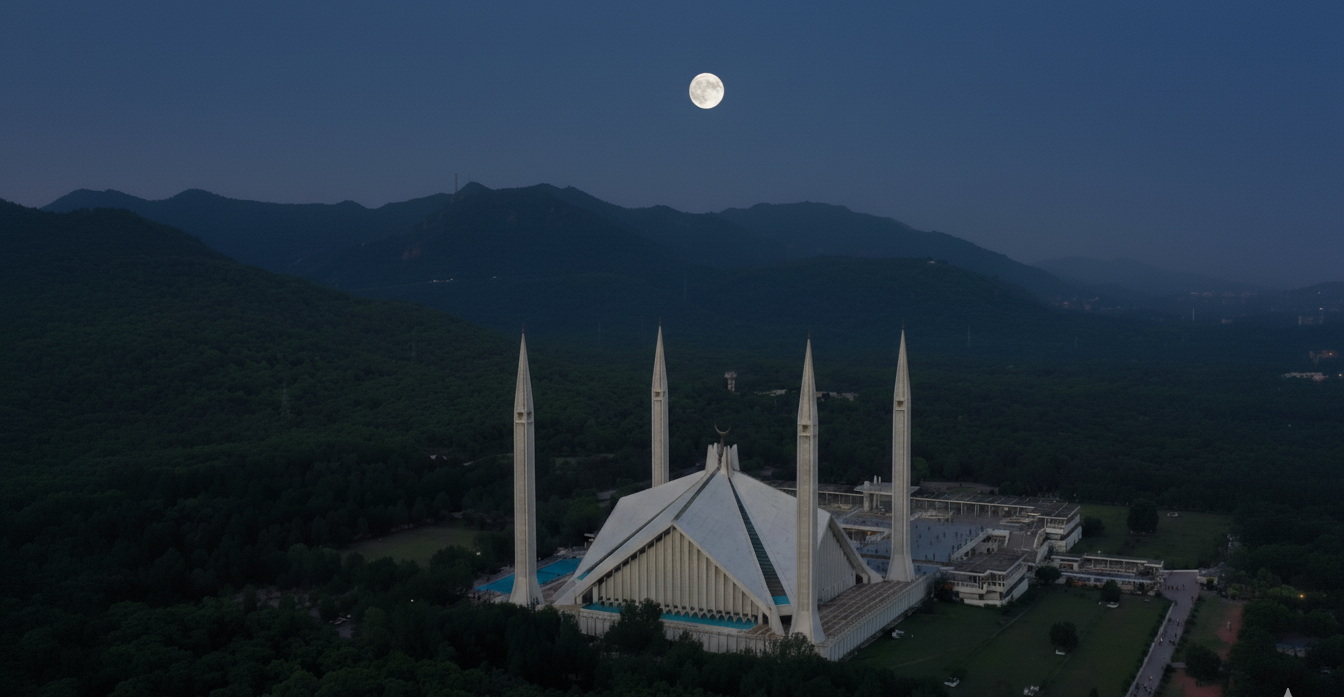
Beaver Moon Dazzles Pakistan: Nation Witnesses 2025’s Brightest Supermoon
Celestial Event Illuminates Night Sky
Pakistan experienced its first supermoon of 2025, popularly known as the Beaver Moon, on Wednesday evening, with the brilliant celestial display captivating sky-watchers across the country.
The phenomenal event marks the full Moon coinciding with its closest orbital point to Earth, a position known as perigee. According to the Space and Upper Atmosphere Research Commission (Suparco), this particular supermoon was the largest and brightest of the year, achieving peak illumination at 6:19 PM Pakistan Standard Time.
Supermoon’s Size and Brightness Defined
Suparco confirmed that the Beaver Supermoon was positioned at a distance of 356,980 kilometers (221,817 miles) from Earth. Due to this unusual proximity, the Moon appeared significantly enhanced: it was 7.9% larger and 16% brighter than an average full Moon.
While the change in size and brightness is subtle to the naked eye, the event provides a rare and captivating viewing opportunity. A spokesperson for the National Aeronautics and Space Administration (NASA) noted that the Moon’s closeness can make it appear up to 14% larger and 30% brighter compared to a full moon at its farthest point.
The Supermoon Sequence and Origin of the Name
The November phenomenon is the second in a sequence of three consecutive supermoons, following the one in October and preceding the supermoon expected in December. Supermoons typically occur three to four times annually, depending on the alignment of the Moon’s perigee with its full phase.
The name “Beaver Moon” is rooted in North American traditions and colonial folklore, historically referring to the time of year when trappers would set their beaver traps before the swamps and waterways froze for winter. Beavers, for which the moon is named, are large, broad-tailed rodents known for felling trees and building dams.