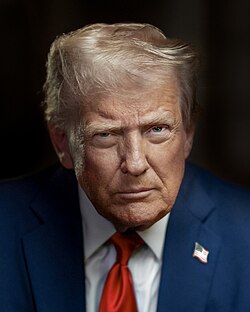
Donald Trump international withdrawal has sent shockwaves through global diplomatic, climate, and development circles after the US president ordered a sweeping exit from dozens of international organisations, including the world’s most influential climate institutions. The decision marks one of the most dramatic reversals of US multilateral engagement in modern history and has reignited fierce debate over America’s role on the global stage.
Table of Contents
- Scope of the Trump International Withdrawal
- Climate Treaties and Scientific Bodies Affected
- Global Reaction and Diplomatic Fallout
- Strategic Implications for the US and China
- What Comes Next for Global Cooperation
Scope of the President’s International Withdrawal
The J. Trump international withdrawal was formalised through a presidential memorandum ordering the United States to leave the UN Framework Convention on Climate Change (UNFCCC) along with 65 other international and multilateral organisations. The list includes bodies linked to climate science, renewable energy, development, education, democracy promotion, and human rights.
According to the White House, the move aligns with Trump’s “America First” agenda and aims to reduce what officials describe as excessive spending on institutions that allegedly deliver limited returns to US taxpayers. In total, the decision affects 66 organisations, including 31 UN-affiliated entities.
Climate Treaties and Scientific Bodies Affected
At the core of Trump’s international withdrawal is the exit from the UNFCCC, the foundational 1992 treaty that underpins global climate cooperation. The withdrawal also targets the Intergovernmental Panel on Climate Change (IPCC), the world’s leading authority on climate science, as well as the Green Climate Fund, the largest international financing mechanism for climate mitigation and adaptation.
The decision follows Trump’s earlier announcement to withdraw from the Paris Climate Agreement for a second time, reversing the US re-entry under President Joe Biden. Climate scientists warn the move comes as the world experiences its hottest years on record, with extreme weather events intensifying globally.
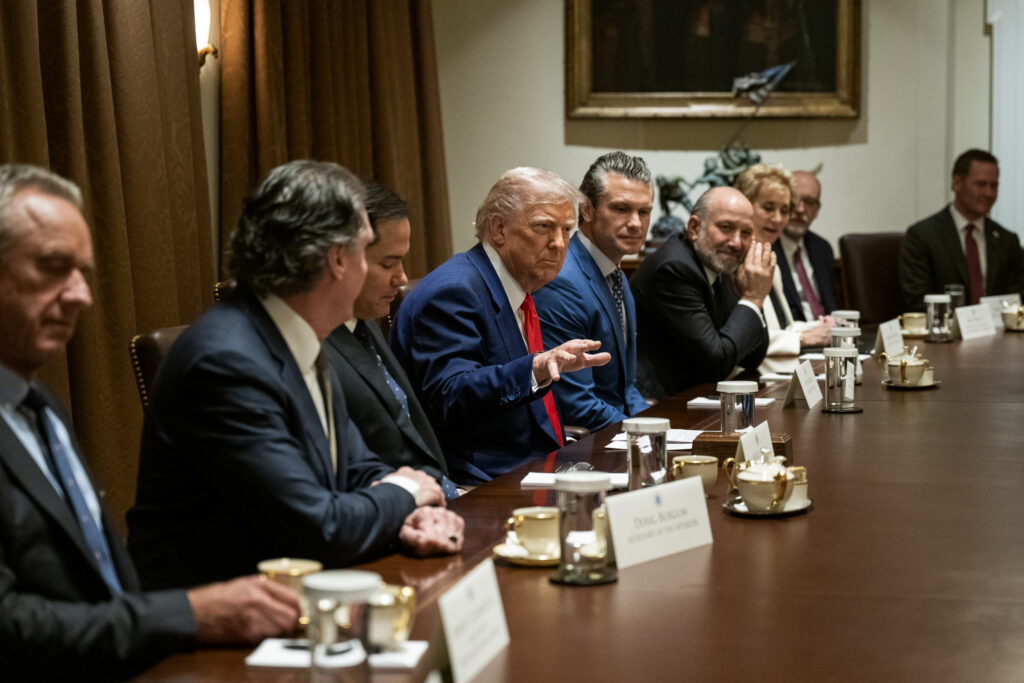
Global Reaction and Diplomatic Fallout
International response to the president’s international withdrawal has been swift and largely critical. European Union climate officials described the decision as regrettable, stressing that the UNFCCC remains the backbone of global climate action. Senior UN figures warned that the US retreat undermines decades of diplomacy and weakens collective efforts to address climate risks.
Former US Vice President Al Gore called the move a direct challenge to climate science and international trust, while noting that global cooperation would continue without US leadership. UN climate leaders have emphasized that doors remain open for future US re-engagement, citing past reversals on climate policy.
Strategic Implications for the US and China
Analysts say the Trump international withdrawal may accelerate a shift in global influence toward China, which has positioned itself as a leader in green technology and clean energy investment. As the world’s largest emitter, China is increasingly seen by other nations as a key driver of climate progress, particularly as the US steps back.
Former US climate envoy John Kerry described the withdrawal as a strategic gift to Beijing, arguing it reduces pressure on major polluters while weakening American diplomatic leverage.
What Comes Next for Global Cooperation
The long-term impact of Trump’s international withdrawal will depend on how aggressively the administration enforces funding cuts and participation limits. Some UN officials suggest the real consequences may emerge during annual budget negotiations, where US influence has traditionally played a key role.
Despite the uncertainty, most countries have reaffirmed their commitment to international climate agreements. With global temperatures rising and climate risks escalating, experts warn that sustained US disengagement could carry lasting economic, environmental, and geopolitical costs.