
Table of Contents
Fatah-3 Supersonic Cruise Missile Test Strengthens Pakistan’s Defence Capabilities
RAWALPINDI: Pakistan Army has successfully conducted the launch of the Fatah-3 supersonic cruise missile, marking a significant development in the country’s conventional defence capabilities and missile technology.
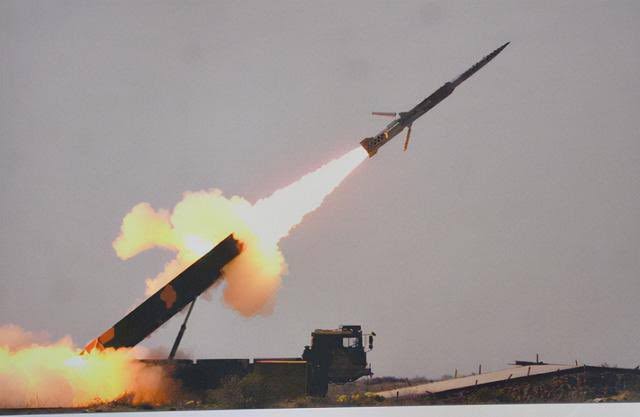
The Inter-Services Public Relations (ISPR), the military’s media wing, announced the successful launch on Wednesday, November 18, 2026, describing it as another important milestone in strengthening Pakistan’s national defence infrastructure.
The development is expected to expand the operational flexibility and strike capabilities of the Pakistan Army’s Rocket Force Command.
Advanced Technology Behind Fatah-3 Supersonic Cruise Missile
According to the ISPR statement, the Fatah-3 supersonic cruise missile incorporates advanced navigation and propulsion systems designed to support accurate engagement of targets at extended distances.
The weapon system is capable of travelling at supersonic speeds, allowing it to engage designated targets with high precision and effectiveness, according to the military.
The integration of advanced navigation technology and propulsion systems represents an important aspect of the missile’s reported operational capabilities.
However, the military has not publicly disclosed the missile’s precise operational range, maximum speed, detailed technical specifications or the location where the launch was conducted.
These details will be important for independent assessments of the weapon system’s overall performance and operational capabilities.

Fatah-3 to Enhance Army Rocket Force Command Capabilities
The ISPR said the successful launch would significantly improve the operational flexibility and strike reach of the Pakistan Army’s Rocket Force Command.
The development is expected to expand the command’s ability to engage targets over longer distances while strengthening Pakistan’s conventional deterrence capabilities.
The military described the new missile system as an important addition to the country’s broader defence posture.
Conventional deterrence involves maintaining credible military capabilities to discourage potential aggression without relying on nuclear weapons.
The introduction and testing of advanced conventional missile systems form part of Pakistan’s continuing efforts to strengthen its defence preparedness and technological capabilities.
The Fatah-3 supersonic cruise missile is expected to contribute to this objective by providing additional operational options to the Army Rocket Force Command.
Nevertheless, the ISPR statement did not provide details about the missile’s deployment schedule, production status or the number of units planned for induction into military service.
Senior Military Officials Witness Successful Launch
The successful launch was witnessed by the Commander of the Army Rocket Force Command, senior officers of the Pakistan Armed Forces, scientists and engineers.
Their presence highlighted the involvement of military leadership and technical personnel in the development and testing of the missile system.
Scientists and engineers play an important role in developing advanced defence technologies, including navigation systems, propulsion mechanisms and precision-guidance capabilities.
The successful launch also provided an opportunity to demonstrate the reported capabilities of the newly tested weapon system.
The ISPR did not release further technical information about the test, including the distance covered or the specific target-engagement parameters.
National Leadership Congratulates Defence Teams
Following the announcement, President Asif Ali Zardari, Prime Minister Shehbaz Sharif, Chief of Army Staff and Chief of Defence Forces Field Marshal Syed Asim Munir, and the services chiefs congratulated the teams involved in the successful launch.
The country’s leadership appreciated the dedication and commitment of the military personnel, scientists and engineers who contributed to advancing Pakistan’s national defence capabilities.
The congratulations recognised the efforts of the technical and military teams involved in the missile programme.
The successful launch was described by the military leadership as another significant achievement in strengthening the country’s defence infrastructure.
Pakistan’s Evolving Missile Development Programme
The Fatah-3 supersonic cruise missile test comes amid continued developments in Pakistan’s missile and aerospace programmes.
Earlier in November 2026, the Pakistan Air Force announced a successful flight test of Fa’az, described by the military as the country’s first indigenously developed air-to-air missile.
The military has also reported developments involving other members of the Fatah missile series.
In October 2026, Pakistan announced the successful test launch of the Fatah-2 extended-range hypersonic ballistic missile. These developments represent separate programmes and should not be confused with the technical specifications of Fatah-3.
Pakistan’s defence development efforts involve strengthening precision-strike capabilities, improving military technology and expanding the operational options available to its armed forces.
The latest Fatah-3 launch adds another development to these efforts.
While the ISPR has confirmed the successful launch and outlined the missile’s broad capabilities, further technical details will be needed to establish its precise performance, operational range and deployment status.
The test nevertheless marks a reported advancement in Pakistan’s conventional missile capabilities and the operational reach of its Army Rocket Force Command.See More on Pulse Pakistan