Table of Contents
Full News Article
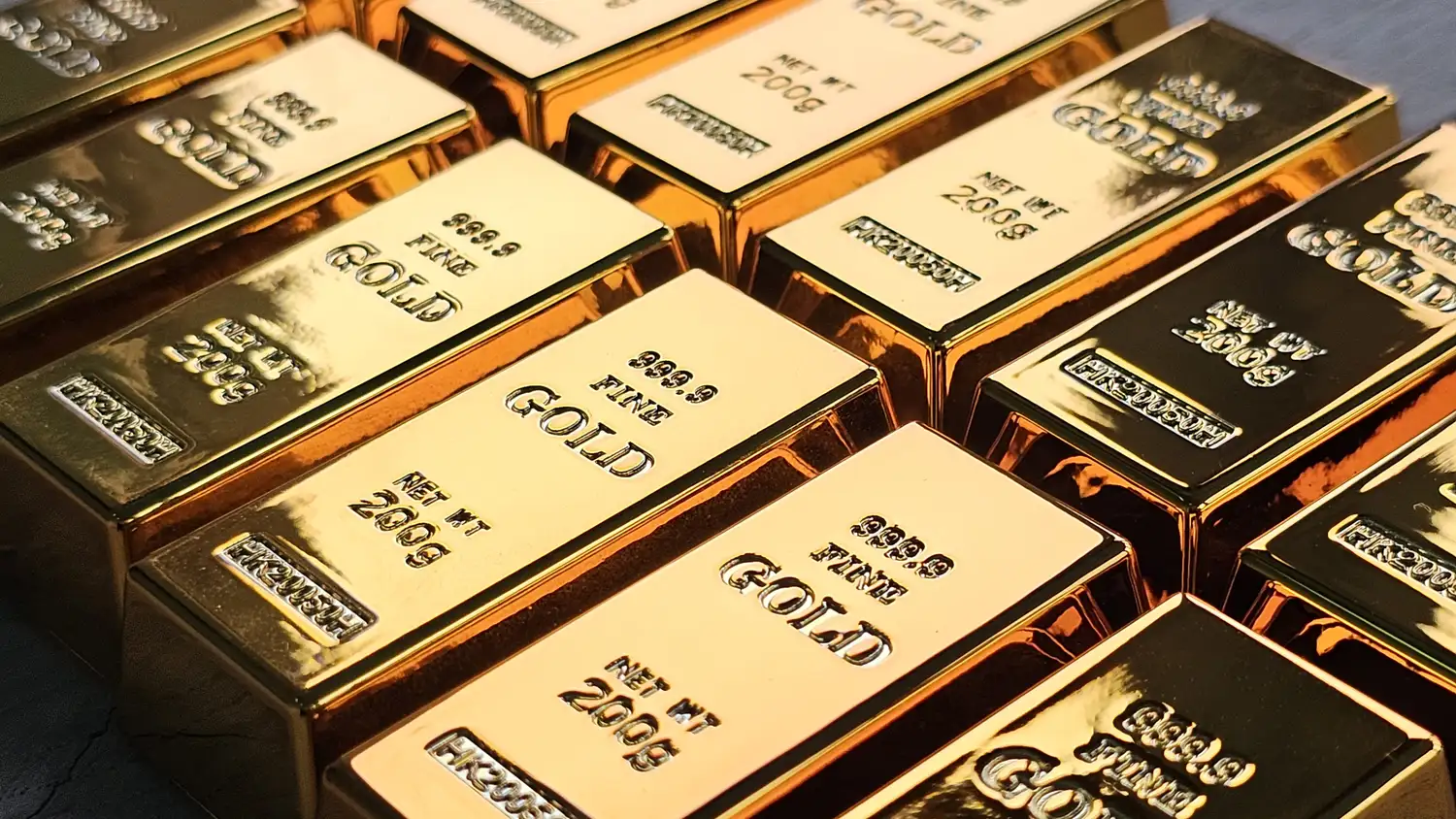
Gold Prices crosses Rs500,000 mark in Pakistan for the first time ever, marking a historic milestone for the domestic bullion market as investors flock to the precious metal amid mounting global uncertainty.
On Wednesday, the price of gold leapt sharply by Rs12,700 per tola, pushing the rate to Rs506,362, while the cost of 10 grammes climbed by Rs10,888 to Rs444,123, according to official market data.
Historic Gold Price Surge in Pakistan
The record‑breaking surge reflects both international price momentum and heightened local demand for gold, traditionally considered a hedge against economic turbulence. Pakistan’s long‑held psychological threshold of Rs500,000 per tola has finally been crossed after a steady upward trend.
Market Drivers: Geopolitics and Safe‑Haven Demand
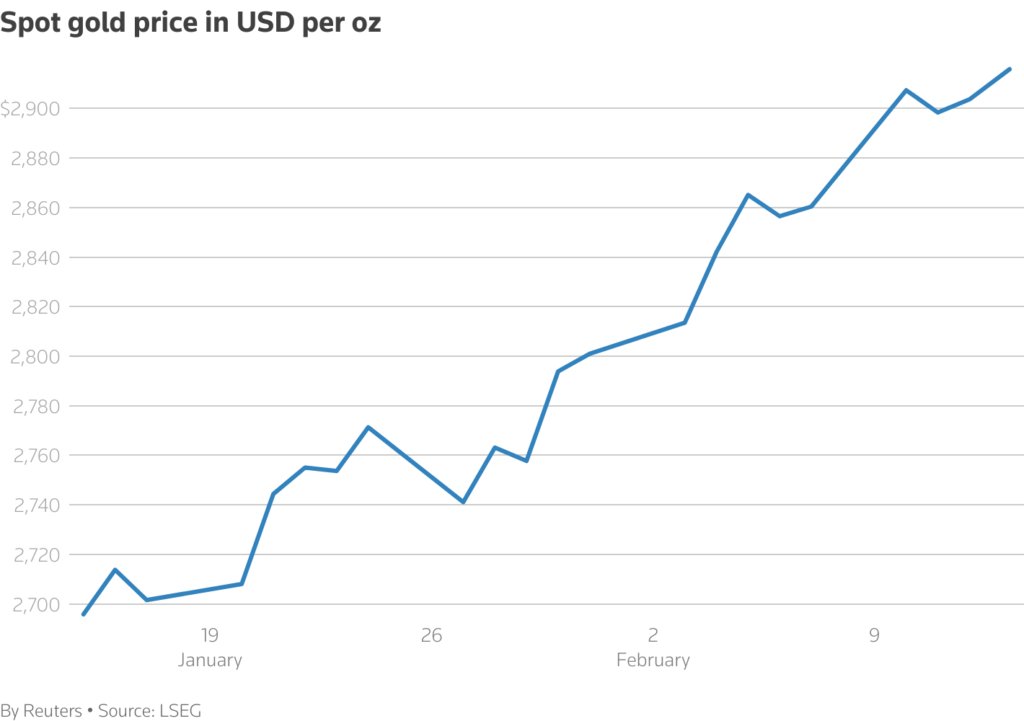
Analysts say geopolitical tensions and rising uncertainties in global financial markets have driven investors toward safe‑haven assets such as gold and silver. Earlier this week, gold prices in global markets registered fresh peaks, with spot gold trading well above $4,800 an ounce.
Experts have pointed to us policy uncertainties, including trade tensions and tariff threats, as factors stoking safe‑haven flows, with investors seeking refuge from volatile equities and a weakening dollar.
Source: Reuters“
Central Bank Buying and Global Trends
Beyond the influence of short-term geopolitical events, sustained central bank demand continues to serve as a core driver behind the ongoing rally in gold prices. Across the globe, nations have steadily increased their gold reserves as part of broader strategies to diversify away from currency risk and reduce dependence on traditional fiat currencies. This accumulation has persisted even as gold prices have surged to historic levels, highlighting the metal’s enduring appeal as a safe-haven asset during periods of global economic uncertainty.
Analysts note that this structural trend in central bank buying has contributed significantly to maintaining elevated gold prices, creating a resilient backdrop that supports investor confidence. Many financial institutions remain bullish, projecting that gold may continue its upward trajectory through 2026. Some forecasts even suggest that the yellow metal could surpass critical psychological milestones in international markets, reinforcing its role as a hedge against inflation, currency fluctuations, and broader financial instability.
Impact on Local Investors and Markets
The surge in domestic gold prices mirrors global trends, reflecting a widespread flight toward secure assets as market sentiment becomes increasingly cautious. In Pakistan, silver has also experienced a notable increase alongside gold, while local equity markets have displayed mixed performance, with investors and traders recalibrating strategies amid rising uncertainty.
For Pakistani consumers and investors, the recent climb of gold prices to Rs500,000 per tola presents a nuanced mix of both opportunities and challenges. Jewellery buyers are now confronted with significantly higher costs, forcing many to reconsider the timing and scale of their purchases.
At the same time, bullion traders are navigating a market that offers potential for substantial profits but also demands careful risk management amid volatile price movements.
Long-term savers and investors are increasingly reassessing their strategies, seeking ways to protect their wealth in real terms against inflation and currency fluctuations.
Financial advisors are cautioning individuals to approach gold investments thoughtfully, weighing short-term purchasing decisions against the potential long-term benefits of holding gold as a stable, wealth-preserving asset within a diversified investment portfolio.
This delicate balance highlights the strategic importance of gold not just as a commodity, but as a critical component of financial planning in uncertain economic times.
Overall, the historic rally in gold prices underscores both the global and domestic appeal of precious metals, highlighting how macroeconomic trends, central bank policies, and investor sentiment collectively shape market dynamics in Pakistan and beyond.