Table of Contents
- Government austerity measures target fuel use
- Restrictions on government purchases and travel
- Official meetings and events face curbs
- New commercial closing hours announced
- Exemptions for essential services
- Spending cuts to continue through fiscal year
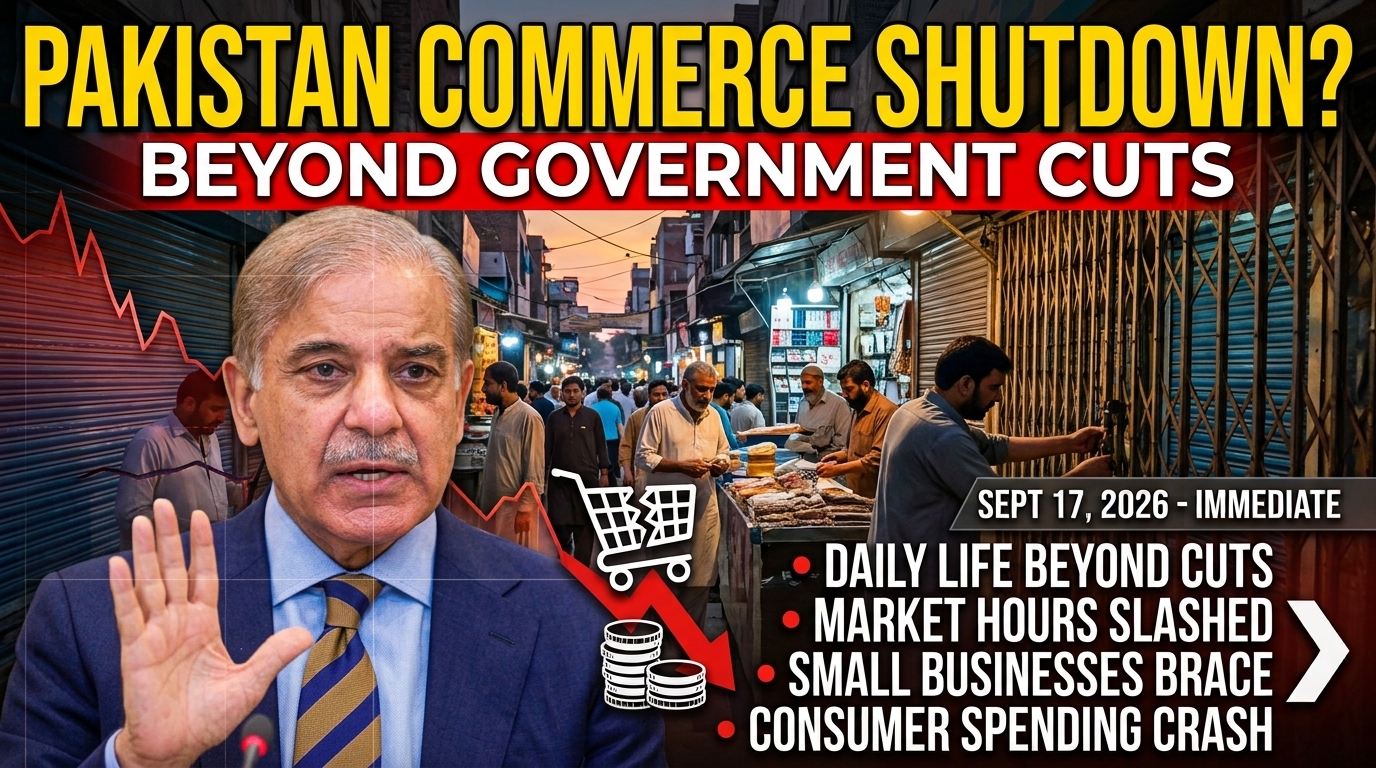
Government austerity measures have been reintroduced by the federal government as Pakistan moves to conserve fuel and contain public-sector expenditure amid renewed pressure from higher energy costs. The notification introduces restrictions on official fuel consumption, government purchases, foreign travel, official events and commercial operating hours. Recent reporting confirms the measures were reintroduced on September 17, 2026, with immediate implementation.
Government austerity measures target fuel use
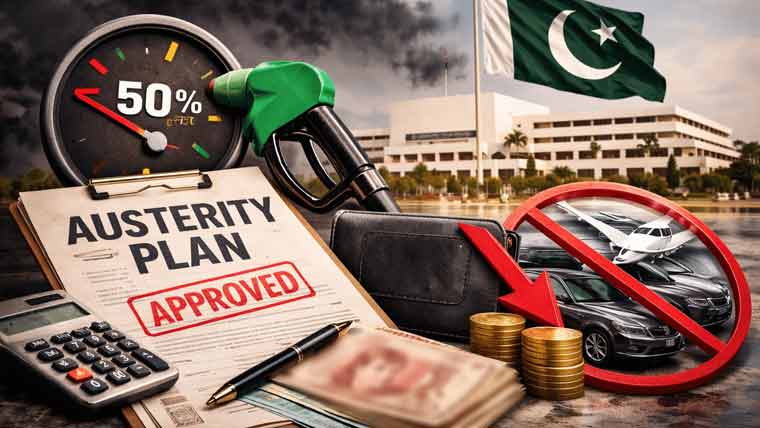
Under the new directives, fuel consumption for government vehicles will be reduced by 50 percent for administrative and non-operational activities. The restriction does not cover operational vehicles and vehicles used by the armed forces, civil armed forces, law enforcement agencies and essential services. FBR vehicles are also exempt under the notification.
The move revives a key component of the fuel-conservation measures introduced earlier this year. The government had previously announced a 50 percent reduction in fuel allowances for official vehicles as part of its response to international fuel-market pressures.
Restrictions on government purchases and travel
The notification imposes a complete ban on the purchase of new vehicles by government departments, while procurement of durable goods has also been restricted, except for items related to information technology.
Federal government ministries and departments will also face restrictions on foreign travel for three months, although specified exemptions will remain available. Where overseas travel is considered unavoidable, ministers, advisers and government officials will be required to travel in economy class.
The measures are aimed at limiting discretionary expenditure while preserving spending for essential government operations.
Official meetings and events face curbs
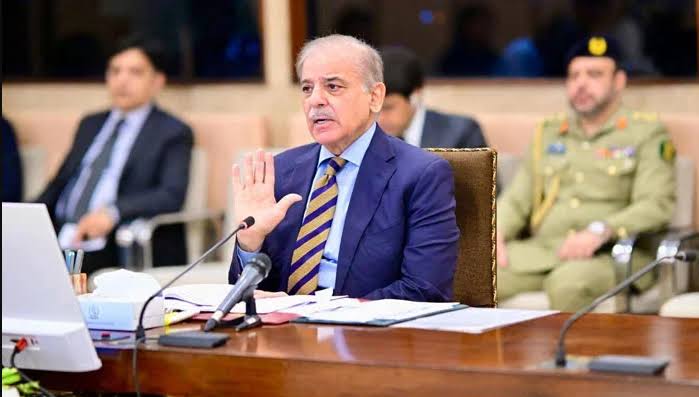
Government departments have been directed to make greater use of video conferencing instead of physical meetings. Official dinners funded by the government will also be prohibited, except where foreign delegations are involved.
Government-funded seminars, training sessions and conferences have similarly been restricted. Where an official event is considered unavoidable, government auditoriums and committee rooms are to be used instead of commercially hired venues.
The notification also introduces a one-dish condition for wedding functions, adding a social-expenditure restriction to the wider austerity framework.
New commercial closing hours announced
The revised measures set specific closing times for commercial establishments. Shops, markets, shopping malls and bazaars will close at 9pm, while wedding halls, marquees and other event venues will close at 10pm.
Restaurants, cafes and food outlets will close at 11pm. Takeaway and home-delivery services will remain exempt from the timing restrictions.
Similar market-closing provisions were part of the earlier fuel-conservation framework, although some timings and exemptions were subsequently reviewed during implementation.
Exemptions for essential services
The government has excluded a range of essential businesses and services from the new operating-hour restrictions. These include pharmacies, hospitals, clinics, medical laboratories and petrol stations.
Bakeries, tandoors, milk and dairy outlets, electric-vehicle charging stations and gyms are also included among the exempted sectors.
Requests for additional exemptions will be considered on a case-by-case basis, while provincial and regional governments may consider introducing similar measures within their respective jurisdictions.
Spending cuts to continue through fiscal year
Alongside the fuel restrictions, the notification provides for a 5 percent reduction in non-employee expenditure. The cut will be applied monthly throughout the financial year and will also cover non-employee expenses associated with foreign missions, professional groups and services.
The latest measures come as Pakistan continues to manage the effects of elevated international energy prices. The Finance Division has separately maintained an austerity framework for the 2026-27 fiscal year, while the government has also established a Prime Minister’s Austerity Fund to help manage pressures arising from the regional situation.
The new directives therefore combine fuel conservation with restrictions on discretionary government spending and selected commercial activities. Their implementation and any subsequent exemptions are expected to determine how widely the measures affect government departments, businesses and the public.See More on Pulse Pakistan