
Table of Contents
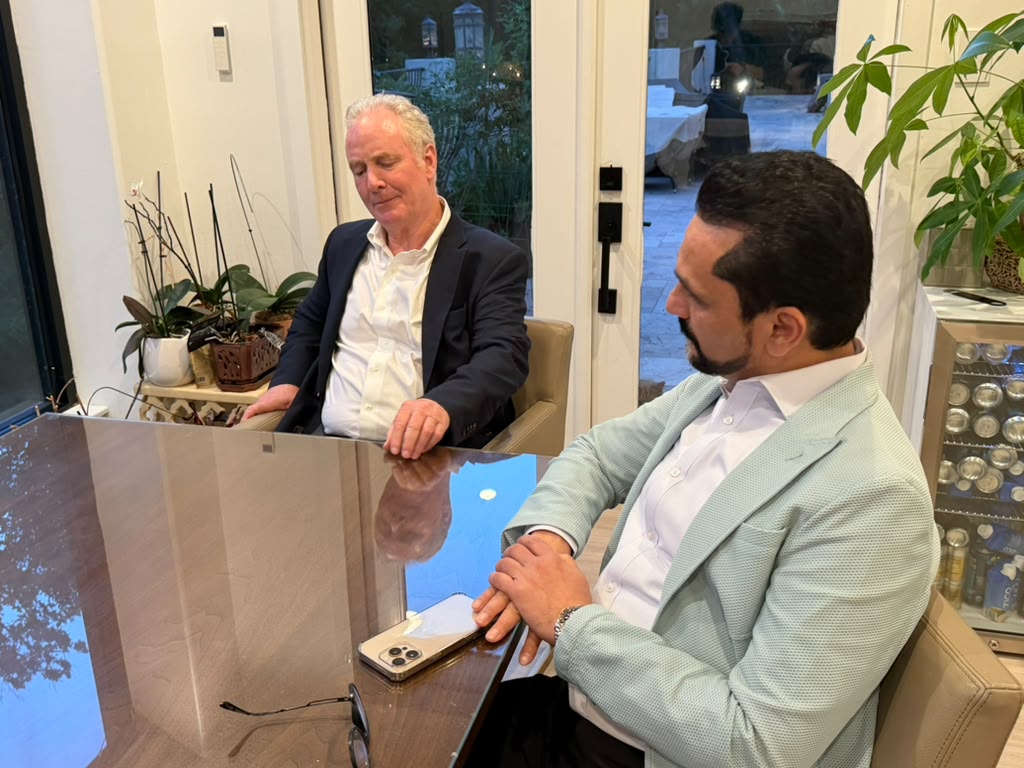
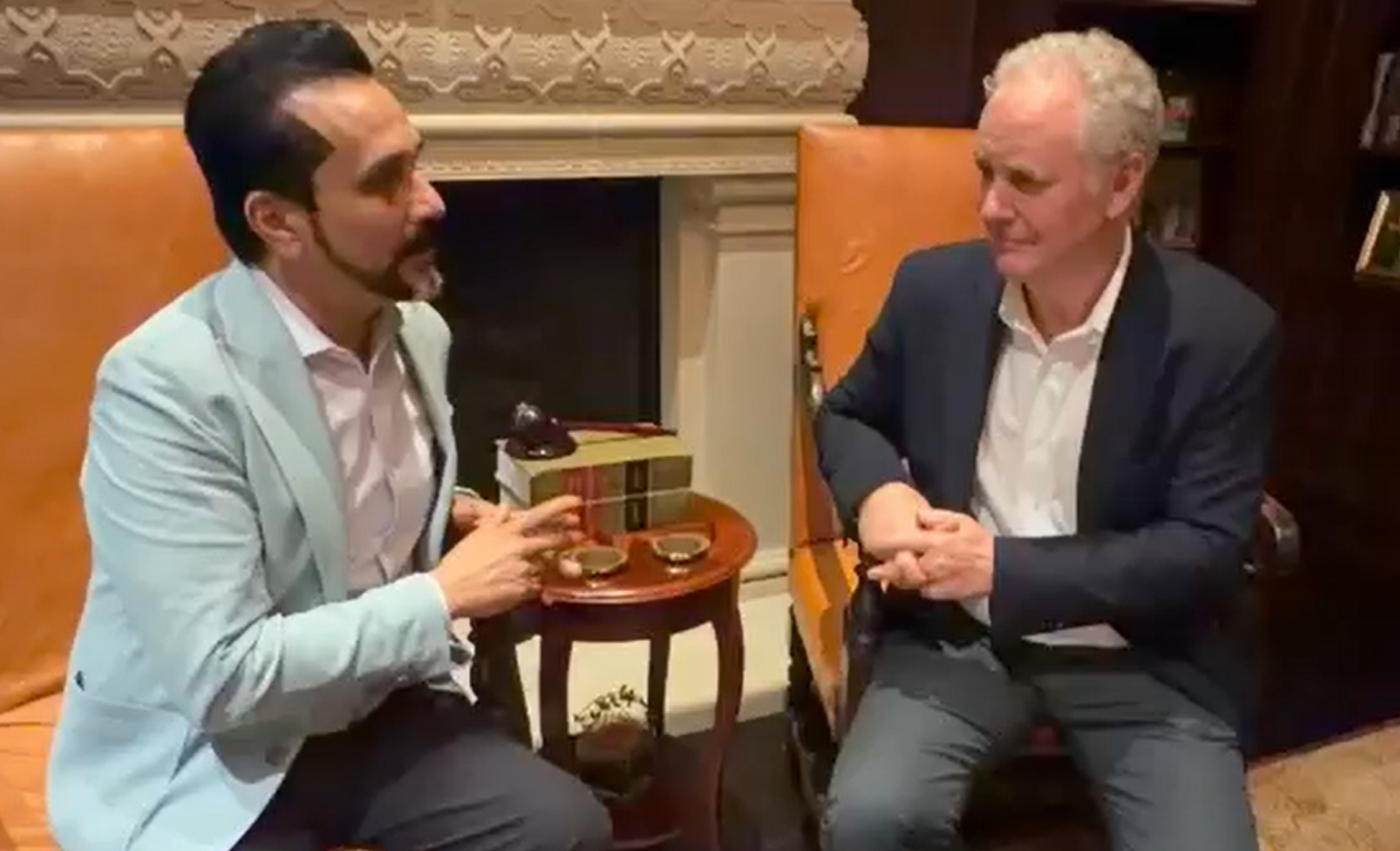
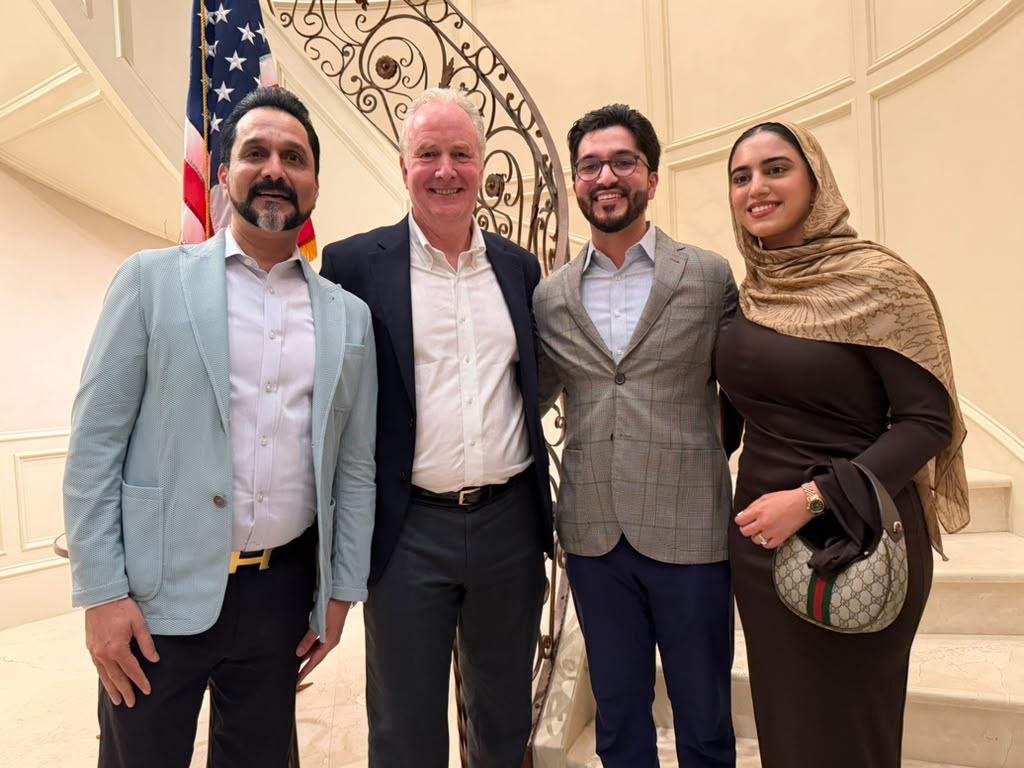
Pakistan-US economic partnership has received renewed attention following a reported meeting in Houston between Pakistani-American leader Tahir Javed and US Senator Chris Van Hollen, with discussions focusing on trade, investment and greater economic engagement between the two countries.
The meeting comes against the backdrop of longstanding efforts in Washington to expand commercial ties with Pakistan and revive proposals aimed at giving products from designated Pakistani regions improved access to the US market.
Economic Partnership Gets Fresh Focus
According to the details of the Houston meeting, Javed and Van Hollen discussed ways to strengthen commercial relations and broaden the basis of bilateral engagement beyond traditional security cooperation.
Javed reportedly urged the senator to revive efforts surrounding Reconstruction Opportunity Zones (ROZs), a proposal that has previously been considered in the US Congress.
The initiative is designed to create designated areas in Pakistan and Afghanistan from which certain products, particularly textiles and apparel, could qualify for duty-free entry into the American market.
The proposal has historically been presented as a mechanism for encouraging investment, employment and economic development in areas affected by conflict and underdevelopment.
Renewed Push for Reconstruction Opportunity Zones
The renewed discussion around ROZs is significant because the idea has remained part of the broader debate over how Washington can use trade policy to support economic development in Pakistan’s less-developed regions.
In 2021, Van Hollen joined Senators Todd Young and Maria Cantwell in introducing the Pakistan-Afghanistan Economic Development Act. The proposed legislation called for ROZs in Afghanistan and Pakistan’s border regions and sought duty-free access to the US for qualifying textile and apparel products.
The legislation was intended to encourage economic opportunity while supporting broader regional stability.
Earlier congressional proposals had also sought to establish ROZs in specific areas of Pakistan, including parts of the former tribal areas, Balochistan and areas near the Afghan border.
Van Hollen’s Previous ROZ Support
Van Hollen’s involvement with the issue predates his current role in the Senate. Congressional records show that he was a leading House advocate for earlier ROZ legislation concerning Pakistan and Afghanistan.
The US State Department also described ROZ legislation as a significant component of Washington’s approach toward economic development in the region during the late 2000s.
In 2021, Pakistan’s Foreign Ministry said then-Foreign Minister Shah Mahmood Qureshi discussed closer trade and investment ties with Van Hollen and welcomed his support for ROZ legislation. The ministry said Van Hollen emphasized the importance of stronger economic engagement between the two countries.
Trade and Investment Opportunities
For Pakistan, improved access to the US market could create opportunities for exporters, particularly in the textile and apparel sectors.
The United States is an important destination for Pakistani exports, while greater investment and commercial cooperation could potentially broaden the relationship into additional sectors.
Any new ROZ initiative, however, would require consideration of legislative, eligibility and implementation requirements in the United States. Previous proposals included specific conditions governing which areas and products could receive preferential treatment.
The reported Houston discussions therefore represent a renewed political and business-level conversation rather than evidence that a new ROZ program has already been enacted.
From Security Ties to Economic Engagement
The broader objective outlined in the meeting is to strengthen the commercial dimension of relations between Islamabad and Washington.
Pakistan and the United States have maintained a longstanding relationship that has included security, diplomatic and economic cooperation. Greater emphasis on trade and investment would add another dimension to that engagement.
For Pakistani exporters and businesses, any future expansion of preferential access would depend on US legislation, regulatory decisions and the final terms of any approved program.
The reported discussion in Houston nevertheless places economic cooperation and trade facilitation back into focus. With ROZs having previously received bipartisan congressional support, renewed attention to the proposal could become part of wider efforts to expand commercial ties between Pakistan and the United States.See More on Pulse Pakistan