Table of Contents
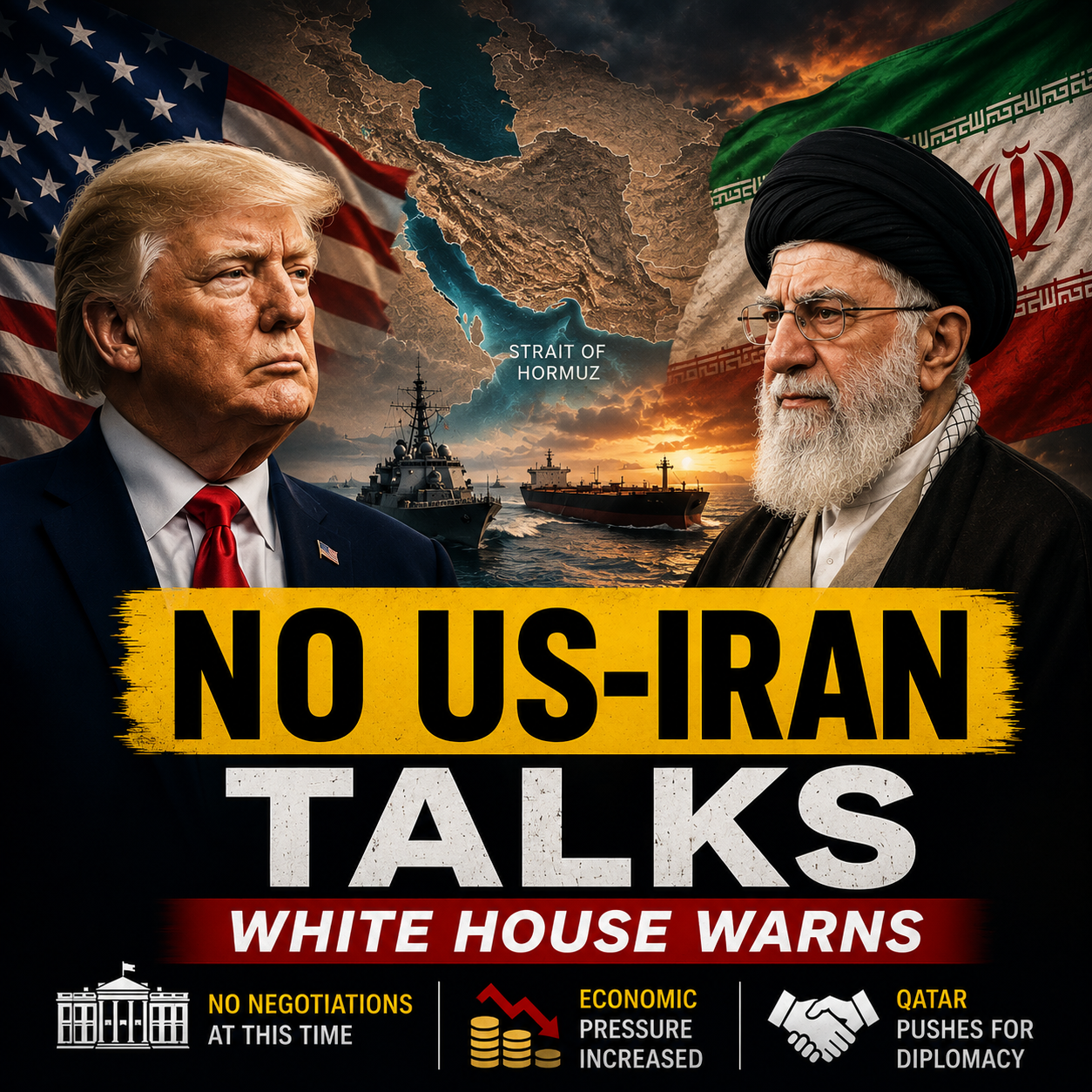
Trump Iran attacks have again become a major focus of Washington’s policy toward Tehran after US President Donald Trump told Axios that he is considering whether to resume large-scale military operations against Iran. Trump said the conflict had reached a pivotal stage and that renewed attacks could be considered as part of efforts to bring the war to an end.
The comments came as Trump prepares to consult leaders from six Gulf countries about the next phase of the conflict. The planned discussions are expected to involve Saudi Arabia, the United Arab Emirates, Qatar, Bahrain, Kuwait and Oman on the sidelines of the United Nations General Assembly in New York.
Trump Considers Renewed Military Action
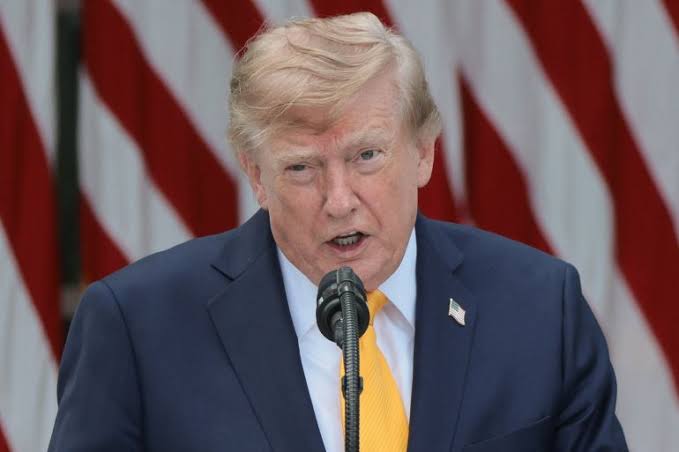
In his latest interview with Axios, Trump indicated that he faces a significant decision over whether to intensify military operations against Iran.
He said the United States could restart major attacks if necessary to push the conflict toward an end. The remarks represent a continuation of Washington’s military pressure on Tehran while diplomatic efforts over a possible settlement remain part of the wider picture.
Trump has previously indicated that US forces could carry out additional strikes when Washington considers them necessary. Earlier this month, US forces conducted attacks on Iranian targets around the Strait of Hormuz, with US officials saying the operations targeted capabilities linked to threats against shipping.
The latest comments therefore come against an established backdrop of military exchanges rather than as an isolated warning.
Gulf Leaders to Be Consulted
Trump said he wants the views of key Gulf partners before determining the next stage of the confrontation.
The planned meeting would bring together leaders from Saudi Arabia, the UAE, Qatar, Bahrain, Kuwait and Oman. The discussions are expected to focus on the conflict’s future direction and the wider security consequences for the Gulf region.
The consultation comes as regional governments face concerns over attacks, maritime security and disruptions to energy exports.
Recent developments around the Strait of Hormuz have already affected commercial shipping. Preliminary ship-tracking data showed only three commercial vessels transited the strait on September 16, compared with 12 the previous day and a 10-day average of 17. The data may not capture vessels operating with their tracking systems disabled.
Iran Oil Exports and US Blockade
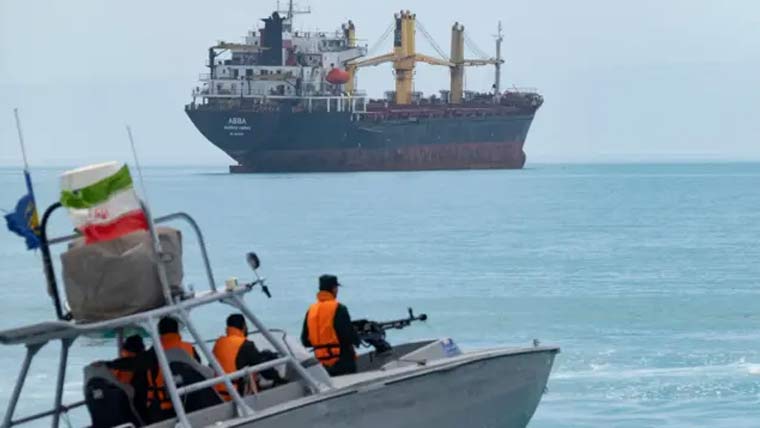
Trump has also focused heavily on Iran’s oil exports and the US effort to restrict Tehran’s ability to move petroleum through the region.
The White House has said the United States is enforcing a blockade around Iranian shipping and has claimed that Iran has been unable to resume normal oil exports from its shores. Those statements represent the administration’s position and should be distinguished from independent shipping data.
Trump has previously linked US military operations against Iranian vessels to the broader campaign surrounding the Strait of Hormuz.
Recent US Strikes on Iranian Tankers
US forces have already struck Iranian oil tankers during the current confrontation.
Axios reported that US forces attacked two Iranian government tankers on September 1, describing the action as the first use of a new “tanker for tanker” policy approved by Trump. US officials said the strikes were connected to Iranian attacks on shipping and American military positions.
On September 5, US forces struck three additional Iranian oil tankers after Iranian forces fired ballistic missiles toward US Navy ships, according to US Central Command as reported by Axios.
These incidents have added another dimension to the confrontation, extending military exchanges into the maritime and energy sectors.
Conflict Enters Another Critical Phase
The latest Trump Iran attacks warning comes while Washington is simultaneously discussing how the conflict could eventually end.
Reuters reported on September 16 that Trump said he hoped the war could be approaching its end and was preparing for discussions with Gulf Cooperation Council leaders about postwar strategy.
At the same time, commercial shipping through the Strait of Hormuz remains significantly disrupted, underscoring the economic consequences of the conflict.
Trump’s latest comments leave open the possibility of renewed US military action while the administration continues to consult regional partners and consider the broader consequences of the confrontation with Iran.
For the region, the next steps could have implications not only for military security but also for maritime traffic, oil exports and international energy markets.See More on Pulse Paksitan