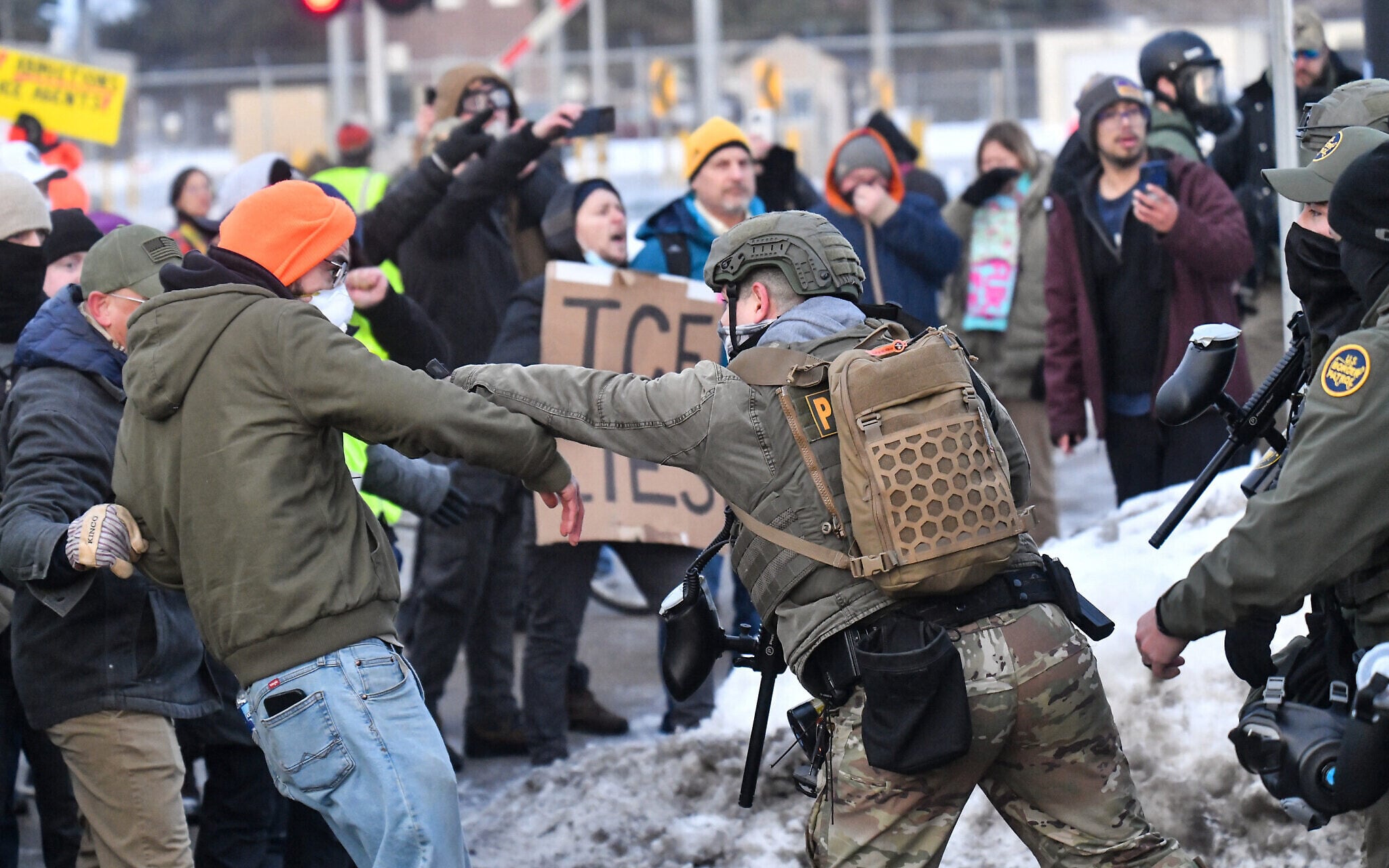
ICE shooting in Minneapolis sparked widespread protests and intense clashes between law enforcement and demonstrators on Thursday, following the fatal killing of 37-year-old Renee Nicole Good by a federal immigration agent. The incident has reignited debates over immigration enforcement, federal authority, and the Trump administration’s aggressive approach to deportations.
Table of Contents
- Details of the Minneapolis Shooting
- Federal Response and Trump Administration Statements
- Protests and Public Outrage
- Background on Operations and Recruitment
- Implications for US Immigration Policy and Safety
Details of the Minneapolis ICE Shooting
The fatal incident occurred on Wednesday near Fort Snelling, outside Minneapolis, when Renee Nicole Good attempted to drive away from immigration officers who were surrounding her vehicle. Footage shows a masked agent trying to open the woman’s car door before another agent fired three shots at close range into her Honda SUV. The vehicle then crashed into stationary cars, leaving Good’s bloodied body slumped inside.
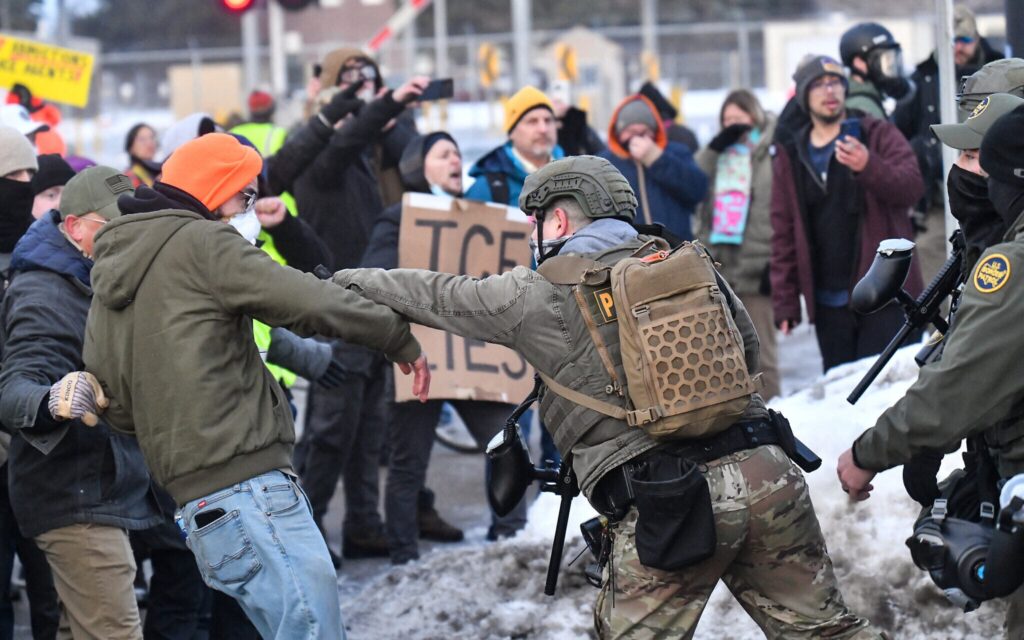
Minneapolis police confirmed that Good was not a target of immigration enforcement and was only suspected of blocking traffic. Witnesses described chaotic scenes as onlookers shouted at federal officers, and some demonstrators clashed physically with agents, leading to multiple detentions.
Federal Response and Trump Administration Statements
President Donald Trump defended the agents, claiming the shooting was an act of self-defense and asserting that Good was attempting to harm federal personnel. Department of Homeland Security Secretary Kristi Noem labeled the incident as “domestic terrorism.”
Trump said in an interview that “I want to see nobody get shot. I want to see nobody screaming and trying to run over policemen either,” framing the fatality within the context of officer safety. Vice President JD Vance called the victim “a deranged leftist” on social media, comments that drew further criticism and public outrage.
Protests and Public Outrage
The shooting sparked immediate demonstrations near the Bishop Henry Whipple Federal Building in Saint Paul. Protesters chanted slogans against, denouncing federal enforcement policies and the administration’s rhetoric. Some demonstrators clashed with officers using pepperball guns and teargas, while several were detained, including one who struck an agent with a cardboard sign.
Minnesota Governor Tim Walz encouraged peaceful demonstrations, calling it a “patriotic duty” to seek justice while urging safety amid heightened tensions. Witnesses recounted harrowing scenes, including a doctor being denied access to provide aid and the surviving passenger emerging covered in blood.

Source: GEO NEWS
Background on ICE Operations and Recruitment
The shooting occurs amid the Trump administration’s intensified immigration enforcement campaign. DHS launched an expansion plan last summer to recruit 10,000 additional Immigration and Customs Enforcement agents to the existing 6,000, prompting concerns about insufficient training and aggressive tactics. ICE operations across the country have sparked repeated protests, with federal officers deployed in major cities, including Chicago and Minneapolis, to detain undocumented migrants.
Previous incidents, including the September shooting of an undocumented immigrant in Chicago, have heightened public scrutiny over Immigration and Customs Enforcement operations, particularly regarding the use of lethal force during detentions.
Implications for US Immigration Policy and Safety
The Minneapolis shooting has intensified debate over federal immigration enforcement, the accountability of Immigration and Customs Enforcement agents, and the Trump administration’s broader deportation policies. Advocates for reform stress the need for stricter oversight and training for federal officers, while supporters argue for the necessity of protecting agents in potentially dangerous situations.
Renee Nicole Good’s family emphasized that she was a poet and mother who posed no real threat. Her death has become a flashpoint in national discussions about immigration enforcement, civil liberties, and the role of federal authority in American communities.