Iran Crisis Intensifies Amid Rising Protests and Global Tensions
Iran Crisis is dominating international headlines as widespread protests, government crackdowns, and escalating rhetoric from world leaders threaten to destabilize the Middle East. Over the past two weeks, Iran has witnessed deadly unrest, prompting warnings of potential military intervention from the United States while diplomatic voices, including China, urge restraint.
Table of Contents
- Rising Unrest in Iran
- Trump Considers Military Options
- Iran’s Government Response
- China Calls for Stability
- Casualties and International Repercussions
Rising Unrest in Iran
Protests erupted across Iranian cities after economic grievances and political frustrations culminated in public demonstrations. Security forces have clashed violently with protesters, resulting in at least 490 confirmed civilian deaths and 48 security personnel fatalities, according to US-based rights group HRANA. Arrests have reportedly exceeded 10,600 people, highlighting the intensity of government crackdowns.
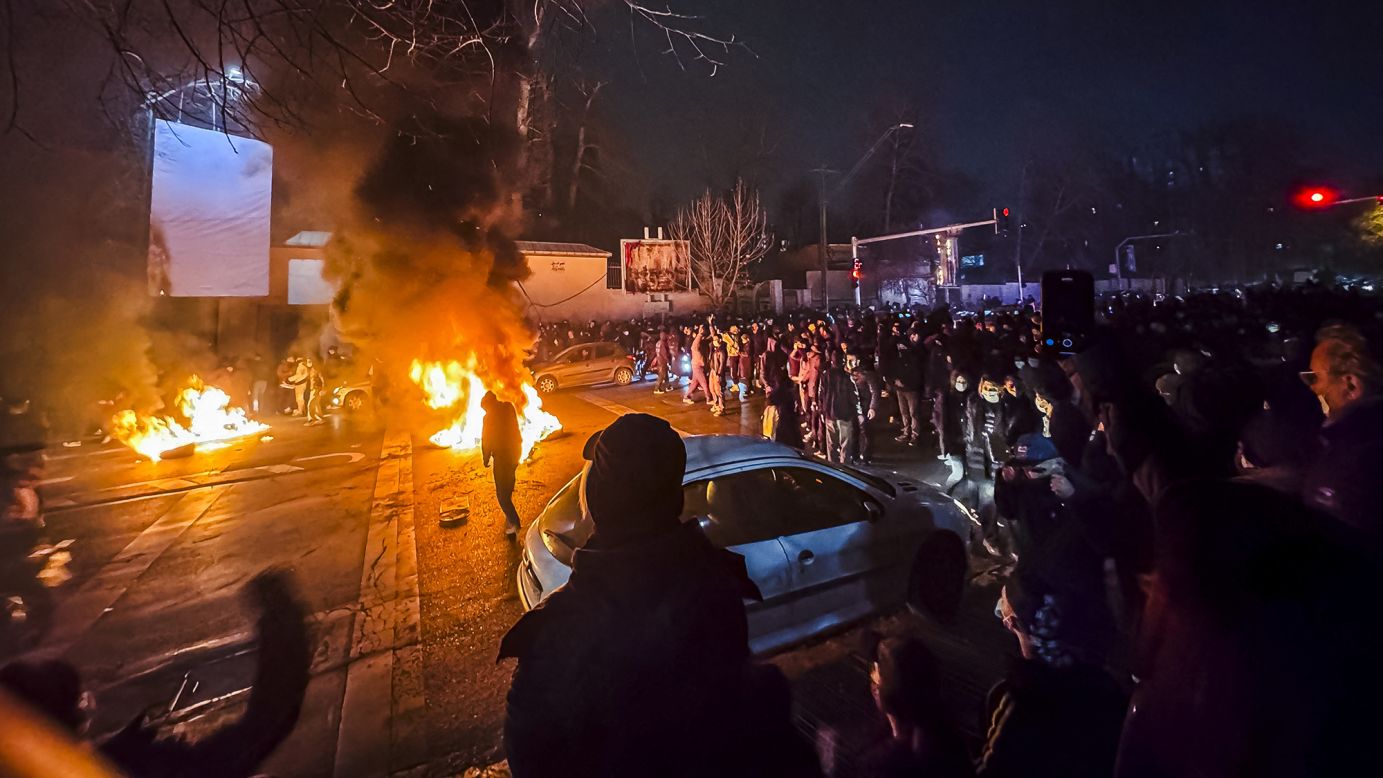
Despite a 72-hour internet blackout, which activists say has limited independent reporting, protests have swelled nationwide, particularly in Tehran and Mashhad. Images circulating on social media show smoke rising as crowds defy restrictions, underscoring the depth of civil unrest.
Trump Considers Military Options
US President Donald Trump has publicly acknowledged considering military strikes against Iran if violence against protesters continues. Speaking from Air Force One, Trump indicated that the US military is reviewing “very strong options,” including potential cyber operations and targeted sanctions.
Trump also noted that Iranian leaders have reached out seeking dialogue after his warnings, but he cautioned that action might be necessary before formal negotiations take place. Senior US officials are scheduled to meet to evaluate strategic responses, signaling heightened tensions between Washington and Tehran
Iran’s Government Response
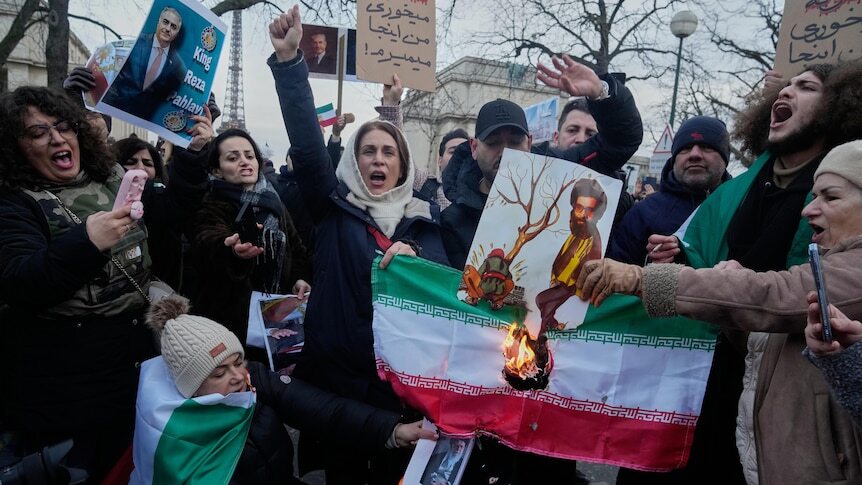
Iranian leaders have responded defiantly to both domestic unrest and international pressure. Foreign Minister Abbas Araqchi told foreign diplomats that the country is “ready for war but also for dialogue”, while President Masoud Pezeshkian called for a “national resistance march” to rally citizens against what the government terms urban terrorism and foreign interference.
The Iranian Parliament Speaker, Mohammad Baqer Qalibaf, warned Washington against miscalculations, asserting that all US bases and Israeli targets would be legitimate in case of an attack. In parallel, the government declared three days of national mourning for security personnel and citizens killed during protests.
Source: ABC News
China Calls for Stability
China, a key global player in Middle Eastern diplomacy, urged calm and discouraged foreign intervention. Chinese Foreign Ministry spokesperson Mao Ning emphasized that sovereignty and security must be protected under international law, and called for the Iranian government and citizens to overcome current difficulties. Beijing’s stance underscores the geopolitical implications of the Iran Crisis, as global powers balance regional stability against domestic unrest.
Casualties and International Repercussions
Human rights organizations have raised serious concerns that the true human toll of the Iran Crisis may be far higher than official reports indicate. Widespread communication blackouts and restricted access to independent media have made it increasingly difficult to verify casualty figures, leaving families and communities in uncertainty. Eyewitness accounts suggest that both protesters and security forces have suffered significant losses, and the humanitarian impact continues to grow as hospitals report shortages of medical supplies and personnel.
The unrest has also captured the attention of the international community, prompting urgent discussions among world leaders about potential responses. In global capitals, policymakers are debating the possibility of US intervention, ranging from diplomatic pressure to economic sanctions, while allies such as China and Russia have emphasized the importance of non-interference, underscoring the complexity of international relations surrounding the crisis. Regional powers, including those in the Middle East, are closely monitoring the situation, aware that instability in Iran could have cascading effects on security, energy markets, and migration patterns throughout the region.
As events unfold, the world continues to watch with apprehension. The Iran Crisis serves as a stark reminder of the fragile balance between civil unrest, governmental authority, and international diplomacy. Its implications extend far beyond national borders, carrying the potential to reshape geopolitical alliances, influence global economic stability, and affect the broader trajectory of Middle Eastern politics for years to come.
Read about five major countries that Donald Trump specifically warned to be prepared, following Venezuela.