Table of Contents
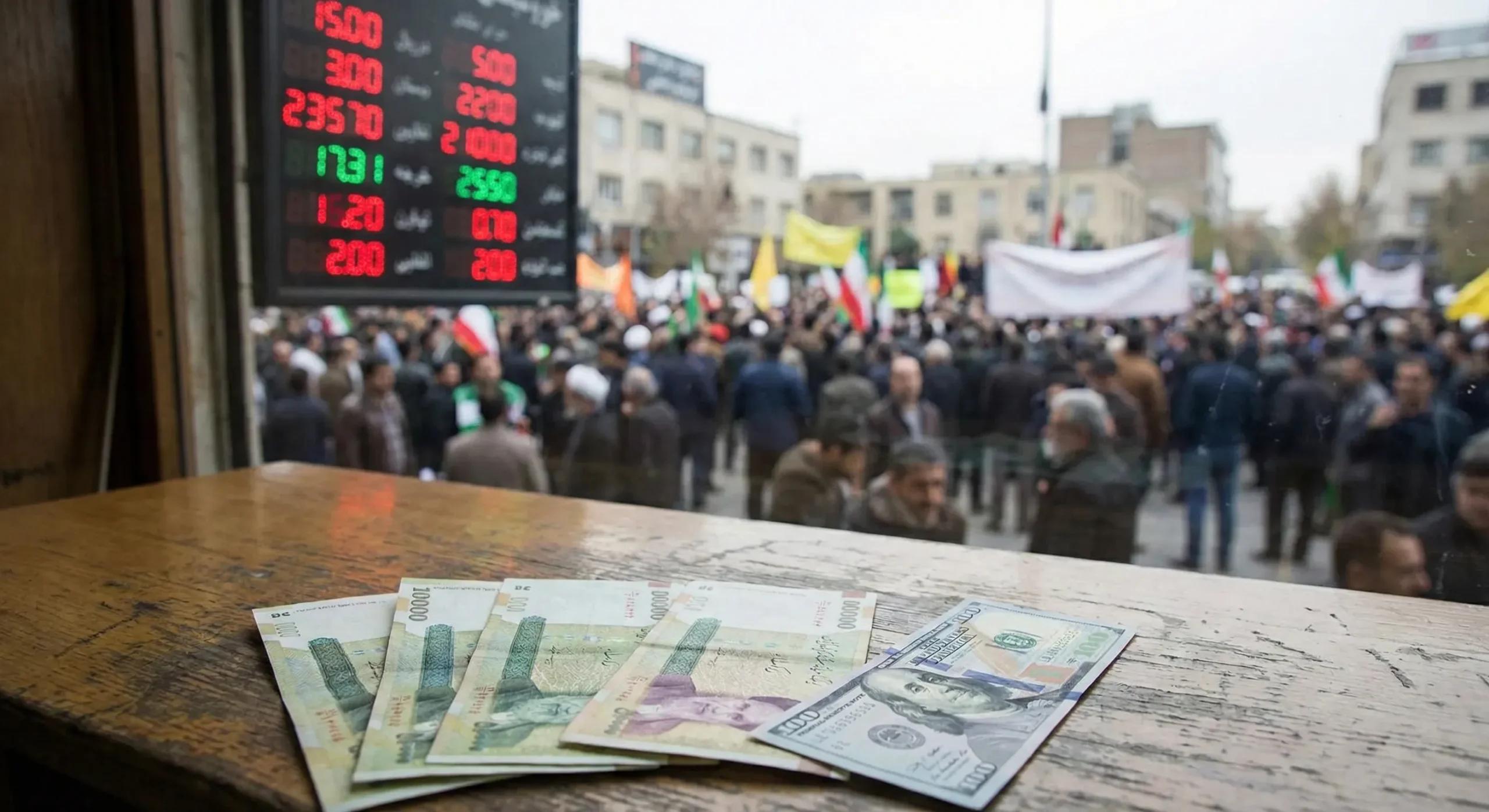
Iran rial record low has intensified domestic unrest as the national currency plunged to an unprecedented 1,500,000 rials against the U.S. dollar on Tuesday, according to multiple Iranian currency tracking websites. The collapse in the iran rial’s value has compounded economic hardship that has ignited protests and widespread public frustration across the country.
Impact of U.S. Sanctions on Iranian Economy
Economists and analysts point to the weight of U.S. sanctions on Iran as a major factor undermining economic stability. Sanctions reimposed and expanded by Washington have choked off Iran’s oil exports, restricted access to foreign currency, and limited financial flows, severely hampering the country’s ability to stabilize its foreign exchange reserves and broader economy. Sanctions have routinely been blamed for inflationary pressures and weaker export revenues for years, weakening investor confidence and limiting Tehran’s policy options.
The Iran rial’s steep depreciation underscores deeper structural issues in Iran’s economy, which has endured years of restricted access to international markets alongside rising inflation and reduced consumer purchasing power. For ordinary Iranians, the rial’s plunge increasingly erodes real incomes and savings.
Government Response and Subsidy Reform
In response to economic turmoil, Iran’s government introduced subsidy reforms aimed at replacing preferential exchange rates with direct transfers to citizens to help cover the cost of essential goods. Officials argue this mechanism was intended to reduce corruption and narrow gaps between official and market exchange rates. However, the adjustments have done little to stabilize currency markets, and critics say they exacerbate cost-of-living pressures without meaningful relief.
Inflation and Daily Hardship
The rapid depreciation of the Iran rial has coincided with soaring inflation, squeezing households as prices for food, transport, fuel, and medicine continue to climb. Iranian households have seen inflation remain persistently high, further diminishing living standards and contributing to growing discontent.
Internet Blackout and Digital Economy
Iran’s online economy has also suffered amid a government-imposed internet blackout that began in early January and remains largely in place. Authorities say security concerns necessitate restrictions, but businesses and citizens report significant losses as digital services are disrupted.
Regional Tensions and Market Reactions
The broader geopolitical climate, including tensions with the United States and regional instability, has further unsettled markets. Iran’s stock market recently experienced a sharp sell-off as investor confidence waned amid economic headwinds, inflationary pressure, and geopolitical uncertainty.
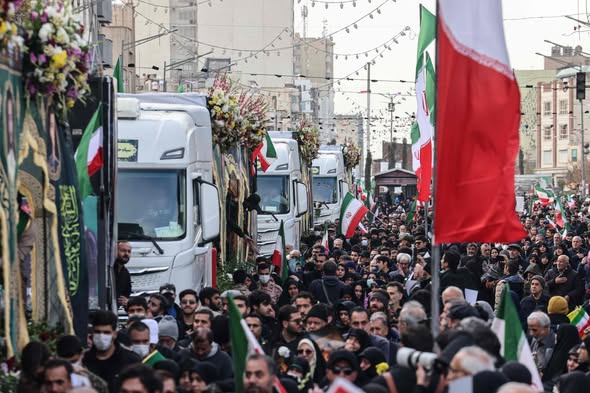
Protests first erupted on December 28 over the rial’s collapse and have evolved into one of the most serious public challenges to the government in recent years, with activists demanding political as well as economic reforms. Although security forces have largely suppressed demonstrations, underlying grievances remain potent and widespread.