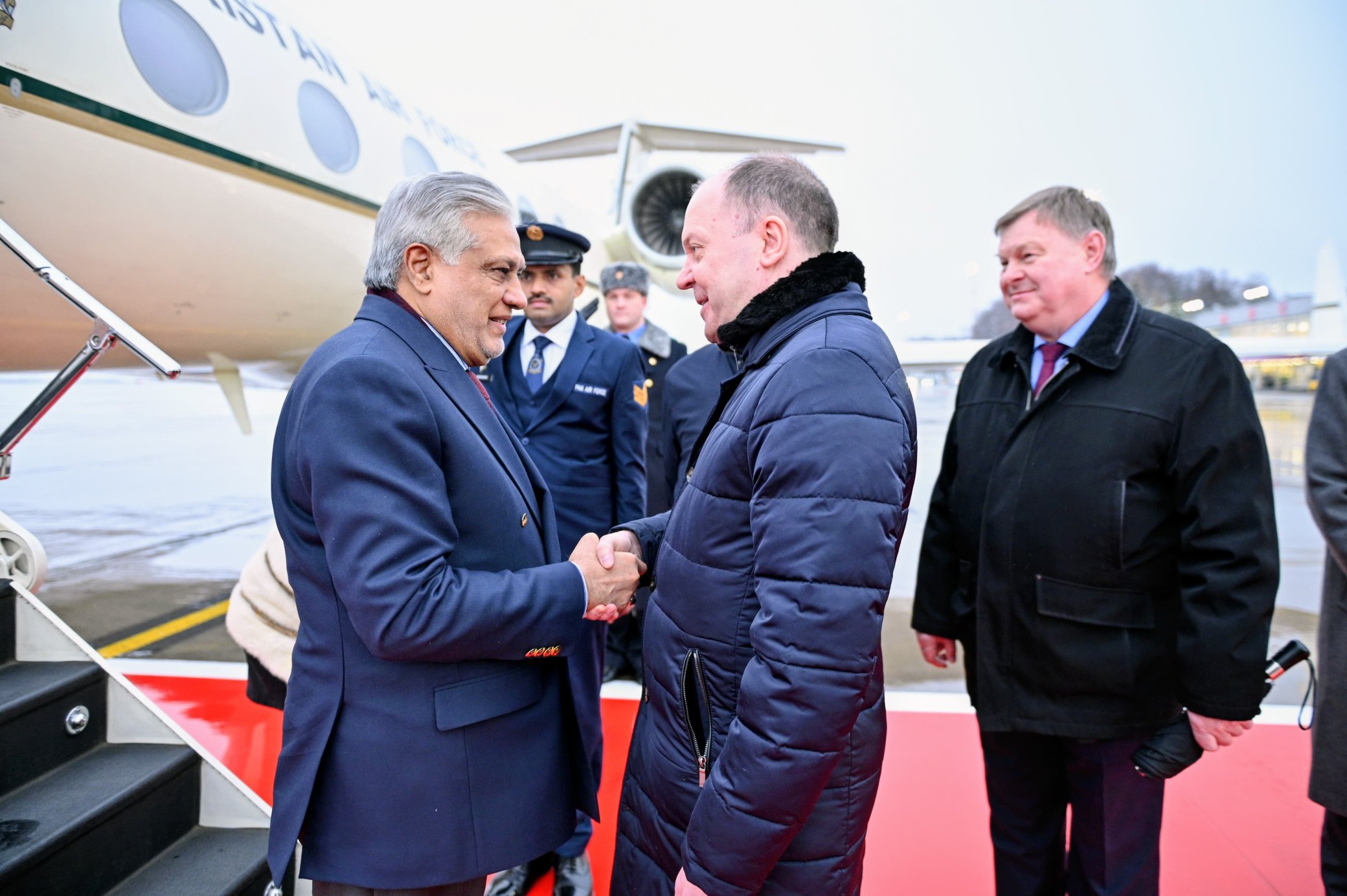
Deputy Prime Minister and Foreign Minister Ishaq Dar arrived in Moscow on Monday to represent Pakistan at the Shanghai Cooperation Organisation (SCO) Council of Heads of Government (CHG) meeting, scheduled from November 17-18. He was welcomed at the airport by Russian Deputy Foreign Minister Mikhail Galuzin, senior officials from the Russian Foreign Ministry, and members of the Pakistani diplomatic mission.
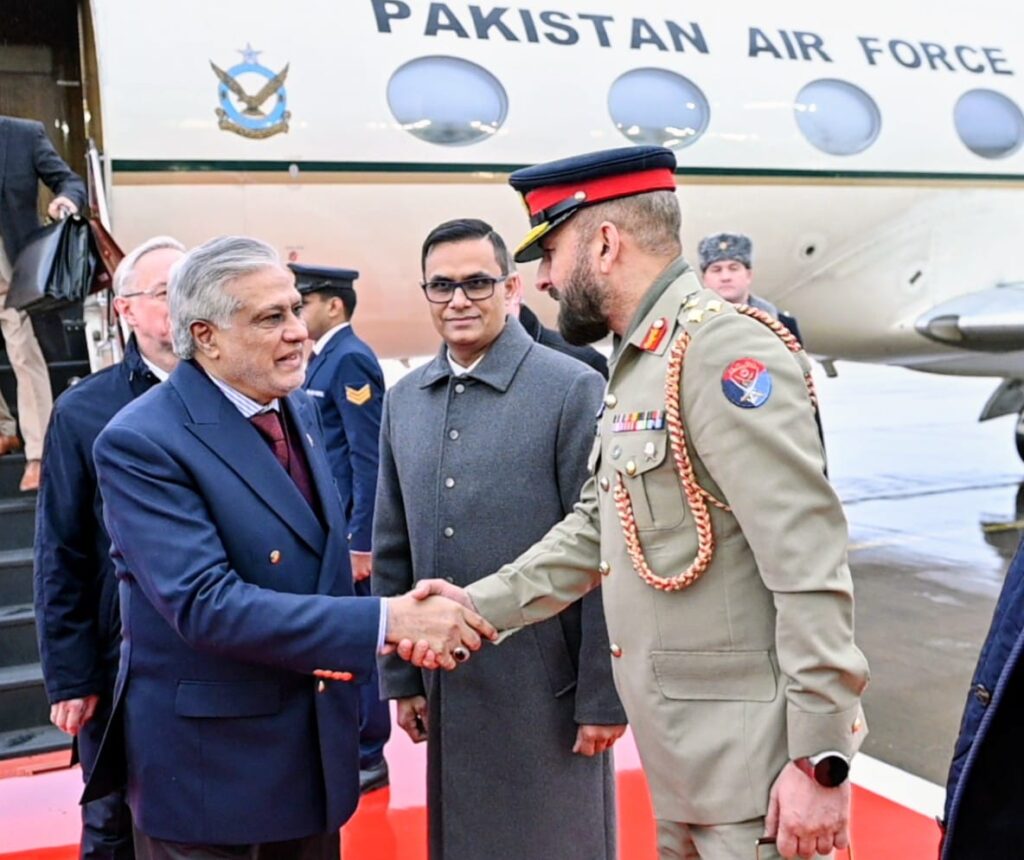
Leading Pakistan’s delegation, Dar accepted the invitation from Russian Prime Minister Mikhail Mishustin. The two-day summit will bring together heads of government from Belarus, China, Kazakhstan, Kyrgyzstan, Russia, Tajikistan, and Uzbekistan, as well as the vice president of Iran and the foreign ministers of Pakistan and India. Representatives from several other countries—including Mongolia, Bahrain, Egypt, Qatar, Kuwait, and Turkmenistan—alongside leaders of regional organisations such as the Commonwealth of Independent States (CIS), Euro-Asian Economic Union (EAEU), and Collective Security Treaty Organisation (CSTO) are also attending.
According to the Foreign Office, Dar will outline Pakistan’s perspective on regional and global issues during his address and explore avenues to enhance cooperation within the SCO framework. The CHG, the second-highest decision-making body in the SCO, manages collaboration in areas like economy, finance, trade, connectivity, and socio-economic development, while also approving joint statements and key organisational decisions.
In addition to the plenary sessions, Dar is scheduled to hold bilateral meetings with leaders of other SCO member states, discussing matters of mutual interest and strengthening Pakistan-Russia relations. This summit follows the previous SCO meeting held in Tianjin, China, from August 31 to September 1. Prime Minister Shehbaz Sharif had earlier announced that Pakistan will host the next SCO summit, underlining the country’s growing role in regional diplomacy.
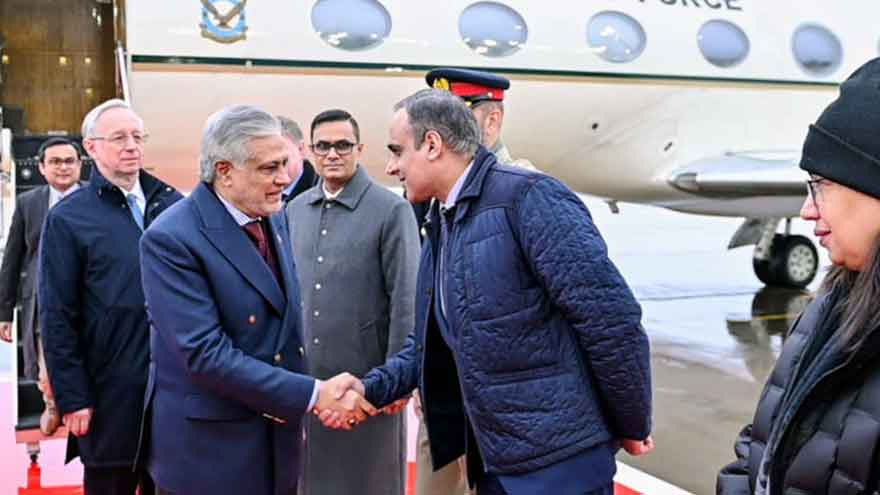
The Moscow visit reflects Pakistan’s continued commitment to deepening engagement with SCO members and reinforcing multilateral cooperation on economic, security, and strategic fronts.