
Table of Contents
Ishaq Dar SCO meeting with the Secretary-General of the Shanghai Cooperation Organisation (SCO) in Bishkek focused on Pakistan’s priorities and strategy for its 2026–27 chairmanship, with the organisation’s secretariat assuring Islamabad of full cooperation during its tenure. The meeting took place on the sidelines of the SCO Council of Heads of State summit.
Ishaq Dar Holds Key SCO Meeting
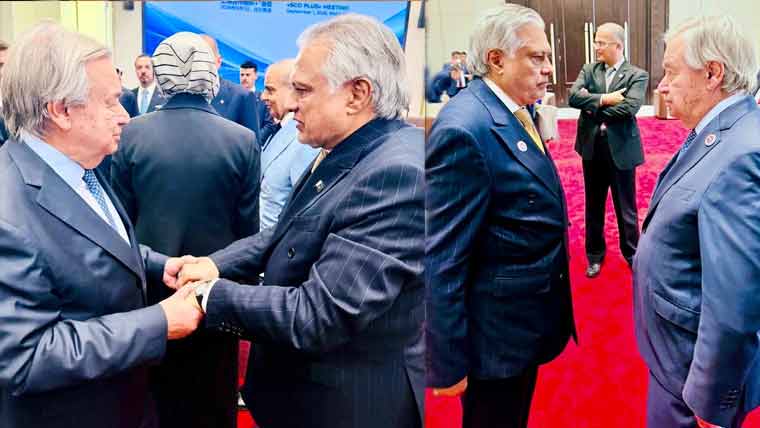
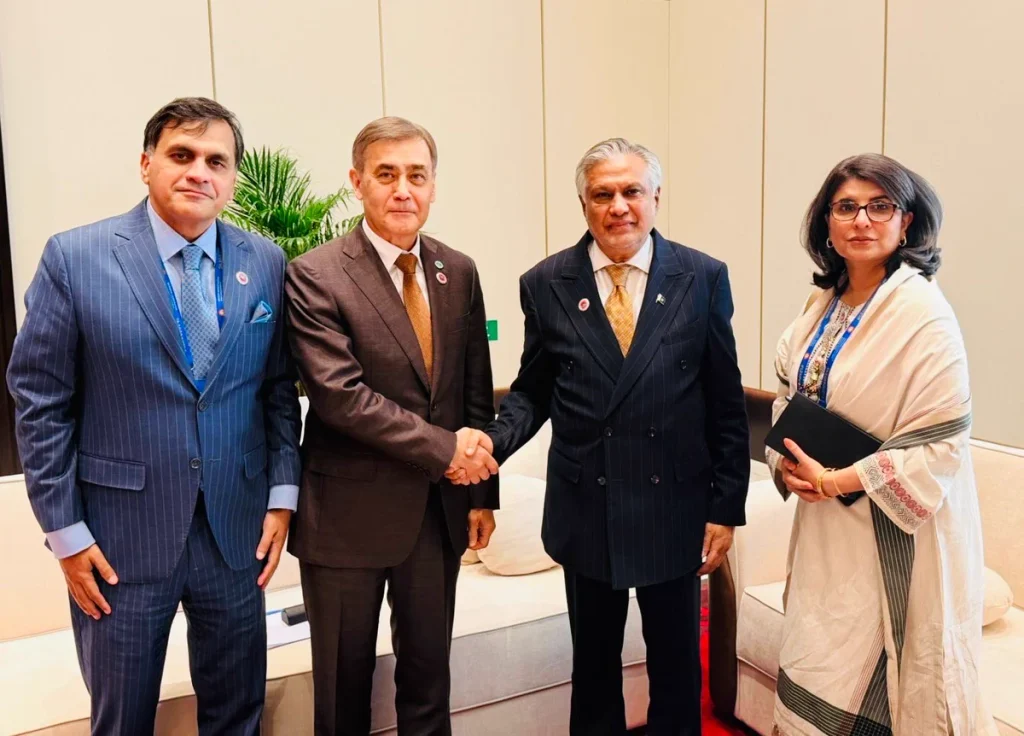
Deputy Prime Minister and Foreign Minister Mohammad Ishaq Dar held discussions with SCO Secretary-General Nurlan Yermekbayev in Bishkek as Pakistan formally assumed the organisation’s rotating chairmanship for 2026–27.
According to official Pakistani sources, the SCO Secretary-General congratulated Pakistan on taking over the chairmanship and expressed support for Islamabad’s proposed approach to leading the organisation over the coming year.
The meeting comes at an important moment for Pakistan’s engagement with the regional grouping, as Islamabad prepares to guide the SCO’s agenda across a range of political, economic, security and connectivity-related areas.
Pakistan’s Priorities for SCO Chairmanship
During the meeting, Ishaq Dar outlined Pakistan’s priorities and proposed strategy for its tenure as chair.
Pakistan has previously indicated that its chairmanship will focus on practical cooperation, regional connectivity, economic collaboration and stronger engagement among member states. Prime Minister Shehbaz Sharif has also identified information technology and artificial intelligence, energy, development and poverty reduction, disaster management, health, culture and sports as priority areas.
Islamabad is expected to use its year-long chairmanship to promote initiatives that can deliver tangible economic and social benefits across the SCO region.
Pakistan’s strategic location also gives it a particular interest in advancing transport and trade connectivity between Central Asia, South Asia and other parts of the Eurasian region.
SCO Secretariat Pledges Full Support
The SCO Secretary-General conveyed his support for Pakistan’s priorities and assured Dar that the SCO Secretariat would extend full cooperation in advancing the organisation’s objectives during Pakistan’s chairmanship.
Both sides agreed that close engagement would be maintained throughout the tenure, with Pakistan and the SCO Secretariat coordinating their efforts to move forward with agreed priorities.
The assurance is significant because the chairmanship requires extensive coordination among member states and SCO institutions before major meetings and initiatives can be implemented.
Continued Coordination Agreed
The meeting also underscored the importance of sustained communication between Islamabad and the SCO Secretariat.
Foreign Secretary Amna Baloch and Pakistan’s National Coordinator for the SCO, Muhammad Faisal, also participated in the meeting. Their presence reflected the broader diplomatic and institutional coordination that will be required during Pakistan’s tenure.
Pakistan has already gained experience in leading SCO-related bodies. It chaired the SCO Regional Anti-Terrorist Structure during 2025–26 and has previously hosted major SCO meetings in Islamabad.
Pakistan’s Broader SCO Role
Pakistan’s new chairmanship is expected to remain a major feature of its regional diplomacy over the next year.
The country is scheduled to host the SCO Council of Heads of State summit in Islamabad in 2027, which Pakistan’s Foreign Office has described as the hallmark of its chairmanship.
Islamabad hosted the SCO Council of Heads of Government meeting in 2024, giving Pakistan prior experience in organising high-level SCO proceedings.
For Pakistan, the 2026–27 chairmanship offers an opportunity to strengthen economic and diplomatic links with SCO members while promoting regional connectivity and cooperation.
The immediate focus, however, will be on translating Pakistan’s proposed priorities into concrete initiatives through continued consultations with member states and the SCO Secretariat.
The Ishaq Dar SCO meeting therefore marks an early step in Islamabad’s effort to build institutional support for its agenda and ensure that its chairmanship produces practical outcomes for the wider region.See More on Pulse Pakistan