Table of Contents
Pakistan Takes Over SCO Chairmanship in Major Diplomatic Move
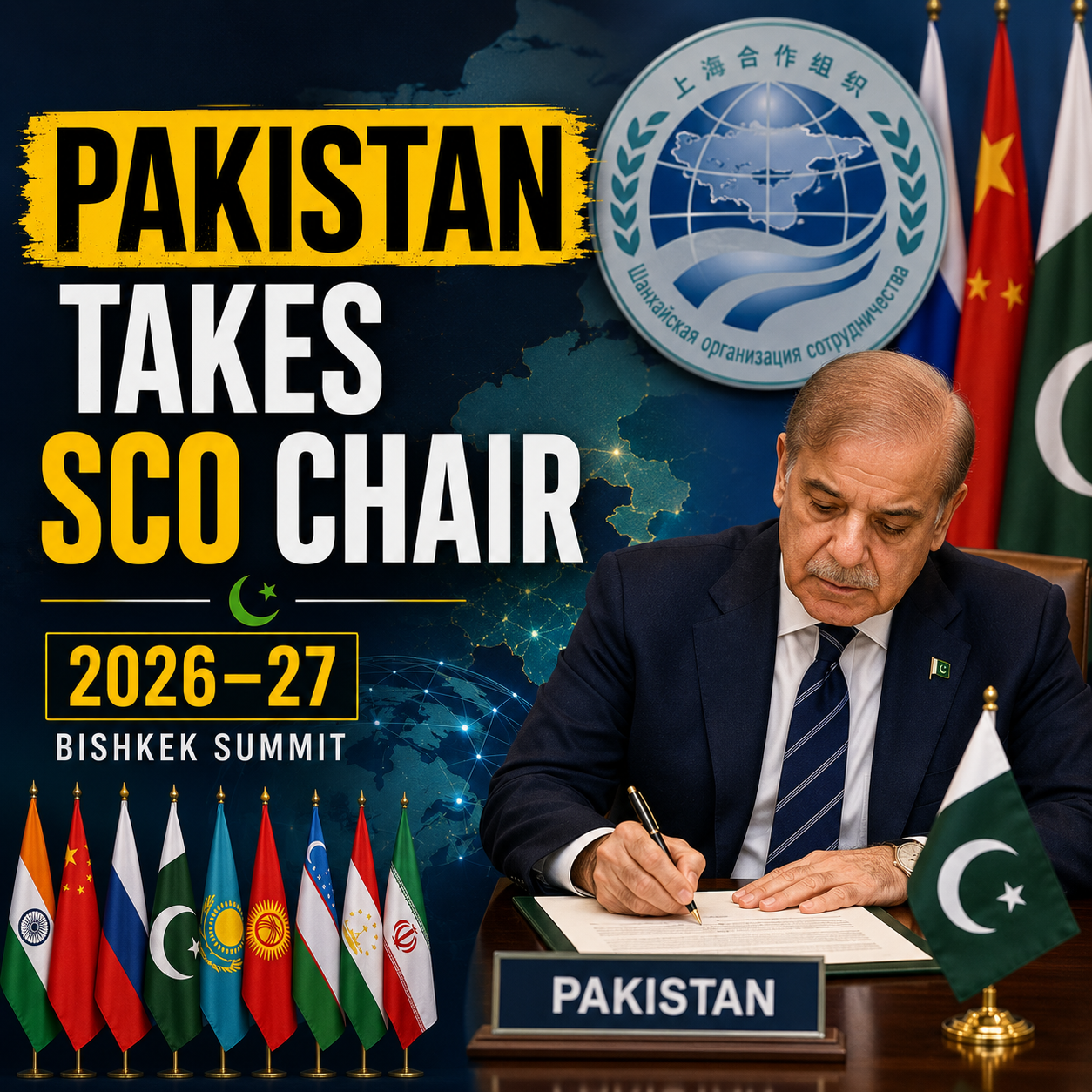
Pakistan SCO chairmanship formally began for the 2026–27 term on Tuesday as Prime Minister Shehbaz Sharif signed the joint declaration at the Shanghai Cooperation Organisation (SCO) Council of Heads of State meeting in Bishkek, Kyrgyzstan. The move places Pakistan in a central role in guiding the regional organisation’s agenda over the coming year.
Pakistan Assumes SCO Leadership
Pakistan took over the rotating chairmanship from Kyrgyzstan at the SCO summit in Bishkek, where leaders of the member states gathered for the organisation’s 26th Council of Heads of State meeting.
The formal transition had been announced ahead of the summit by Pakistan’s Foreign Office, which said Islamabad would assume the one-year chairmanship and host the next SCO summit in Pakistan in 2027.
The SCO brings together 10 member states, including China, Russia, India, Iran, Pakistan, Belarus, Kazakhstan, Kyrgyzstan, Tajikistan and Uzbekistan, making its chairmanship diplomatically significant for Islamabad.
Shehbaz Sharif Signs Declaration
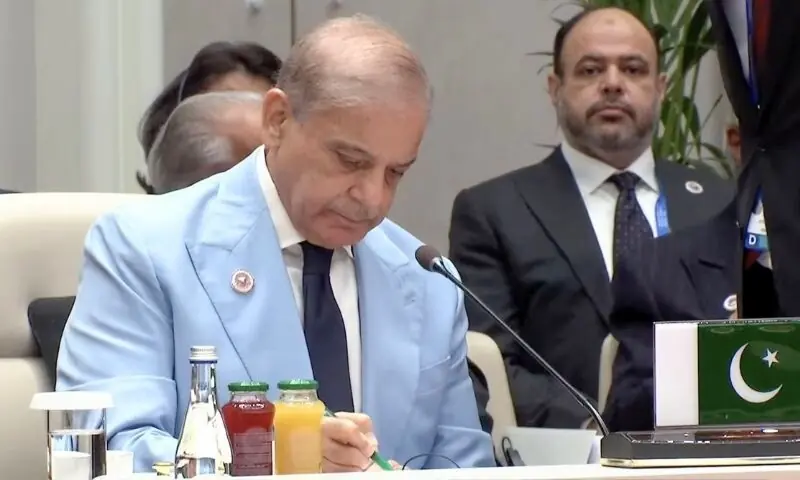
Prime Minister Shehbaz Sharif signed the joint declaration during the formal proceedings in Bishkek.
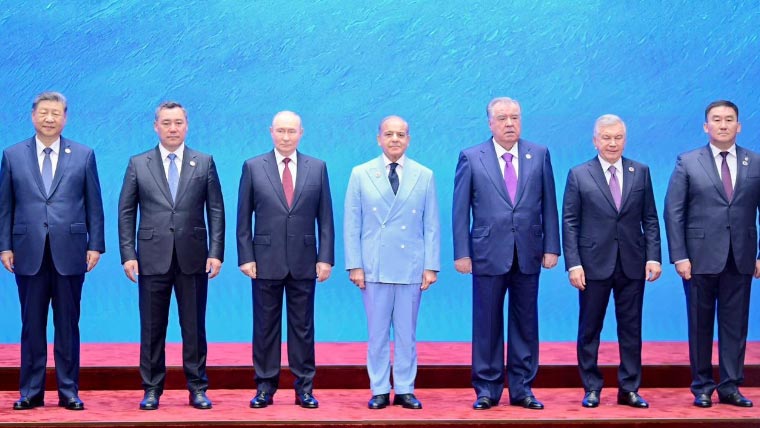
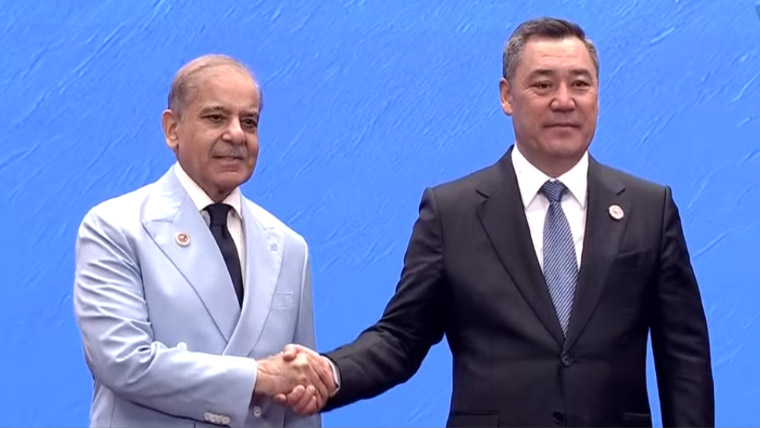
Before the meeting, Kyrgyz President Sadyr Zhaparov warmly received the Pakistani prime minister at the venue. Shehbaz Sharif also joined other participating leaders for a group photograph before the formal summit discussions began.
The Bishkek Declaration sets out broader commitments on regional cooperation, including security, trade, technology and sustainable development. SCO leaders also adopted additional documents dealing with areas such as transport, energy, information security and counter-narcotics cooperation.
Pakistan’s Priorities for the Chairmanship
Addressing the summit, Shehbaz Sharif outlined Islamabad’s priorities for its year at the helm of the organisation.
The prime minister said Pakistan would focus on information technology and artificial intelligence, energy, development and poverty reduction, disaster management, health, culture and sports. He also proposed an SCO sovereign AI infrastructure and governance framework aimed at promoting responsible and inclusive technological development.
Pakistan will conduct its chairmanship under the theme “Turning Vision into Action: Connectivity, Innovation and Shared Prosperity.” The government has indicated that regional connectivity and practical cooperation will be central to its approach.
Islamabad to Host SCO Summit in 2027
One of the most important elements of Pakistan’s new role will be hosting the next SCO Council of Heads of State summit in Islamabad in 2027.
The Foreign Office previously described the Islamabad summit as the hallmark of Pakistan’s chairmanship. The upcoming year will therefore give Pakistan an opportunity not only to coordinate the organisation’s agenda but also to showcase its role as a regional hub for diplomacy, connectivity and economic cooperation.
The chairmanship also follows Pakistan’s previous engagement with SCO institutions. Islamabad hosted the SCO Council of Heads of Government meeting in 2024 and has chaired other SCO-related bodies and initiatives.
PM Calls for Regional Cooperation
In his address, Shehbaz Sharif stressed the importance of peaceful dispute resolution, multilateralism and stronger regional cooperation.
He called for greater connectivity among SCO members and highlighted transport, energy and digital infrastructure as areas where cooperation could generate practical benefits.
The prime minister also warned against using water as a political instrument, saying shared-water agreements must be respected. His remarks came as Pakistan continues to emphasize the importance of international law and treaty obligations in regional affairs.
On security, Shehbaz Sharif reiterated Pakistan’s position that terrorism must be condemned in all its forms and called for stronger regional efforts against militant networks.
A Larger Diplomatic Role for Pakistan
The Pakistan SCO chairmanship gives Islamabad an opportunity to deepen engagement with major Eurasian powers while promoting its economic and connectivity priorities.
During the chairmanship, Pakistan is expected to remain engaged with SCO members on trade, investment, energy, transport, technology and regional security.
The transition also comes at a time when the SCO is seeking greater cooperation across a rapidly changing geopolitical and economic landscape. For Pakistan, the challenge will be to translate its stated priorities into practical initiatives while maintaining consensus among the organisation’s diverse membership.
With the 2027 summit scheduled for Islamabad, Pakistan’s chairmanship is likely to remain an important feature of the country’s foreign-policy calendar throughout the coming year.See More on Pulse Pakistan