Table of Contents
Islamabad Court Verdict has drawn significant attention after a recent amendment addressed a disputed element in a high-profile social media case.
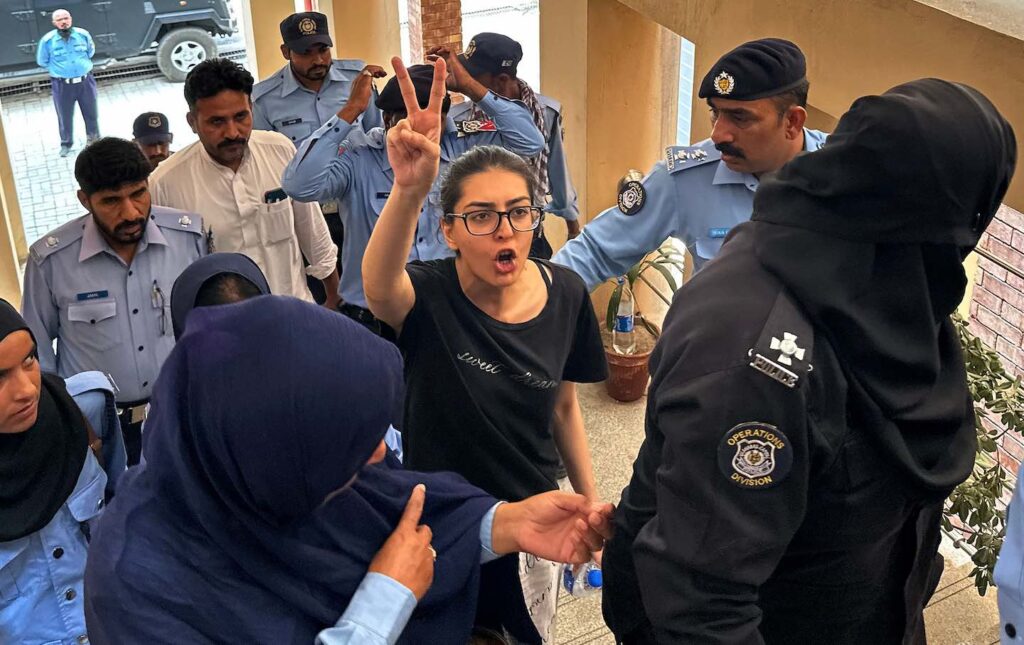
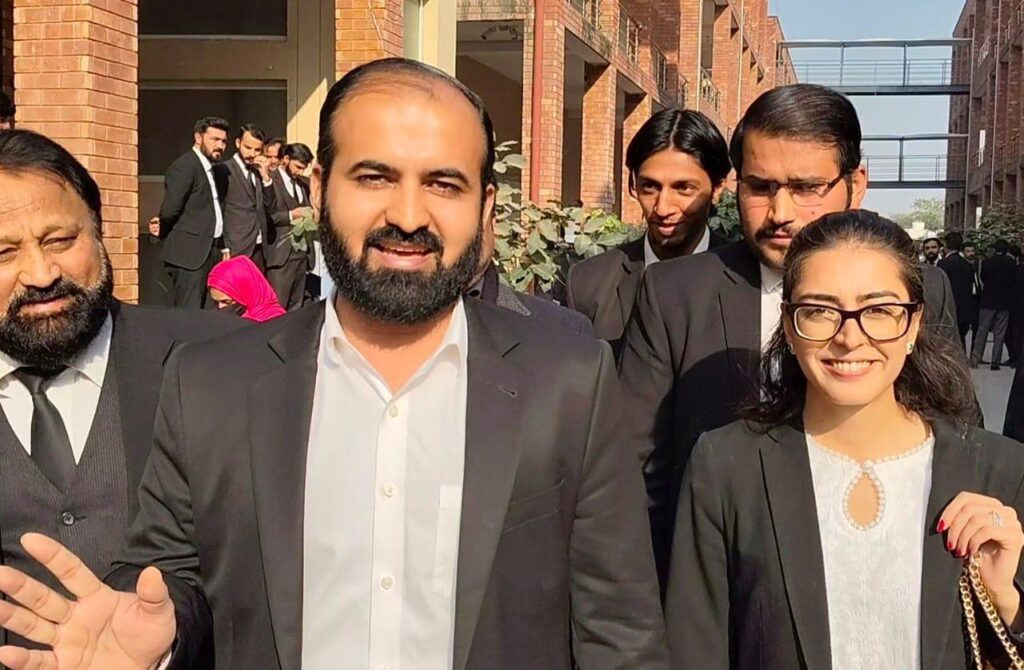
In a move to uphold judicial precision, an Islamabad sessions court has amended its judgment in the conviction of human rights lawyer Imaan Zainab Mazari-Hazir and her husband, advocate Hadi Ali Chattha. The pair was sentenced last week to a combined 17 years in prison under Pakistan’s Prevention of Electronic Crimes Act (PECA) for posts alleged to promote anti-state narratives.
Background of the Case
The case stems from social media activity between 2021 and 2025, where prosecutors accused Mazari and Chattha of disseminating content that aligned with proscribed organizations, incited ethnic divisions, and portrayed state institutions negatively. Specific allegations included references to enforced disappearances in regions like Balochistan and Khyber Pakhtunkhwa, blaming security forces for such issues, and labeling Pakistan as a “terrorist state.”
Additional District and Sessions Judge Muhammad Afzal Majoka presided over the trial. The verdict imposed rigorous imprisonment: five years and a Rs. 5 million fine each under Section 9 for glorification of offenses, ten years and Rs. 30 million each under Section 10 for cyber terrorism, and two years with Rs. 1 million each under Section 26-A for spreading false information. The sentences run concurrently, with additional jail time possible for unpaid fines.
Mazari, daughter of former human rights minister Shireen Mazari, and Chattha have been vocal critics of military involvement in civilian affairs. They deny the charges, claiming persecution for advocating human rights. International groups like Amnesty International and the International Commission of Jurists have condemned the conviction as arbitrary, urging their release and highlighting misuse of PECA to stifle dissent.
Source: Online
The Controversial Paragraph
The original judgment included a paragraph—numbered 36 on page 18—that listed Cuba, the Democratic People’s Republic of Korea, Iran, and Syria as “designated terrorist states.” This was used to contrast with the accused’s alleged depiction of Pakistan in similar terms, emphasizing that Pakistan is not on such a list.
The reference sparked immediate backlash, as no official international designation of “terrorist states” exists under United Nations frameworks or global law. Critics argued it introduced unsubstantiated geopolitical commentary into a domestic cybercrime case.
Judicial Correction and Reasoning
Judge Majoka issued an order under Section 152 of the Code of Criminal Procedure to expunge the paragraph. He described it as a “clerical mistake” inadvertently included during final printing, despite being flagged for deletion earlier.
The stenographer confirmed in a written reply that the sentence was removed during corrections but reappeared due to a bona fide error. The judge noted the statement lacked support from any statutory provision, judicial precedent, executive notification, international instrument, or authoritative reference, deeming it “vague and ambiguous.”
This amendment ensures the verdict focuses solely on the charges at hand, avoiding extraneous observations that could complicate diplomatic relations.
Foreign Office Response
Pakistan’s Foreign Office swiftly distanced itself from the original remark. Spokesperson Tahir Hussain Andrabi stated during a weekly briefing that the government “does not subscribe” to the judge’s opinion.
He clarified: “This kind of designation does not exist either in the UN parlance or under international law.” The response underscores Islamabad’s commitment to neutral foreign policy, particularly with nations like Iran, amid ongoing regional tensions.
Broader Implications
The case highlights growing concerns over PECA’s application in curbing online expression. Human rights advocates argue it exemplifies judicial harassment of critics, with Mazari and Chattha facing multiple other charges, including anti-terrorism counts related to protests.
The correction may set a precedent for reviewing judgments with factual inaccuracies, but it does little to address calls for bail or acquittal. As appeals loom, the episode raises questions about freedom of speech in Pakistan’s digital landscape.
This Islamabad Court Verdict amendment reflects efforts to maintain judicial integrity amid public scrutiny.