Table of Contents
Full News Article
LNG arrival ends loadshedding in Pakistan, marking a major shift in the country’s short-term electricity situation as the government claims restoration of stable power supply following fresh liquefied natural gas imports.
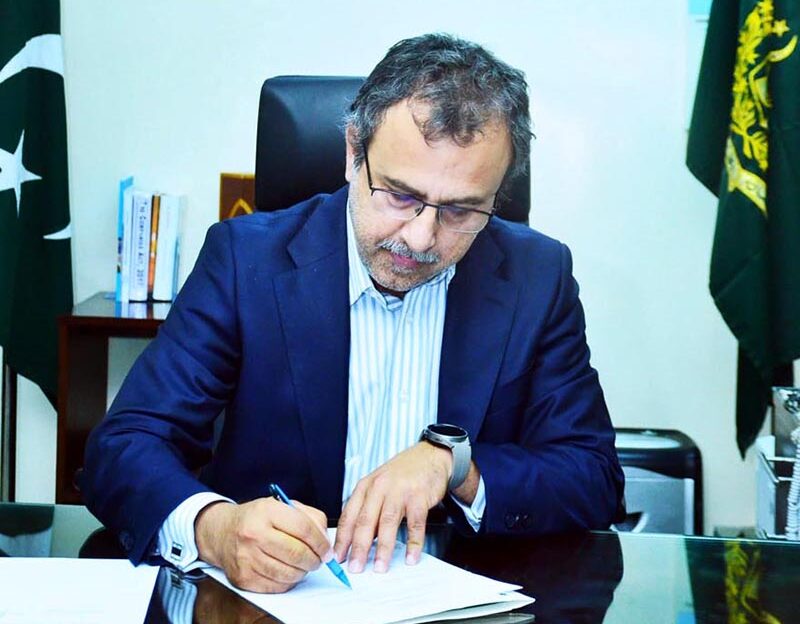
The announcement was made by Minister for Power Awais Ahmed Khan Leghari, who stated that electricity load management has effectively ended after the arrival of new LNG shipments. However, he cautioned that reliance on expensive fuel sources may increase financial pressure on consumers.
LNG Shipment Restores Power Supply
According to official briefing details, Pakistan recently received a new LNG cargo that enabled authorities to restore normal electricity generation levels. The shipment was delivered through the vessel Seapeak Magellan, which docked at the Pakistan GasPort terminal and fed re-gasified LNG into the national grid.
The cargo, carrying approximately 140,000 cubic metres of LNG, was arranged at a price of $18.40 per million British thermal units (mmbtu). Officials confirmed that this marks the first LNG arrival after a gap of several weeks.
Government sources also indicated that additional LNG shipments are being planned for early May to ensure continued supply stability.
Cost Concerns and Fuel Dependency
While confirming that LNG arrival ends loadshedding, the power minister warned that increased dependence on imported LNG and other expensive fuels could significantly raise generation costs.
He explained that recent gas shortages were linked to supply disruptions, including reduced imports from key partners due to geopolitical tensions. As a result, the government was forced to rely on costlier LNG purchases to maintain electricity production.
The minister emphasized that although the immediate crisis has been managed, long-term reliance on high-cost fuel could translate into higher electricity tariffs for consumers.
Hydropower and Generation Mix
Leghari highlighted that hydropower generation has significantly improved, rising to around 6,000 megawatts compared to nearly 1,000 megawatts earlier in the crisis period. This increase helped stabilize overall supply conditions.
He added that water releases from dams are managed based on technical requirements and provincial demands, ensuring balanced distribution across regions.
In addition to hydropower, thermal plants using furnace oil and other fuels were temporarily activated to bridge the supply gap during the shortage period.
Government Outlook on Future Supply Stability
The minister expressed confidence that electricity supply will remain stable provided transmission infrastructure continues to function without disruption. He stated that recent outages, which lasted nearly two weeks, were temporary and linked primarily to fuel shortages rather than system failure.
Leghari also clarified that Pakistan’s total electricity generation capacity stands at around 32,000 megawatts, correcting widely circulated higher estimates.
He assured that proactive planning and improved fuel management strategies are being implemented to reduce the risk of future load management cycles.