Table of Contents
Full News Article
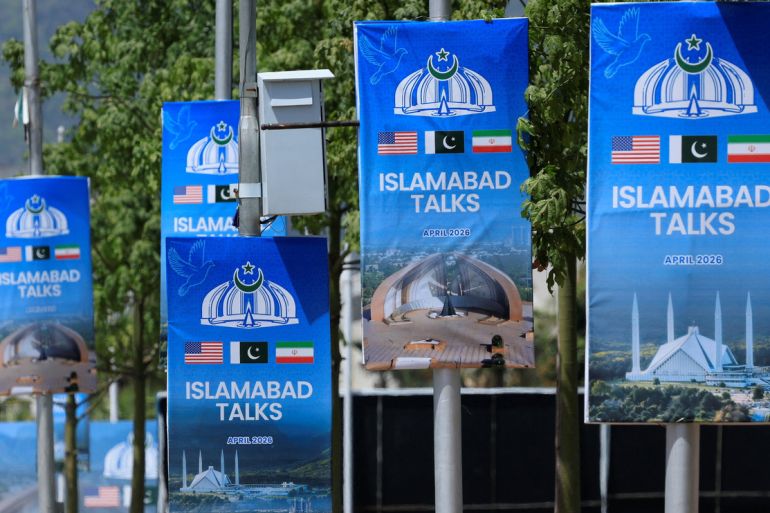
Iran Peace Proposal has emerged as a fresh diplomatic development in the ongoing tensions between Iran and the United States, with Pakistan playing a key mediating role. The proposal, delivered to Islamabad on Thursday evening, signals a potential reopening of stalled negotiations after weeks of fragile calm.
Proposal Delivered Through Pakistan
According to Iranian state media, the latest Iran Peace Proposal was formally handed to Pakistani authorities, who are expected to act as intermediaries in facilitating dialogue with Washington. The move comes after direct negotiations between Tehran and Washington broke down following a single unsuccessful round of talks.
Pakistan’s involvement highlights its growing diplomatic relevance in regional conflict resolution, especially at a time when tensions continue to ripple across global markets.
Ceasefire Holds Despite Failed Talks
The conflict, which began with coordinated strikes involving the United States and Israel on February 28, has remained under a ceasefire since April 8. Despite the absence of active combat, progress toward a permanent resolution has been limited.
Senior Iranian judicial official Gholamhossein Mohseni Ejei reiterated Tehran’s stance, emphasizing that while Iran is open to negotiations, it will not accept imposed conditions. He also made it clear that Iran seeks to avoid further escalation and does not support a return to war.
Economic Fallout and Global Impact
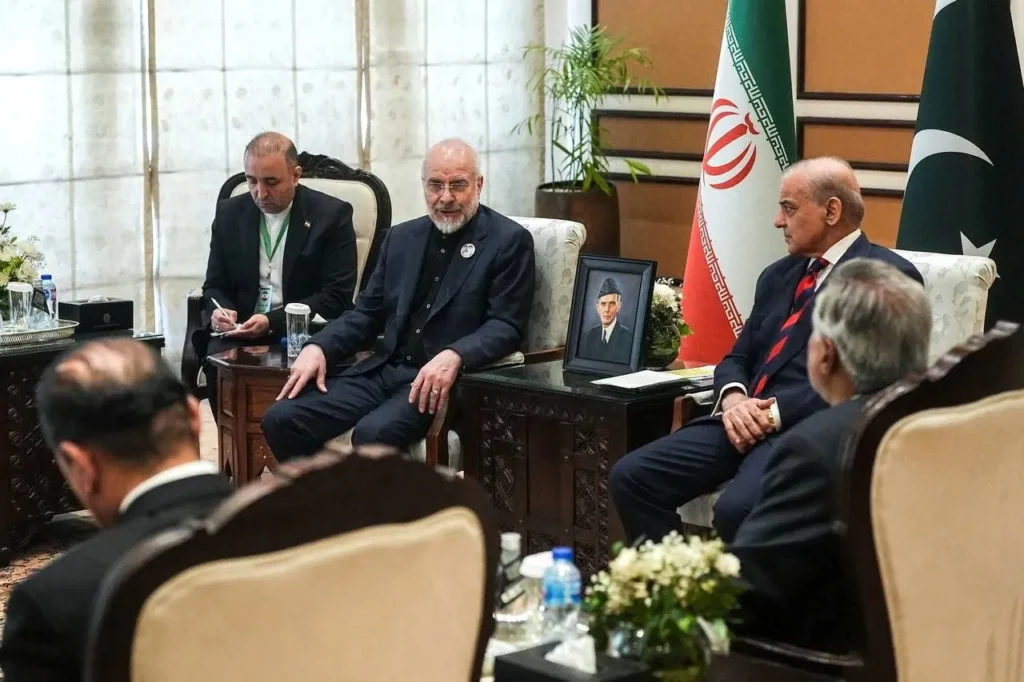
The ongoing crisis has significantly disrupted global trade, largely due to Iran’s continued control over the strategically vital Strait of Hormuz. This chokepoint is essential for the transportation of oil, gas, and fertilizers.
As a result, global oil prices remain elevated—more than 50% higher than pre-conflict levels—fueling inflation concerns worldwide. The economic ripple effects have forced institutions like the European Central Bank to adopt cautious monetary policies.
Inside Iran, economic conditions have worsened sharply. Inflation has surged beyond 50%, exacerbating financial strain on households already affected by long-standing international sanctions.
US Domestic Pressure and Legal Debate
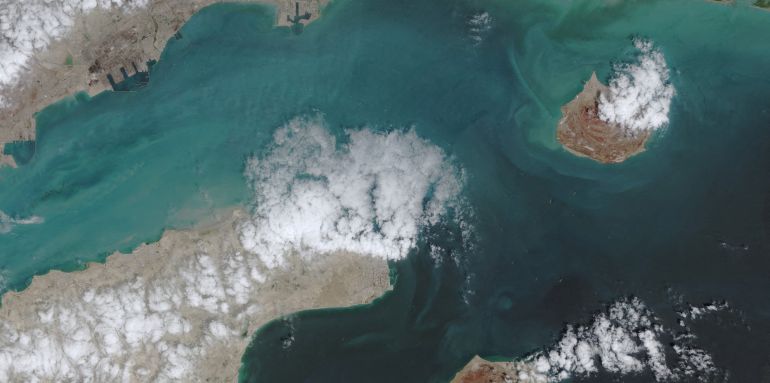
In Washington, the conflict has triggered political and legal scrutiny. Donald Trump faces mounting pressure over the prolonged standoff, particularly with midterm elections approaching.
A key issue under debate is whether the administration complied with the War Powers Resolution, which requires congressional approval for extended military engagements. Officials argue that the ceasefire effectively pauses the legal timeline, though critics remain unconvinced.
Meanwhile, economic indicators show strain within the US as well, with inflation rising to 3.5% and growth slowing, partly due to disruptions linked to the conflict.
Strait of Hormuz and Global Shipping Crisis
Efforts to reopen the Strait of Hormuz have become a central focus of international diplomacy. The United States has announced a new maritime initiative, termed the “Maritime Freedom Construct,” aimed at restoring shipping routes.
European allies, including France and Britain, are pursuing parallel efforts to establish a multinational coalition. While initially appearing separate, officials have stated that both initiatives are intended to complement each other rather than compete.
However, progress remains contingent on achieving broader peace agreements, making the Iran Peace Proposal a critical development in determining the next phase of diplomacy.
Conclusion
The Iran Peace Proposal represents a cautious yet meaningful step toward reviving long-stalled dialogue between Tehran and Washington, signaling a potential shift in a relationship long defined by tension and mistrust. While the initiative does not guarantee immediate breakthroughs, it opens the door for renewed diplomatic engagement at a time when both regional stability and global economic conditions are increasingly fragile. Significant challenges remain firmly in place, including deep-rooted geopolitical rivalries, ongoing economic sanctions, security concerns, and decades of mutual suspicion that cannot be resolved overnight.
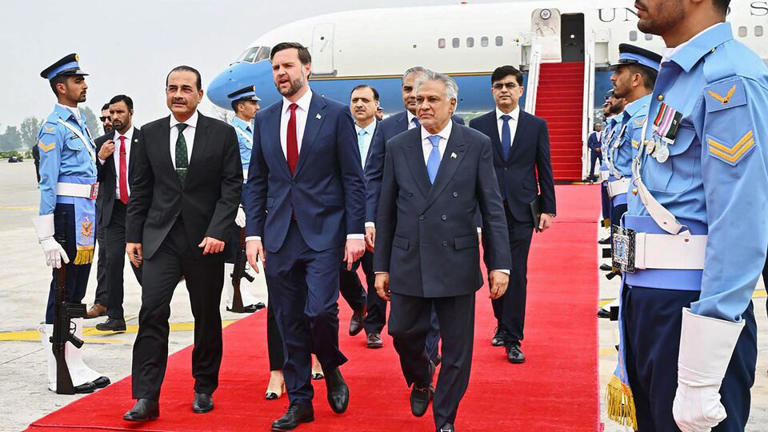
In this complex landscape, Pakistan’s role as a mediator introduces a constructive and potentially influential dimension to the process. Its involvement may help bridge communication gaps, build confidence, and create a more neutral platform for dialogue. With global markets reacting sensitively to developments in the region and international stakeholders closely monitoring every move, the coming weeks will be critical. They will ultimately determine whether this proposal can evolve into tangible diplomatic progress or fade into yet another missed opportunity in a long history of unresolved tensions.