Table of Contents
Full News Article
Makkah Airport Project Overview
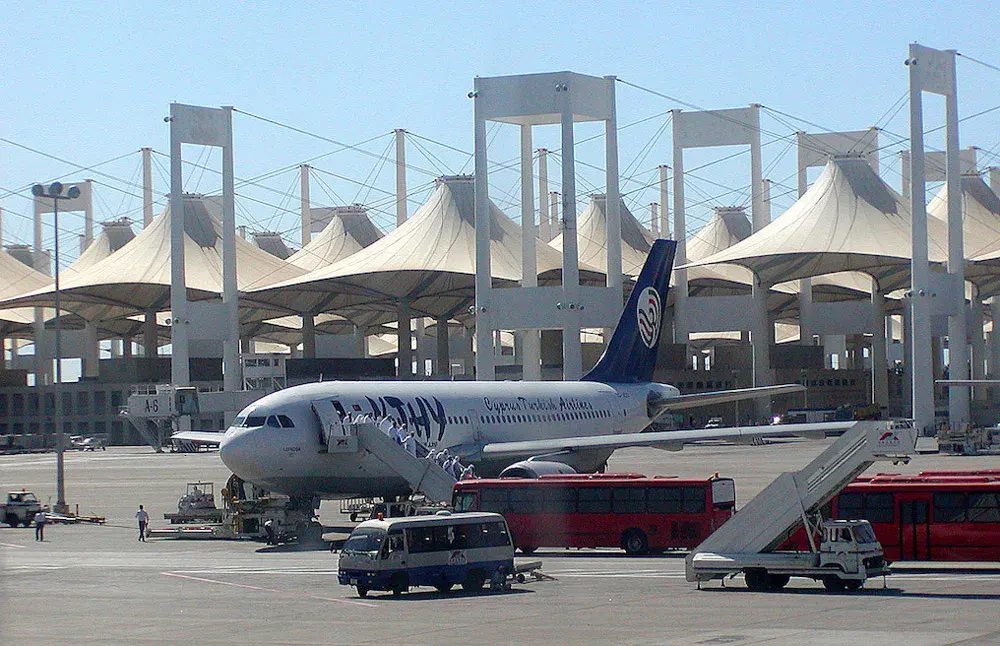
Makkah Airport has received full approval from Saudi authorities, signaling a major upgrade for pilgrim travel. Saleh Al-Rasheed, CEO of the Royal Commission for Makkah City and the Holy Sites, confirmed that all strategic and economic plans have been finalized.
The airport will be built to global standards, ensuring smooth arrivals and departures for millions of pilgrims visiting Makkah each year. The project will involve private-sector partnerships while maintaining feasibility for nearby airports.
Metro and Transport Improvements
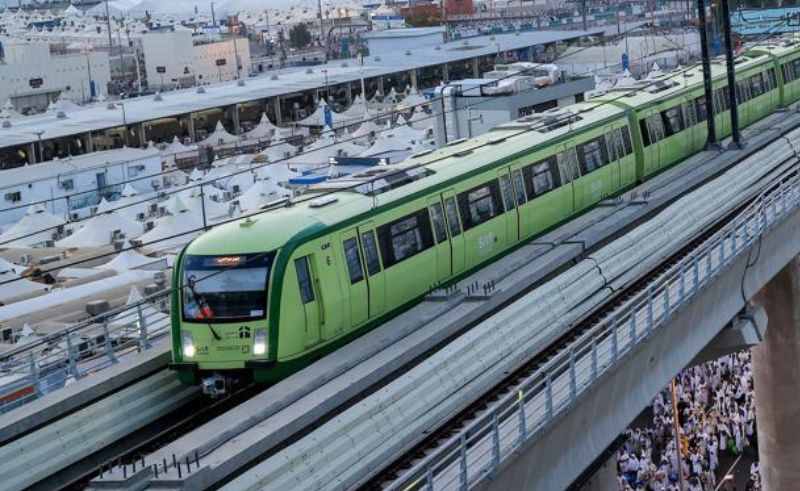
The Makkah Metro feasibility studies and preliminary designs have been completed. In addition, the city’s bus network operates 400 buses across 12 routes, serving 430 stops and four central stations.
The “Makkah Taxi” program has been launched, featuring modern, electric, and hybrid vehicles with tracking and electronic payment systems. Since February 2022, over 185 million passengers have used the city’s transport services for more than 3.8 million trips.
Smart Makkah Initiative
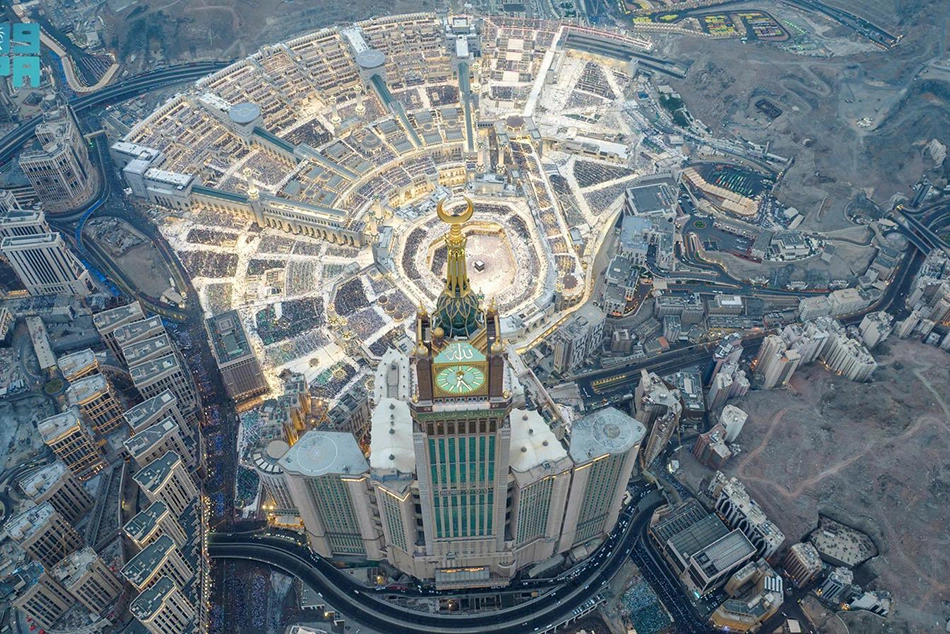
The Smart Makkah program leverages artificial intelligence to manage crowd movement at the Grand Mosque and other key sites. Predictive systems monitor Jamarat Bridge and central zones, while aerial imaging integrated with the “Balady” app enhances pilgrim experience and crowd safety.
Infrastructure and Urban Development
Major roads, including the first, second, and third ring roads, have been completed and linked to key routes leading to the Grand Mosque, such as King Abdulaziz Road and Ibrahim Al-Khalil Road.
Infrastructure improvements around the Grand Mosque include 60 maintenance buildings and 32 electric escalators. Developments in Arafat, Mina, and other pilgrimage areas include residential towers for 27,000 pilgrims, two-story tents, and a 200-bed emergency hospital.
Pedestrian spaces have increased by 127%, and more than 30,000 square meters of shaded areas have been added to improve comfort and crowd flow.
Pilgrim Services and Sustainability Efforts
Sustainability measures include planting 20,000 trees, developing water-cycle complexes, and building shaded and cooled walkways spanning 285,000 square meters. Integrated waste management projects have saved over SR310 million.
The West Jamarat station allows Tawaf Al-Ifadah completion in just 20 minutes with a capacity of 20,000 pilgrims per hour. Six new public markets have been developed, and three existing ones upgraded.
Impact on Residents and Visitors
The Royal Commission aims to raise satisfaction levels among residents and pilgrims to 90.5% by 2025. Through upgraded transport, services, housing, and crowd management, Makkah is being transformed into a modern, safe, and efficient city for millions of visitors annually.
Millions of pilgrims from Pakistan travel to Saudi Arabia each year for Hajj — including those whose Hajj flights from Pakistan begin on April 18 as part of this year’s operation