Table of Contents
Full News Article
The Middle East Crisis deepened on Friday as military tensions, diplomatic outreach, and regional security concerns unfolded simultaneously across several countries. Developments ranging from Pakistan’s diplomatic efforts to Israel’s expanding military operations and strategic preparedness in Gulf states highlight the widening implications of the conflict.
Pakistan Steps Up Diplomacy Amid Escalating Crisis
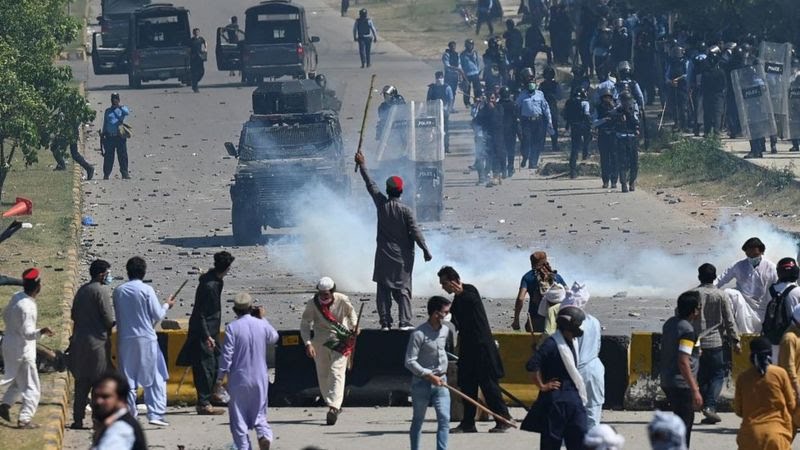
Pakistan has intensified diplomatic efforts to prevent further escalation in the Middle East Crisis, with Prime Minister Shehbaz Sharif reportedly undertaking an emergency visit to Saudi Arabia after holding a telephone conversation with Iranian President Masoud Pezeshkian.
According to Prime Minister’s Adviser on Political Affairs Rana Sanaullah, the visit was part of Islamabad’s broader initiative to encourage dialogue and de-escalation among key regional players.
Speaking during a television appearance, Sanaullah noted that Pakistan’s leadership is maintaining continuous contact with Muslim nations to prevent the conflict from spiraling further.
The adviser also pointed to an existing defence cooperation agreement between Pakistan and Saudi Arabia, emphasizing that Islamabad remains committed to fulfilling its obligations under the pact while simultaneously pursuing diplomatic solutions.
Analysts say Pakistan’s proactive engagement reflects concern that prolonged instability in the Middle East could impact regional security, trade routes, and global energy markets.
Israel Expands Military Strategy Against IRGC
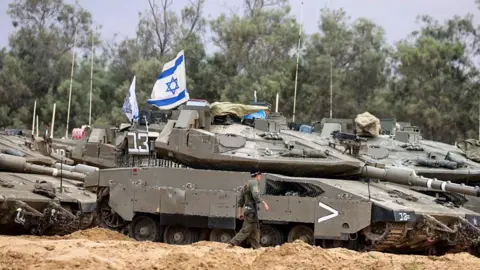
Meanwhile, the Middle East Crisis entered a new military phase as Israel intensified operations targeting positions linked to Iran’s elite Islamic Revolutionary Guard Corps (IRGC).
Sources familiar with Israel’s strategy told Reuters that several checkpoints operated by IRGC personnel were targeted based on intelligence from informants inside Iran.
The operations form part of a broader joint military campaign involving the United States and Israel aimed at degrading Iran’s military and strategic capabilities.
Israeli leadership has repeatedly stated that its objectives include dismantling Iran’s military infrastructure and weakening its nuclear development capacity. Officials have also indicated that the campaign could create internal political pressure on the Iranian government, although they acknowledge that regime change remains uncertain.
Security experts warn that continued strikes could widen the conflict beyond current theaters of operation.
Sri Lanka Repatriates Iranian Sailors Killed in Attack
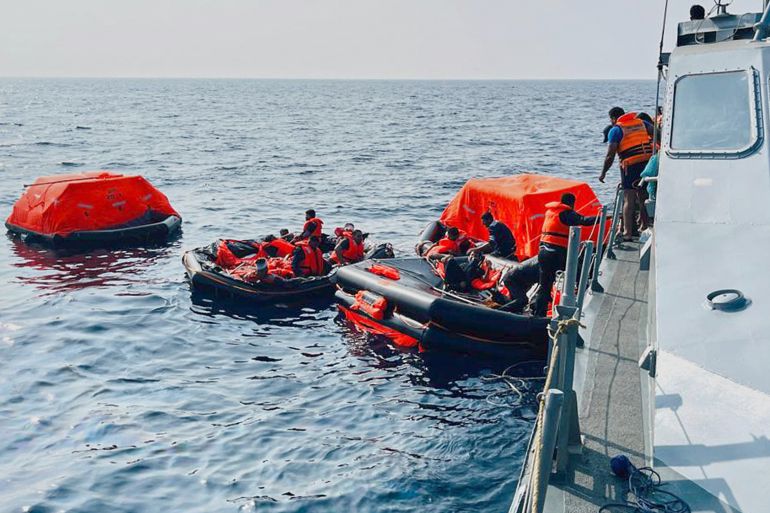
In another development tied to the Middle East Crisis, authorities in Sri Lanka confirmed the repatriation of the remains of 84 Iranian sailors who died when their naval frigate was destroyed earlier this month.
The vessel, identified as IRIS Dena, was reportedly torpedoed on March 4 by a United States submarine near Sri Lanka’s southern waters.
Officials at Mattala Rajapaksa International Airport confirmed that an Iranian charter aircraft departed carrying sealed coffins containing the sailors’ remains.
The incident marked a rare extension of the Middle East conflict into the Indian Ocean, underscoring concerns that maritime routes could increasingly become part of the broader confrontation.
Qatar Assures Strategic Food and Water Reserves
Amid growing regional uncertainty, Qatar sought to reassure citizens about national preparedness.
Interior Minister Sheikh Khalifa bin Hamad Al Thani stated that Qatar’s strategic water reserves can sustain the country for four months, while food reserves are sufficient for approximately 18 months.
Officials emphasized that the government has long prioritized supply resilience and contingency planning to safeguard essential resources during periods of regional instability.
Regional Security Outlook Remains Fragile
Despite diplomatic efforts and national preparedness measures, the Middle East Crisis continues to raise alarm across the region.
The involvement of major powers, expanding military operations, and the risk of disruptions to global shipping routes have heightened international concern.
Governments throughout the Middle East and beyond are closely monitoring developments as diplomatic initiatives intensify alongside military readiness.
Observers warn that the coming weeks could prove decisive in determining whether the conflict stabilizes or expands into a wider regional confrontation.