Table of Contents
Pakistan invited to the Iran-US talks marks a significant diplomatic development as regional and global stakeholders intensify efforts to prevent further escalation between Tehran and Washington.
The Foreign Office confirmed on Tuesday that Islamabad has been formally invited to participate in de-escalation talks between Iran and the United States, scheduled to take place in Istanbul later this week. The talks are part of a broader backchannel diplomatic initiative involving several influential Middle Eastern and regional countries.
Speaking to local media, Foreign Office spokesperson Tahir Andarabi said Pakistan’s inclusion reflects its longstanding role in promoting dialogue and regional stability. Diplomatic sources indicate that Deputy Prime Minister and Foreign Minister Ishaq Dar is likely to represent Pakistan during the discussions.
Pakistan’s Role in Iran-US Diplomacy
According to officials familiar with the process, Pakistan and Türkiye have quietly facilitated behind-the-scenes engagements that helped create space for the dialogue. These efforts aim to reopen communication channels at a time when tensions between Iran and the United States remain dangerously high.
Reuters reported that the meeting is expected to take place at the foreign ministers’ level, although the final format of the talks has yet to be confirmed. The main session is expected on Friday, with the immediate objective of preventing further military or political escalation.
Istanbul Talks and Regional Stakeholders
Alongside Pakistan, several other regional powers have reportedly been invited to the Iran-US talks, including Saudi Arabia, Qatar, Egypt, Oman, and the United Arab Emirates. A regional official told Reuters that the priority is to avoid conflict and stabilise the situation through sustained diplomatic engagement.
The Istanbul venue is seen as neutral ground, with Türkiye playing an active role in hosting and facilitating dialogue between rival parties.
Nuclear Talks and Escalation Risks
The diplomatic push comes amid renewed tensions following warnings from US President Donald Trump, who said earlier this week that “bad things would happen” if no agreement is reached with Iran. Washington has also deployed an aircraft carrier group to the Middle East following widespread protests in Iran last month.
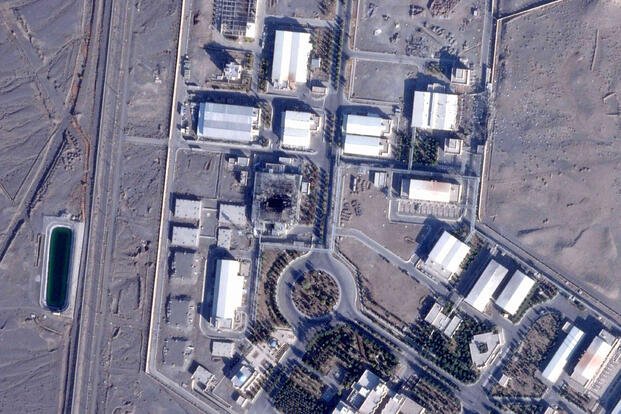
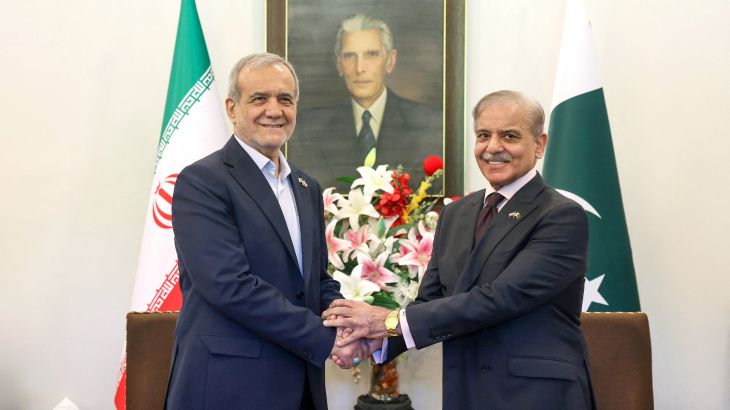
In response, Iranian President Masoud Pezeshkian confirmed he has ordered the resumption of nuclear negotiations with the United States, provided talks (Iran-US) take place without threats or unreasonable demands. Writing on X, Pezeshkian said negotiations would proceed strictly within Iran’s national interests.
Iran has repeatedly stressed that discussions must remain limited to the nuclear issue, firmly rejecting negotiations related to its missile programme or defense capabilities.
Regional Implications and Outlook
Iranian Foreign Minister Abbas Araghchi, in a recent interview with CNN, stated that a comprehensive nuclear agreement remains within reach, provided that Washington adopts what he described as a fair, realistic, and balanced approach. He emphasized that Tehran continues to view diplomacy as the preferred path forward and remains open to constructive engagement aimed at reducing tensions and restoring mutual trust. At the same time, Araghchi made it clear that Iran would not compromise its national security, warning that the country reserves the right to respond decisively and forcefully to any act of aggression against its sovereignty.
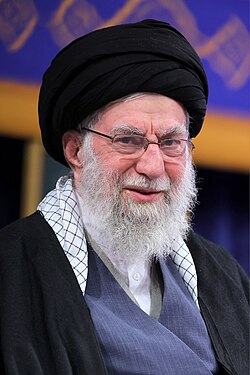
Parallel to these remarks, Iran’s Supreme Leader Ayatollah Ali Khamenei has issued a stark warning, cautioning that any direct military action by the United States would not remain confined to Iran alone. He stressed that such an attack would likely ignite a broader regional conflict, destabilising an already volatile Middle East and drawing multiple regional actors into a potentially prolonged confrontation. His comments underscore Tehran’s view that military escalation would carry serious consequences far beyond bilateral tensions.
Against this backdrop, Pakistan’s involvement in the ongoing diplomatic efforts highlights Islamabad’s expanding role on the international stage. Pakistan’s participation reflects its intent to leverage diplomatic channels to promote dialogue, de-escalation, and regional stability at a time of heightened geopolitical uncertainty. Observers note that Islamabad is increasingly positioning itself as a constructive intermediary and a stabilising force, particularly in complex regional disputes.
Analysts suggest that the outcome of the Istanbul talks could prove pivotal, with far-reaching implications for regional security and global non-proliferation efforts. A successful diplomatic breakthrough could help ease tensions, reduce the risk of military confrontation, and reshape strategic calculations across the region in the coming months. Conversely, failure to reach consensus may deepen mistrust and further exacerbate instability, making the stakes of these negotiations exceptionally high.