Table of Contents
- Trilateral Defence Talks Overview
- Draft Agreement Status
- Turkish Position on Negotiations
- Strategic Context and Regional Impact
- Pakistan’s Expanding Defence Diplomacy
Full News Article
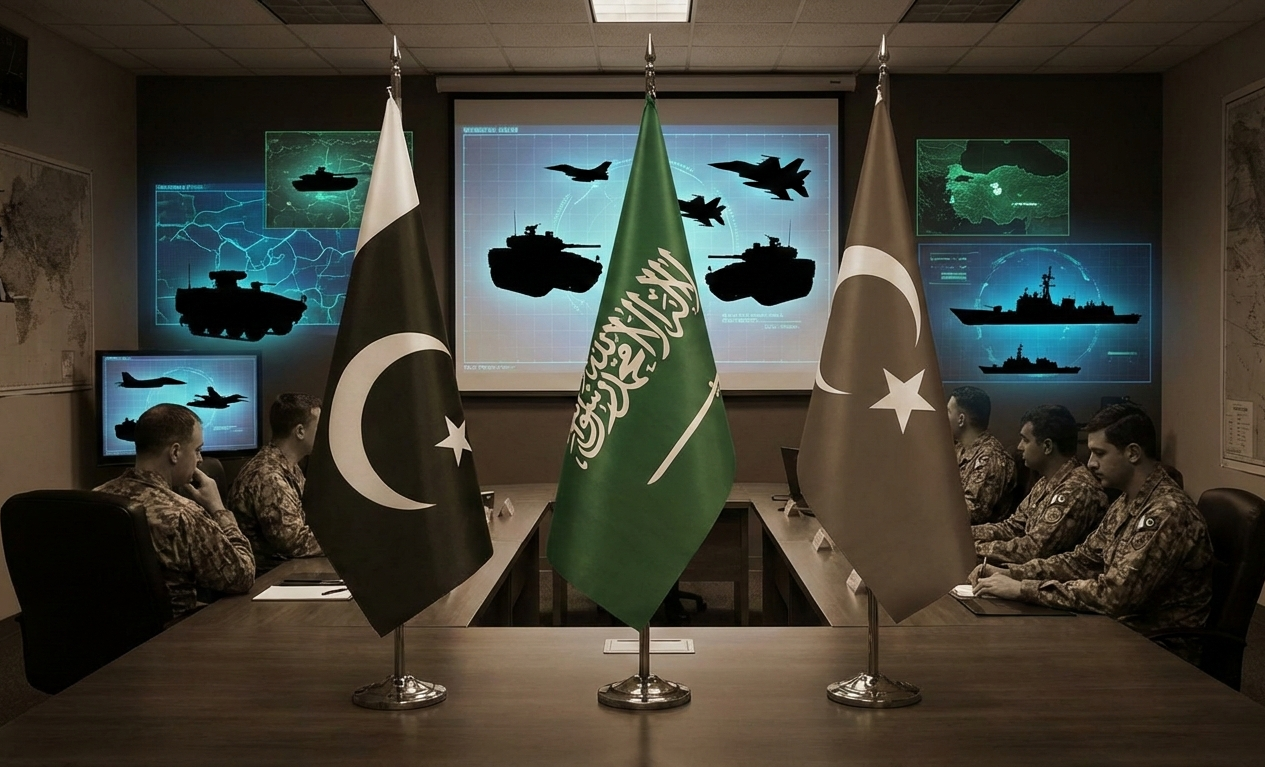
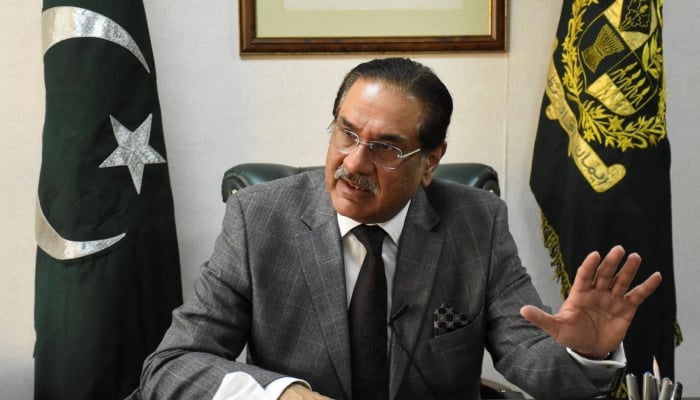
Pakistan-Saudi-Turkiye defence deal negotiations have entered an advanced stage, with draft agreements already prepared and under review by all three countries, according to Pakistan’s Minister for Defence Production Raza Hayat Harraj.
Speaking to Reuters, Harraj confirmed that Pakistan, Saudi Arabia, and Turkiye have been engaged in deliberations for nearly a year, signalling growing momentum toward a trilateral security framework amid heightened regional instability.
Trilateral Defence deal Talks Overview
Harraj described the proposed agreement as a separate initiative from the bilateral Strategic Mutual Defence Agreement (SMDA) signed between Pakistan and Saudi Arabia last year. He emphasised that while the framework is progressing, a final consensus among the three countries remains necessary before any formal signing.
“The Pakistan-Saudi Arabia-Turkiye trilateral agreement is something that is already in the pipeline,” Harraj said, adding that identical draft documents are currently with Islamabad, Riyadh, and Ankara.
According to the minister, discussions on the agreement have continued for the past ten months, reflecting sustained diplomatic engagement among the three regional powers.
Draft Agreement Status
Harraj clarified that the trilateral defence deal draft is independent of existing bilateral arrangements and is being considered as a broader cooperative mechanism. The agreement, if concluded, could formalise collaboration in defence production, military coordination, and strategic planning.
Bloomberg recently reported that Turkiye was at an advanced stage of talks to join the Pakistan-Saudi Strategic Mutual Defence deal Agreement. However, Harraj dismissed this characterisation, stating that the current trilateral draft is a distinct initiative.
Turkish Position on Negotiations
Addressing the issue at a press conference in Istanbul, Turkish Foreign Minister Hakan Fidan acknowledged that discussions had taken place but confirmed that no agreement had yet been signed.
Fidan underscored the importance of inclusive regional cooperation to address instability driven by terrorism, geopolitical rivalries, and external interventions.
“All regional nations must come together to create a cooperation platform on the issue of security,” he said, stressing the need for trust among regional states to overcome divisions that fuel conflict.
While Fidan did not explicitly name Pakistan or Saudi Arabia, he noted that President Recep Tayyip Erdoğan supports a broader and more inclusive security framework aimed at long-term regional stability.
Strategic Context and Regional Impact
Analysts suggest the Pakistan-Saudi-Turkiye defence deal could mark a significant realignment in regional security cooperation, particularly in the Middle East and South Asia. Bloomberg described the potential arrangement as one that could “shift the balance of power” beyond the region.
Pakistan and Turkiye already share a deep-rooted defence deal. Ankara has constructed corvette warships for the Pakistan Navy, upgraded F-16 fighter jets for the Pakistan Air Force, and supplied advanced drone technology to Islamabad.
Pakistan’s Expanding Defence Diplomacy
The proposed trilateral agreement comes as Pakistan expands its defence outreach following the May 2025 conflict with India. Pakistani officials have credited enhanced defence preparedness and partnerships for what they describe as military success during the 87-hour conflict.
Prime Minister Shehbaz Sharif recently told a federal cabinet meeting that Pakistan is in talks with multiple countries regarding defence agreements, including the export of fighter jets.
“After Pakistan won the war last year, the demand for Pakistani fighter jets has increased,” the prime minister said.
Earlier, Harraj confirmed discussions with several countries over potential sales of JF-17 Thunder aircraft.
The Pakistan-India conflict ended on May 10 last year following a US-brokered ceasefire, but its aftermath continues to shape Islamabad’s defence and diplomatic priorities.