Table of Contents
Pakistan Water Red Line: PM Issues Strong Warning
Prime Minister Shehbaz Sharif said Pakistan wants peace and stability but cautioned that its desire for peace should never be interpreted as weakness. He stressed that Pakistan would defend its interests with honour and dignity.
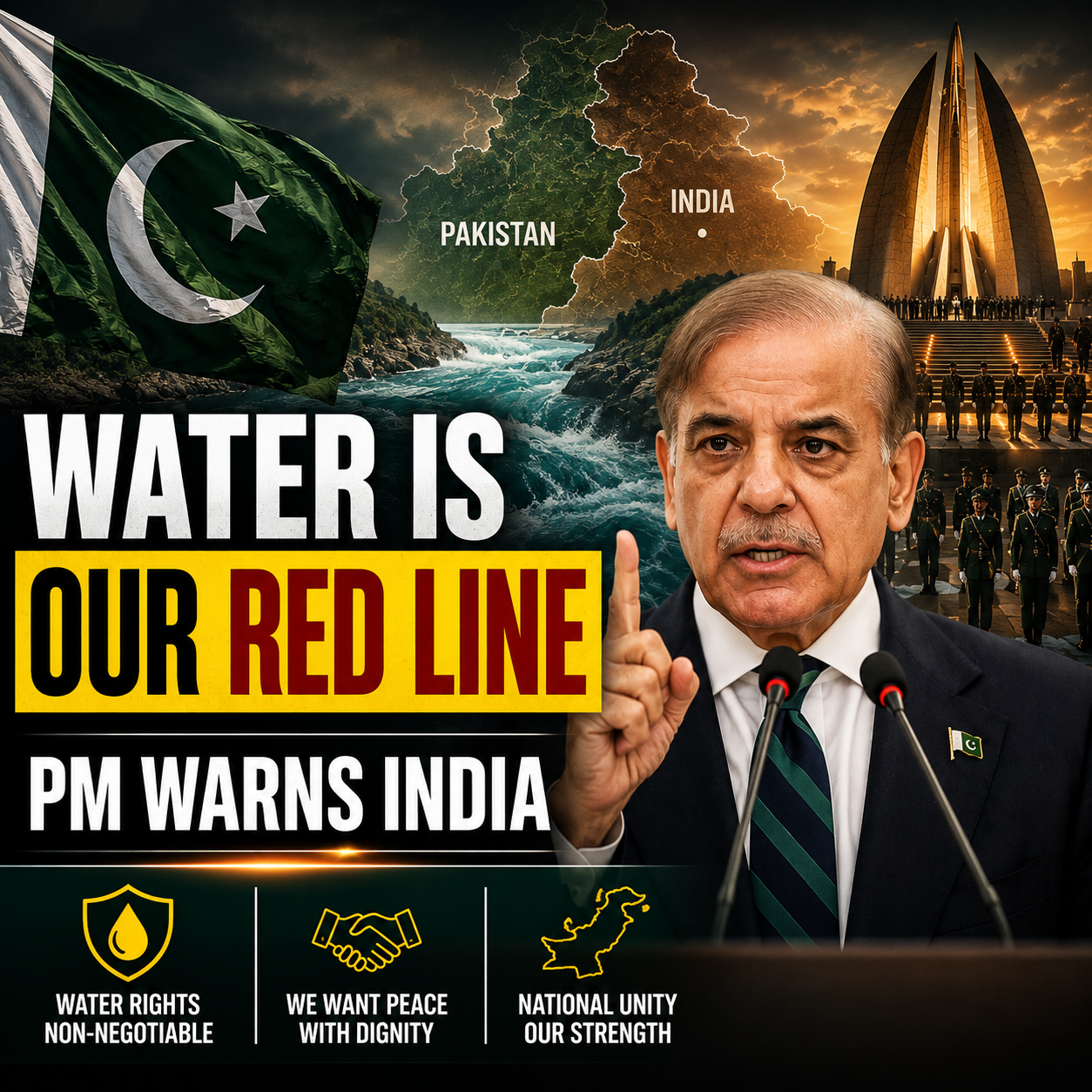
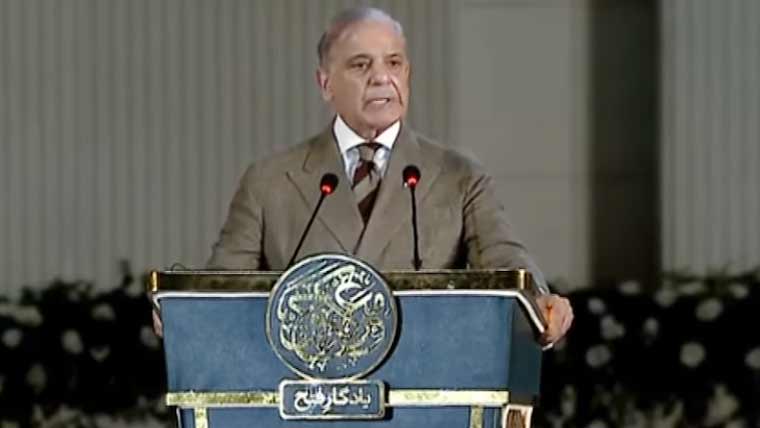
Pakistan water red line was firmly reiterated by Prime Minister Shehbaz Sharif as he warned India that Islamabad would respond directly if New Delhi failed to respect Pakistan’s water rights. The prime minister made the remarks while addressing the inauguration ceremony of the Yadgar-e-Fatah, or Victory Monument, in Islamabad on the eve of Independence Day.
Referring specifically to the water dispute with India, the prime minister said every drop of Pakistan’s water constitutes a red line. He warned that India would face a direct response if it did not change course.
The remarks come amid continued tensions surrounding the Indus Waters Treaty, which Pakistan maintains cannot be unilaterally suspended, altered or revoked. Islamabad has repeatedly described water security as a vital national interest.
Victory Monument Celebrates National Unity
The prime minister described the newly inaugurated Victory Monument as a symbol of Pakistan’s determination, national unity and the capabilities of its armed forces.
He congratulated the nation on what he described as the historic success of the Battle of Truth and paid tribute to Field Marshal Syed Asim Munir, crediting his leadership for the performance of Pakistan’s armed forces.
According to the prime minister, the monument was completed within eight months, with the field marshal taking a personal interest in its construction.
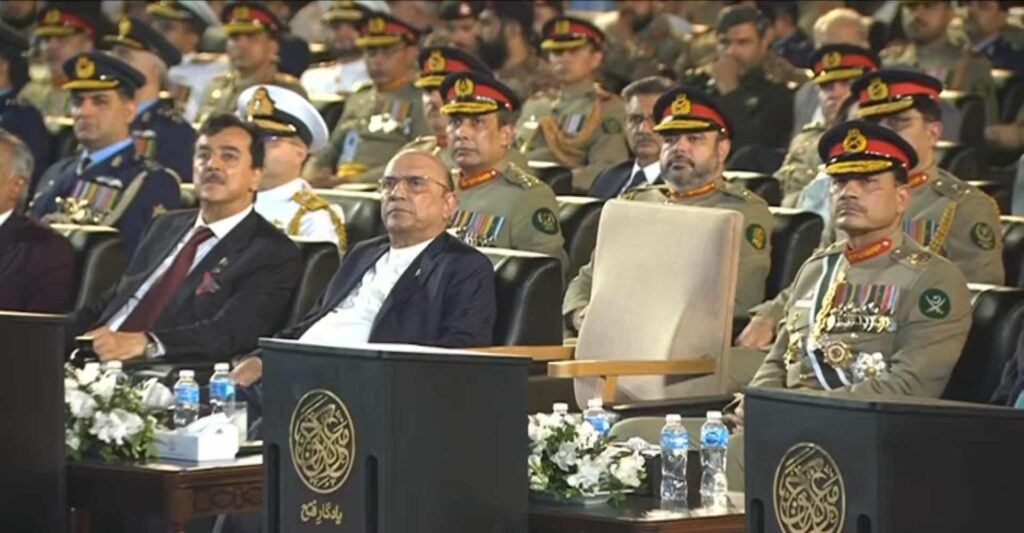
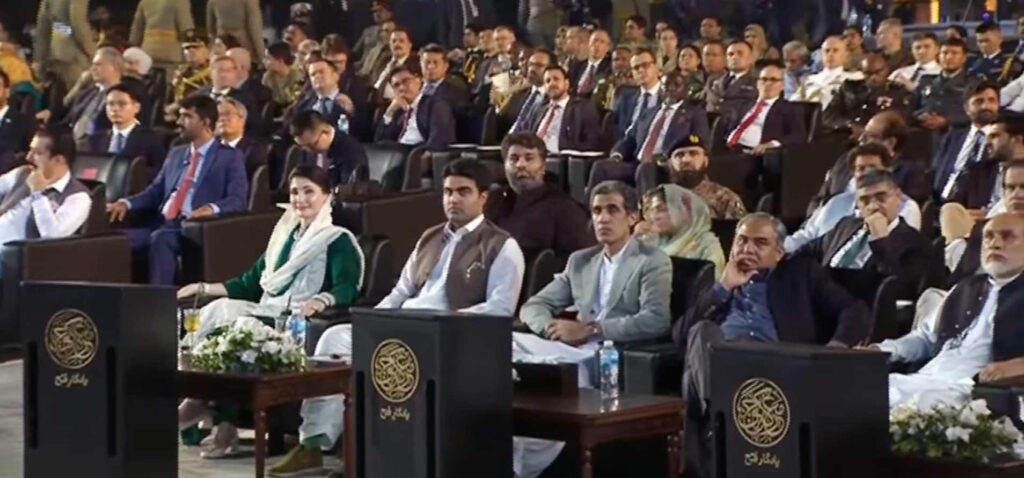
President Asif Ali Zardari was the chief guest at the inauguration. Senior civilian and military leadership, service chiefs, federal ministers, foreign diplomats and contingents representing the armed forces and civil armed forces attended the ceremony.
PM Calls for Peace, Stability and National Unity
Shehbaz Sharif said Pakistan wants a world free from conflict and stressed the importance of preserving the unity demonstrated by the nation during times of crisis.
He urged citizens to put aside differences, reject hatred and promote brotherhood. He also highlighted the government’s priority of creating new opportunities for the country’s younger generation.
The prime minister said Pakistan had emerged as a symbol of regional stability and would continue working to prevent new conflicts.
He also called on Afghanistan’s leadership to ensure that its territory is not used as a sanctuary for militant groups.
Kashmir and Palestine Remain Key Foreign Policy Issues
The prime minister reiterated Pakistan’s continued moral, political and diplomatic support for the Kashmiri people, saying their sacrifices would not be allowed to go in vain.
He also reaffirmed Pakistan’s principled position on Palestinian rights.
Shehbaz Sharif further highlighted Pakistan’s diplomatic role in efforts connected with the US-Iran conflict and said Field Marshal Asim Munir’s contribution to national security and regional diplomacy would be remembered.
Pakistan-China and Pakistan-US Relations
The prime minister praised China’s longstanding support for Pakistan, describing the bilateral friendship as stronger than rock and higher than the Himalayas.
He also appreciated US President Donald Trump’s role in the Pakistan-India ceasefire and expressed optimism that relations between Islamabad and Washington would strengthen further.
The ceremony ultimately combined national commemoration with messages on security, diplomacy, regional peace and unity. Prime Minister Shehbaz Sharif maintained that while Pakistan remains committed to peace, its sovereignty and vital national interests, particularly its water resources, remain non-negotiable.
The Pakistan water red line warning comes as the Indus Waters Treaty remains a major point of contention between Islamabad and New Delhi. see more Pulse Pakistan