Table of Contents
Full News Article
Pak-India Conflict Nearly Escalated to Nuclear War, Trump Claims
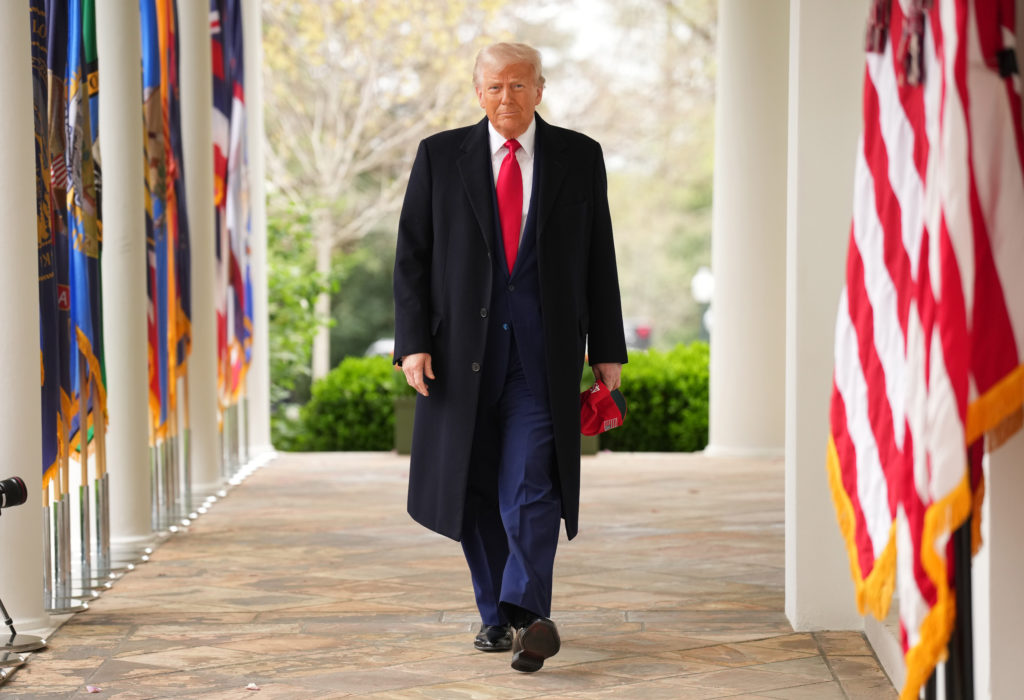
The recent Pak-India Conflict in May nearly escalated into a full-scale nuclear confrontation, according to former US President Donald Trump, who asserted that at least 10 fighter jets were shot down during the clashes. Speaking on Fox Business, Trump said he had initially reported a smaller number of aircraft losses but has now “doubled” the figure, underscoring the severity of the confrontation between the nuclear-armed neighbors. “Like India and Pakistan — it would have been a nuclear war in my opinion. They were really going at it. Ten planes were shot down,” he said.
Details on Fighter Jets and Military Engagement
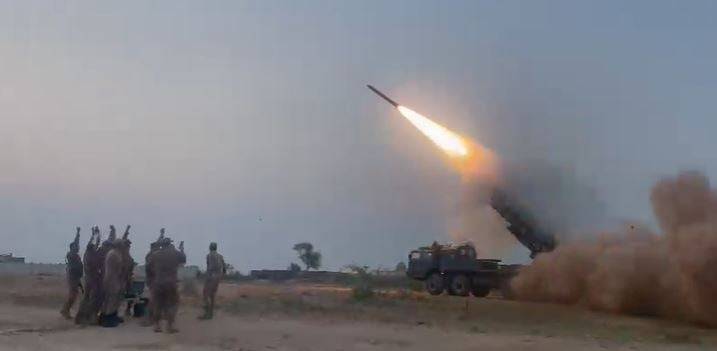
Trump recounted the tense moments during the escalation, highlighting Pakistan’s significant air defense success. He claimed that several Indian fighter jets were shot down, including three Rafale aircraft, alongside dozens of drones. The aerial exchanges formed part of a broader military engagement that lasted roughly 87 hours and only concluded after the United States brokered a ceasefire on May 10. Trump’s comments shed light on what he described as a near-catastrophic confrontation that could have resulted in unprecedented casualties in South Asia.
The former president suggested that Pakistan’s air defense measures were a decisive factor in curbing India’s air advances. While he focused on the aircraft losses, he also emphasized the broader implication of the conflict, portraying it as a situation where nuclear escalation was a real possibility. Analysts note that while some of Trump’s numbers may be disputed, the conflict itself marked the most serious military exchange between the two countries in decades.
Role of Tariffs in Preventing Escalation
In his remarks, Trump also credited his tariff policies as a critical diplomatic tool that helped prevent further bloodshed. “I settled eight wars. Of the eight wars, at least six were settled because of tariffs. In other words, I said if you don’t settle this war, I’m going to charge you tariffs, because I don’t want to see people getting killed,” he said. He suggested that such economic measures provided leverage to influence international disputes, including the Pak-India conflict.
Trump claimed that Prime Minister Shehbaz Sharif of Pakistan acknowledged that US intervention played a significant role in preventing further escalation, saving at least 10 million lives by stopping the conflict from spiraling into nuclear warfare. “Without tariffs, that would not have happened,” Trump added, emphasizing his administration’s use of economic pressure as a tool of conflict prevention.
Reactions from Pakistan and India
Pakistan has publicly acknowledged Trump’s role in brokering peace, even going as far as nominating him for a Nobel Peace Prize. India, however, has not officially confirmed or commented on the former president’s account. Analysts say such statements highlight the continued geopolitical sensitivities in South Asia and underscore the importance of external mediation during crisis situations. Observers note that while claims regarding aircraft losses and nuclear risk may be disputed, they reflect the tense atmosphere and potential for miscalculation between two nuclear-armed nations.
Background: Pahalgam Attack and Military Showdown
The May confrontation was triggered by a terrorist attack on tourists in the Pahalgam area of Indian-administered Jammu and Kashmir, which killed 26 people. New Delhi alleged Pakistan-backed involvement, while Islamabad denied responsibility and offered to participate in a neutral investigation. Following the attack, both nations engaged in a rapid military escalation, marking the most severe confrontation between the two countries in decades. Tensions rose sharply, prompting urgent international mediation to prevent further casualties and a potential nuclear incident.
Ceasefire and Aftermath
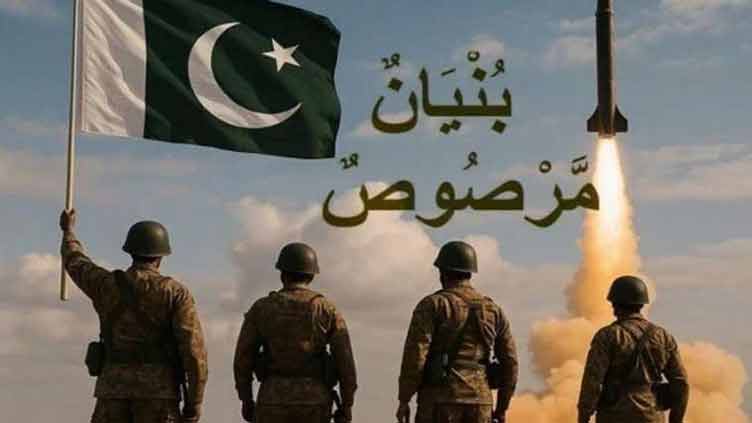
The US-brokered ceasefire effectively ended hostilities after three and a half days of intense fighting. Pakistan reportedly achieved multiple air defense successes, shooting down several Indian jets and drones. Meanwhile, India’s claims regarding Pakistani losses remain contested. Trump’s recent statements highlight his self-assessed role in averting a wider war, and they have reignited debates about the use of unconventional diplomatic tools, such as tariffs, in preventing armed conflict. Experts emphasize that regardless of the precise figures, the confrontation demonstrated the fragility of peace in South Asia and the critical need for effective mediation between nuclear-armed neighbors.