Table of Contents
Full News Article
US-Iran ceasefire extension remains at the center of regional diplomacy as Pakistan urges Washington and Tehran to prolong their fragile truce amid escalating uncertainty and stalled negotiations.
US-Iran ceasefire extension and Pakistan’s Diplomatic Push
Pakistan has formally urged both the United States and Iran to extend their ongoing ceasefire, stressing that diplomacy remains the only sustainable path to regional peace and stability.
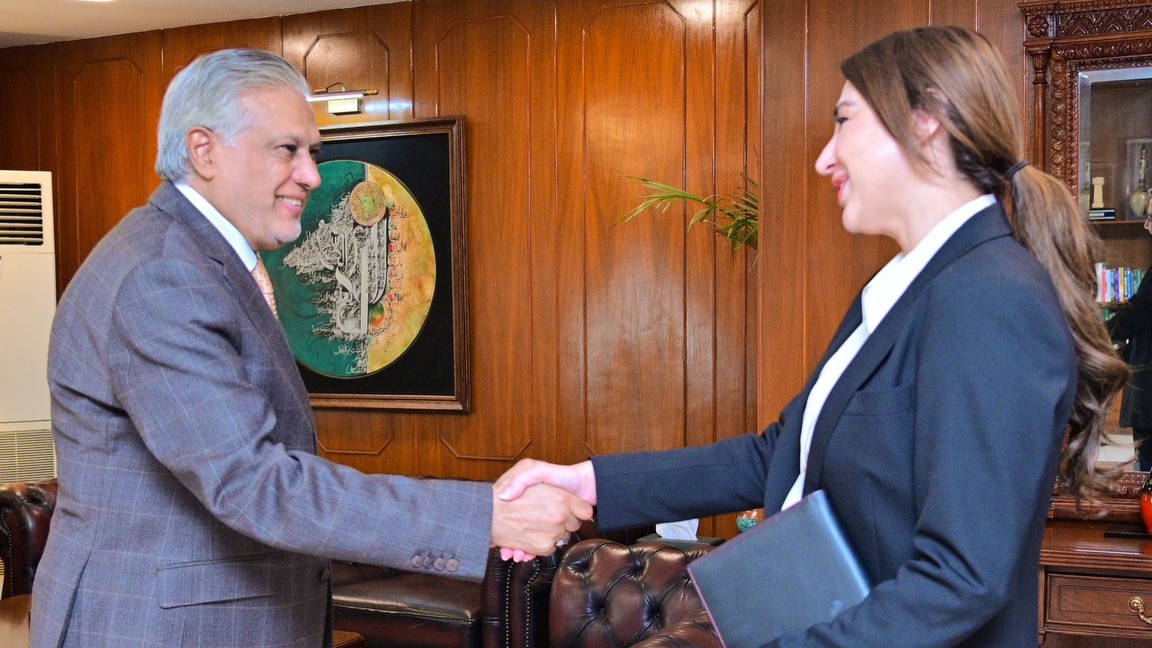
Deputy Prime Minister and Foreign Minister Ishaq Dar raised the issue during a meeting with US Chargé d’Affaires Natalie A. Baker in Islamabad. He emphasized the urgent need for continued engagement between Washington and Tehran.
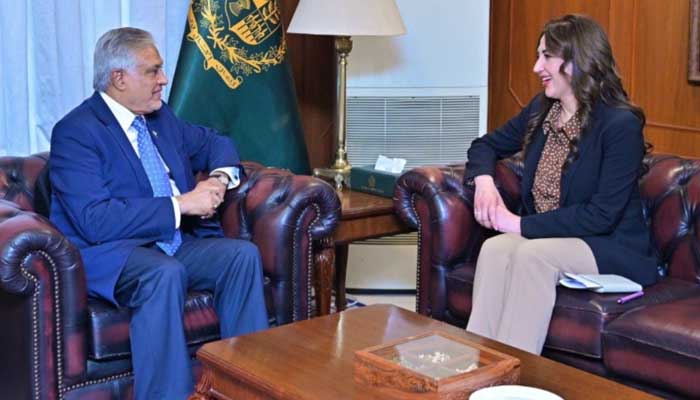
According to Pakistan’s Foreign Office, Dar reiterated that dialogue and negotiation are the only viable tools to resolve escalating geopolitical tensions.
Ceasefire Timeline and Regional Background
The current ceasefire was brokered on April 8 after weeks of intense hostilities in the Middle East. The agreement temporarily halted a six-week conflict involving the United States and Iran, with Pakistan playing a mediating role.
Prime Minister Shehbaz Sharif facilitated the truce and later invited both countries to Islamabad for direct negotiations. However, the agreement remains fragile, with the ceasefire set to expire at 4:50am Pakistan Time on April 22.
Breakdown of Previous Negotiation Round
The first round of talks, lasting nearly 21 hours, failed to produce a breakthrough. Major disagreements persisted over:
- Iran’s nuclear program
- Ballistic missile development
- Control of the Strait of Hormuz
- Lifting of US sanctions
Despite extensive discussions, neither side agreed on core demands, leaving the peace process unresolved.
US and Iran Maintain Diverging Positions
While the United States confirmed participation in further talks, led by senior officials including Vice President JD Vance, Iran has yet to confirm whether it will send a delegation.
US President Donald Trump has stated that the ceasefire is not expected to be extended, arguing that Washington holds a strong negotiating position.
Meanwhile, Iranian state media has denied reports suggesting that any delegation has already departed for Pakistan.
Islamabad’s Expanding Diplomatic Role
Failure to resolve core disagreements continues to threaten the US-Iran ceasefire extension, raising concerns over renewed regional instability. Pakistan continues to position itself as a neutral facilitator in the crisis. Foreign Office officials confirmed ongoing communication with both sides to ensure Iran’s participation in the next round of talks.
Information Minister Attaullah Tarar stated that Pakistan remains committed to diplomacy and is actively working to bring both parties back to the negotiating table.
He further confirmed that the ceasefire is scheduled to expire early Wednesday, increasing urgency for a diplomatic breakthrough.
What Happens Next
The success of the upcoming negotiations in Islamabad depends heavily on Iran’s decision to participate. If talks proceed, Pakistan is expected to host a high-level diplomatic delegation in an effort to secure a longer-term agreement.
Failure to extend the ceasefire could risk renewed tensions in an already volatile region, raising global concerns over energy security and maritime routes such as the Strait of Hormuz.
Conclusion
As the US-Iran ceasefire extension deadline approaches, Pakistan’s diplomatic efforts are under global scrutiny. The next 24 hours will be critical in determining whether peace talks continue or regional tensions escalate further.
Pakistan’s growing role in regional mediation aligns with its broader diplomatic efforts, as highlighted in our coverage of recent US-Iran diplomatic developments and Pakistan’s peace initiatives.