Table of Contents
Full News Article
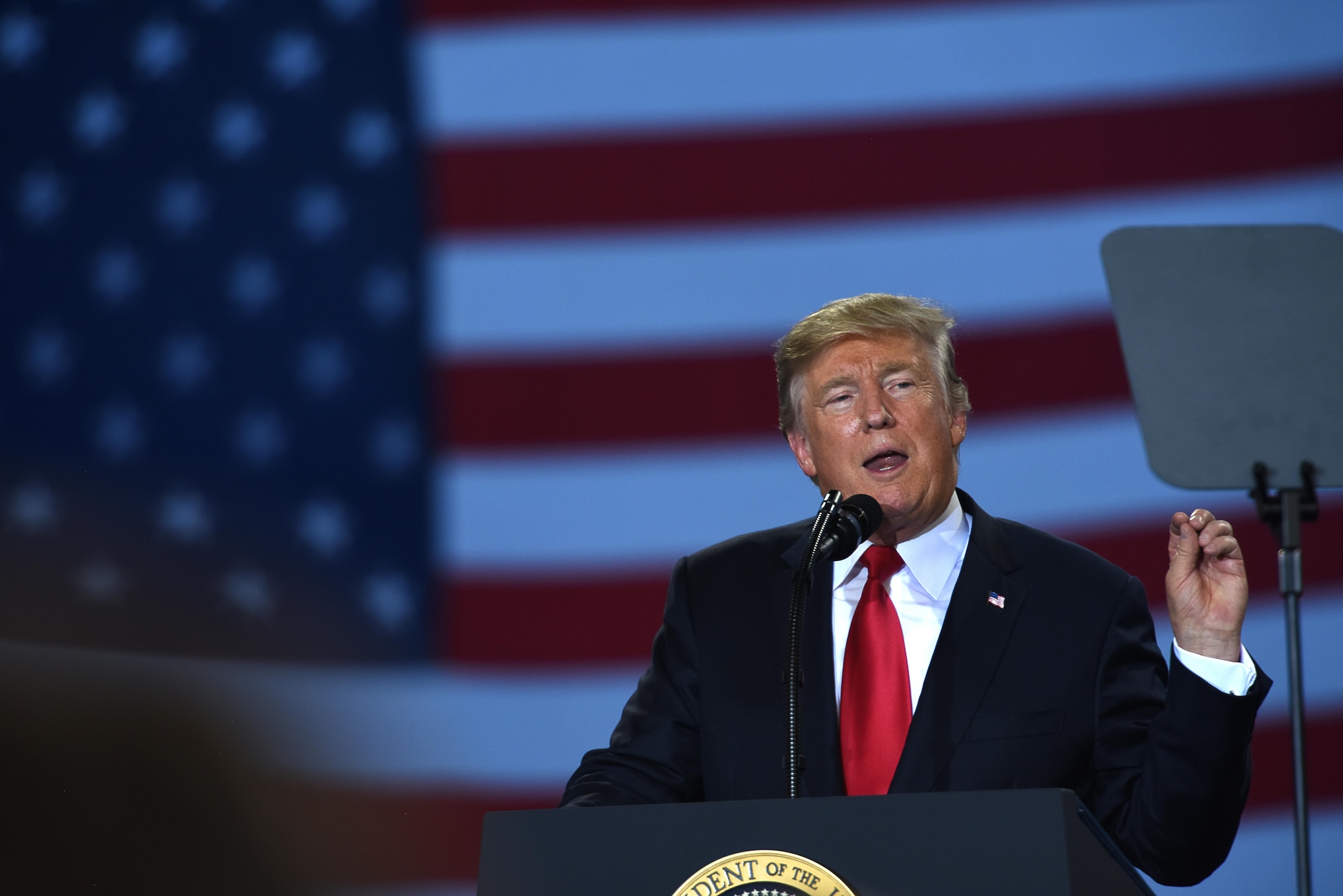
US Iran deal warning sharpened on Tuesday after President Donald Trump said Washington would be forced to take “something very tough” if negotiations with Tehran fail to produce an agreement, raising concerns of renewed confrontation in the Middle East as diplomatic efforts cautiously resume.
Trump’s remarks came as both countries prepare for another round of indirect talks, following Oman-mediated discussions last week that Iranian officials described as serious enough to justify continued diplomacy. Despite the diplomatic channel remaining open, parallel military preparations and political pressure from regional allies are reinforcing a tense backdrop.
Trump Issues Fresh Warning to Iran
In interviews with Israeli media, Trump framed the situation in stark terms, saying the United States faced a clear choice. “Either we reach a deal or we’ll have to do something very tough,” Israel’s Channel 12 quoted him as saying, underlining the consequences if negotiations collapse.
The US president has previously positioned a naval aircraft carrier in the Middle East, a move widely interpreted as a signal of deterrence. Reports now indicate he is considering dispatching a second carrier, reflecting Washington’s effort to maintain leverage as talks continue.
Trump has a history of coupling diplomacy with pressure. Over the past year, he supported Israeli strikes against Iranian positions and authorised US attacks on Iranian nuclear facilities. He also publicly considered intervention during Iran’s violent suppression of nationwide protests, although no direct action followed at that time.
Military Signals and Carrier Deployment
According to US officials cited by Reuters, the USS George Washington and the USS George HW Bush are among the vessels being considered for deployment, though both would require at least a week to reach the region. Another option includes deploying the USS Gerald R. Ford from the Caribbean.
Satellite imagery analysed by Reuters has shown a recent build-up of US military assets across the Middle East. At Qatar’s al-Udeid air base, the largest US military installation in the region, missiles were reportedly placed on mobile truck launchers, allowing for faster redeployment should tensions escalate further.
Oil markets reacted cautiously to the developments, with prices easing as traders balanced geopolitical risk against the possibility that negotiations may yet prevent a military escalation.
Diplomacy Through Regional Mediators
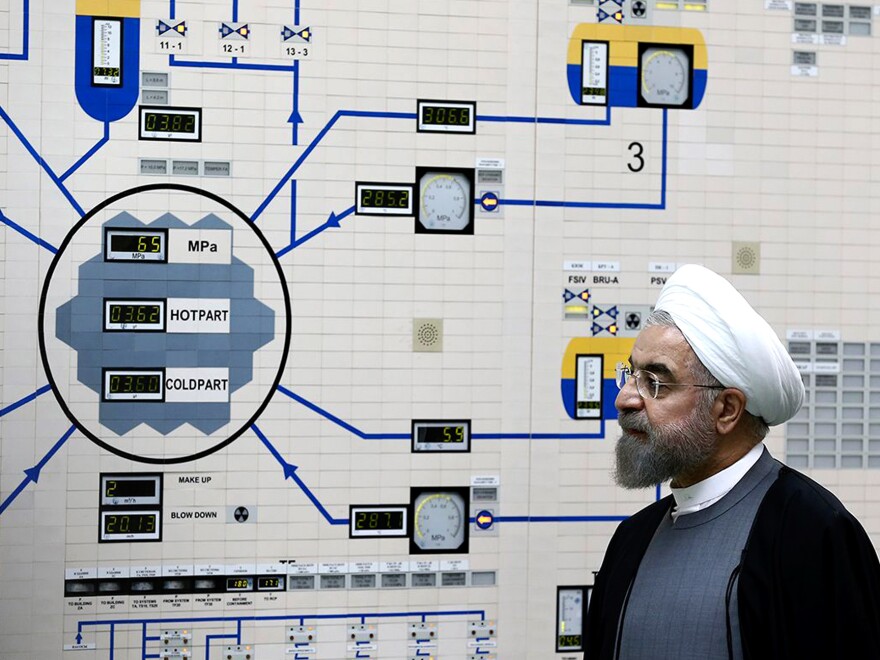
Despite the strong rhetoric, Iran signalled that it remains open to talks. Foreign ministry spokesperson Esmaeil Baghaei said the Oman-hosted discussions enabled Tehran to assess Washington’s seriousness and created sufficient understanding to justify continuing the diplomatic process.
Baghaei also confirmed that Ali Larijani, an adviser to Supreme Leader Ayatollah Ali Khamenei, travelled to Oman on a pre-planned visit and would proceed to Qatar, another key mediator in regional diplomacy. Oman’s state news agency reported that Larijani and Sultan Haitham bin Tariq discussed pathways toward a “balanced and just” agreement, emphasising dialogue as essential for regional and global stability.
The date and venue for the next round of US-Iran talks have not yet been announced.
Nuclear Dispute and Missile Red Lines
At the heart of the negotiations remains Iran’s nuclear programme. Washington is pressing Tehran to relinquish its stockpile of uranium enriched to 60 percent purity, a level just below weapons-grade. US officials argue that limiting enrichment is critical to preventing Iran from developing nuclear weapons.
Iran insists its nuclear programme is peaceful and says enrichment is a sovereign right. President Masoud Pezeshkian has reiterated that any agreement must include the lifting of financial sanctions and recognition of Iran’s nuclear rights.
The US is also seeking to expand talks beyond nuclear issues to include Iran’s ballistic missile programme, one of the most advanced in the region. Tehran has firmly rejected this demand, calling its missile stockpile non-negotiable, particularly after rebuilding capabilities following last year’s Israeli and US bombing campaign.
Israeli Prime Minister Benjamin Netanyahu is expected to urge Trump during a Washington meeting to ensure any agreement imposes restrictions on Iran’s missile development.
Stakes for Regional and Global Stability
Iranian officials have warned Washington against allowing foreign pressure to shape its negotiating stance. Baghaei said the US must act independently, particularly from Israeli influence, arguing that such pressure undermines regional and even American interests.
Meanwhile, US Vice President JD Vance said Trump would personally determine the red lines of any deal. “The president is going to make the ultimate determination,” Vance said during a visit to Armenia, highlighting the central role Trump will play in shaping the outcome.
With diplomacy and military posturing unfolding simultaneously, the US Iran deal warning underscores the fragile balance between negotiation and escalation, with far-reaching implications for Middle Eastern security and global markets.