Table of Contents
PIA Privatization Officially Completed as Pakistan Transfers PIA to New Owners
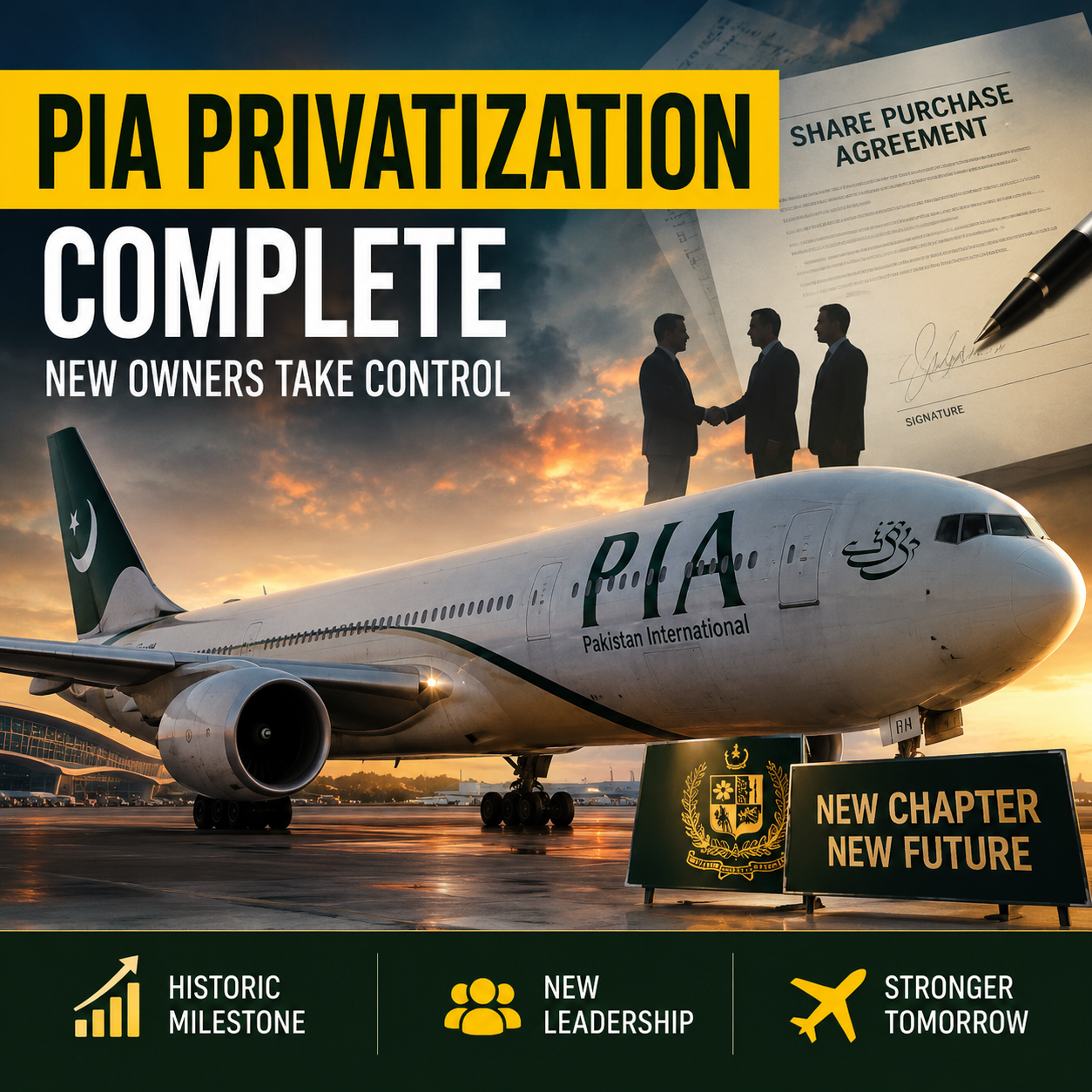
PIA Privatization has officially been completed after Pakistan transferred management control of Pakistan International Airlines Corporation Limited (PIACL) to a private consortium led by Arif Habib Corporation. The landmark move represents one of the country’s biggest state-owned enterprise reforms and signals a new chapter for Pakistan’s national airline. The transition is expected to improve operational efficiency, strengthen financial performance, and modernize the airline through private-sector management while supporting the government’s broader economic reform agenda.
PIA Privatization Officially Completed
The PIA Privatization process reached its final stage after the Privatisation Commission officially transferred management control of Pakistan International Airlines Corporation Limited to the successful consortium led by Arif Habib Corporation.
The transition was completed after all legal, financial, and regulatory conditions outlined in the Share Purchase and Subscription Agreement (SPSA) were fulfilled. With these requirements completed, the consortium has formally assumed responsibility for the management and operations of Pakistan’s national carrier.
The development marks one of the most significant privatization initiatives undertaken by Pakistan in recent decades and is expected to reshape the future of the country’s aviation industry.
New Owners Take Over Pakistan International Airlines
Following the successful PIA Privatization, the new ownership has officially assumed operational control of the airline.
The consortium is expected to introduce corporate governance reforms, improve operational efficiency, modernize business practices, and strengthen the airline’s financial position.
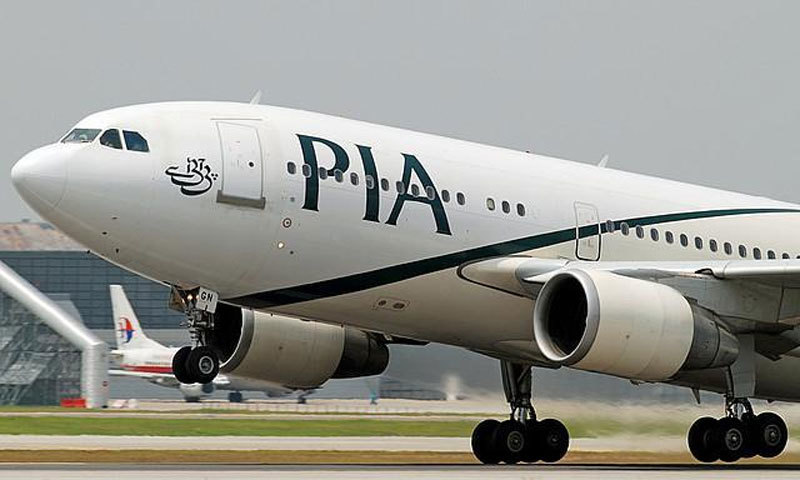
Industry experts believe private-sector management could enable quicker decision-making, better accountability, improved customer service, and stronger commercial competitiveness in both domestic and international markets.
The new management is also expected to focus on fleet optimization, digital transformation, route profitability, and passenger satisfaction as part of its long-term restructuring strategy.
PIA Privatization Brings New Leadership
A newly restructured board of directors has taken charge following the completion of PIA Privatization.
The board has appointed Lt Gen (Retd) Anwar Ali Haider, Managing Director of Fauji Foundation, as the first chairman of the privatized airline.
His leadership is expected to guide the airline through a critical transition period focused on governance reforms, operational improvements, and financial sustainability.
The board will oversee strategic planning while ensuring the airline remains competitive in an increasingly challenging regional aviation market.
How PIA Privatization Will Impact Pakistan
The completion of PIA Privatization is viewed as an important milestone for Pakistan’s economy and aviation sector.
For many years, Pakistan International Airlines struggled with mounting financial losses, operational inefficiencies, and increasing competition from regional airlines.
Government officials believe transferring management to the private sector will create greater opportunities for investment, modernization, innovation, and sustainable business growth.
A stronger airline could also support Pakistan’s tourism industry, improve international connectivity, and create a more competitive aviation environment.
The successful completion of the ownership transfer also reflects Pakistan’s broader strategy of encouraging private investment in key economic sectors while reducing the financial burden associated with state-owned enterprises.
Challenges Ahead for the New Management
Despite the optimism surrounding PIA Privatization, the new owners face significant challenges.
The airline must improve financial performance, modernize its operations, enhance customer trust, strengthen international partnerships, and maintain service quality while implementing extensive reforms.
Competition from regional carriers, fluctuating fuel prices, and evolving global aviation standards will require strong leadership and careful strategic planning.
Industry analysts note that sustainable success will depend on balancing commercial objectives with maintaining the airline’s reputation and service standards.
Future Outlook After PIA Privatization
The coming months will determine the long-term success of PIA ownership transfer.
The new management is expected to prioritize operational efficiency, digital innovation, customer experience, network expansion, and improved financial discipline.
If these reforms are implemented successfully, Pakistan International Airlines could gradually rebuild its competitiveness in regional and international aviation markets.
The transition is also expected to attract greater investor confidence and demonstrate Pakistan’s commitment to economic reform and public-sector modernization.
Conclusion
The completion of PIA Privatization marks the beginning of a new era for Pakistan International Airlines. With management now under private ownership, the airline has an opportunity to improve operational performance, strengthen financial sustainability, enhance passenger services, and regain its position as a competitive regional carrier.
While challenges remain, the success of PIA Privatization will ultimately depend on the ability of the new management to deliver meaningful reforms, rebuild public confidence, and create a financially stable airline capable of meeting international standards.
Also Read: Federal Minister Ahsan Iqbal Attends Healthrix Medical Billing Office Inauguration Led by Mr. Tahir Javed to learn how Pakistan is expanding investment and strengthening key economic sectors on Pulse Pakistan