Table of Contents
Indus Waters Treaty
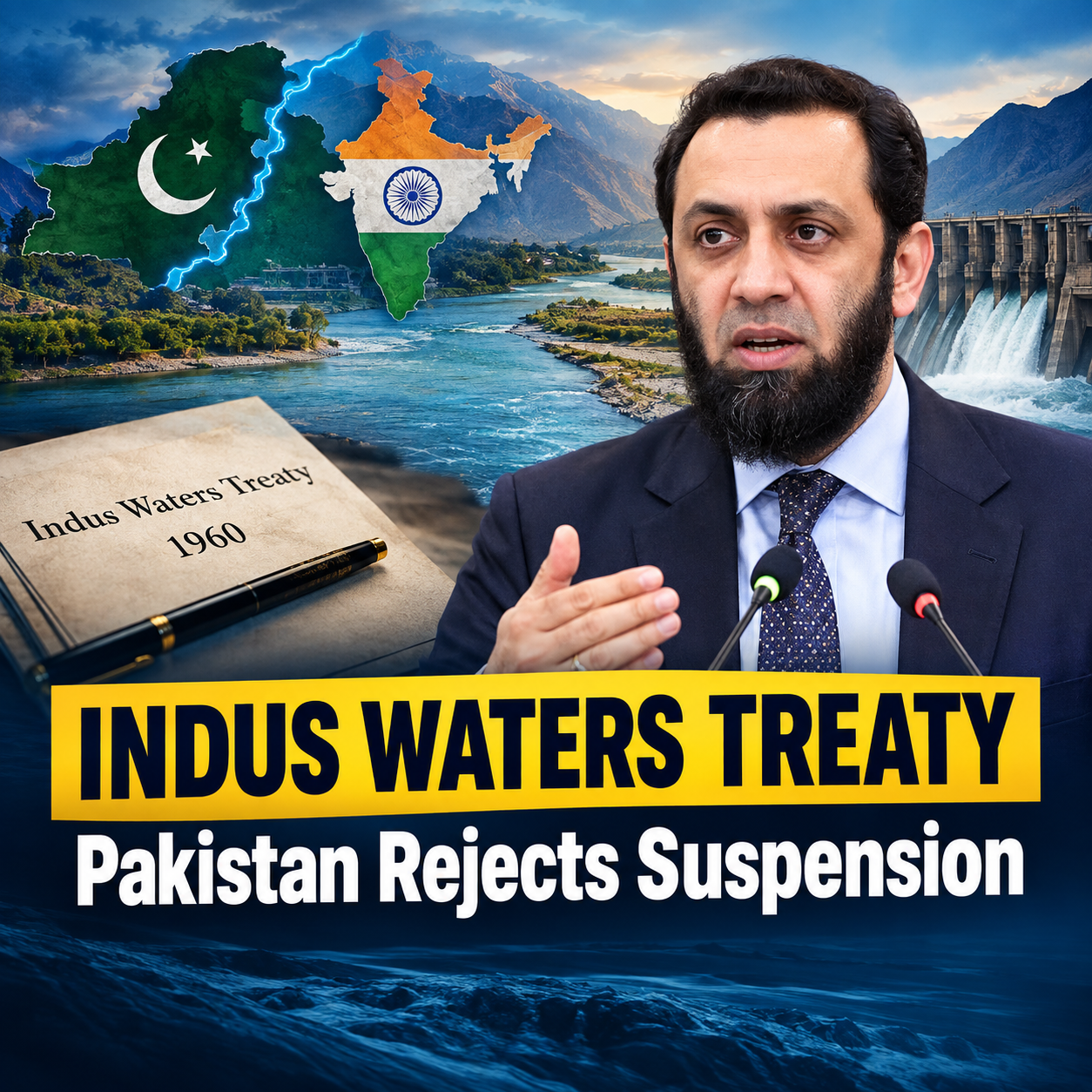
Pakistan has reiterated that the Indus Waters Treaty remains a fundamental international agreement linked directly to the country’s water security, agriculture and economic stability. Federal Minister for Information and Broadcasting Attaullah Tarar said any unilateral attempt to suspend the treaty would violate international legal principles and undermine regional peace.

The minister made these remarks while addressing the launch ceremony of a special report in Islamabad titled “Use of Water as a Weapon: Historical, Legal and Strategic Dimensions of the Suspension of the Indus Waters Treaty.”
The Indus Waters Treaty and Pakistan’s Legal Position
Tarar said Pakistan takes pride in its connection with the ancient Indus Valley Civilization and stressed that the Indus Waters Treaty is not merely a political arrangement but an agreement tied to the survival and livelihood of millions of Pakistanis.
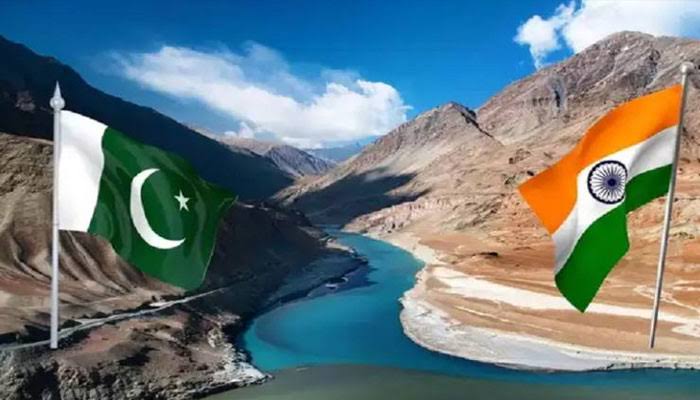
According to the minister, once an international agreement is signed, its implementation becomes binding upon all parties. He maintained that international treaties cannot be suspended or terminated through unilateral actions.
He also referred to decisions by international arbitration forums, saying legal institutions have supported Pakistan’s interpretation of the treaty and its continued applicability.
Water Security Linked to Agriculture and Economy
The federal minister emphasized that water resources are directly linked to Pakistan’s agriculture, food production and economic activity.
He noted that the Indus Waters Treaty serves as an important mechanism for maintaining peace and stability in South Asia and warned against the use of water as a political or strategic tool.
Tarar said Pakistan has consistently raised its concerns through diplomatic channels and international forums. He added that Pakistan remains committed to peaceful solutions while safeguarding its rights under international law.
Pakistan’s Diplomatic Message
The minister stated that Pakistan has informed the international community that uninterrupted water access is essential for national stability.
He referred to the prime minister’s remarks at the United Nations, where concerns over water security and regional peace were highlighted.
Tarar also mentioned Pakistan’s sacrifices in the fight against terrorism, saying the country has suffered significant human and economic losses over the years.
Regional Stability and International Law
Experts attending the report launch observed that international agreements provide an essential framework for stability among neighboring states. The Indus Waters Treaty, signed in 1960, has remained one of the longest-standing water-sharing arrangements in the world despite periods of political tension.
Analysts believe continued dialogue, adherence to legal mechanisms and diplomatic engagement remain important for preventing disputes and ensuring regional cooperation.
Pakistan has repeatedly stated that water security is a critical national issue and that international agreements must be respected to preserve peace and stability in South Asia.See More on Pulse Pakistan