Table of Contents
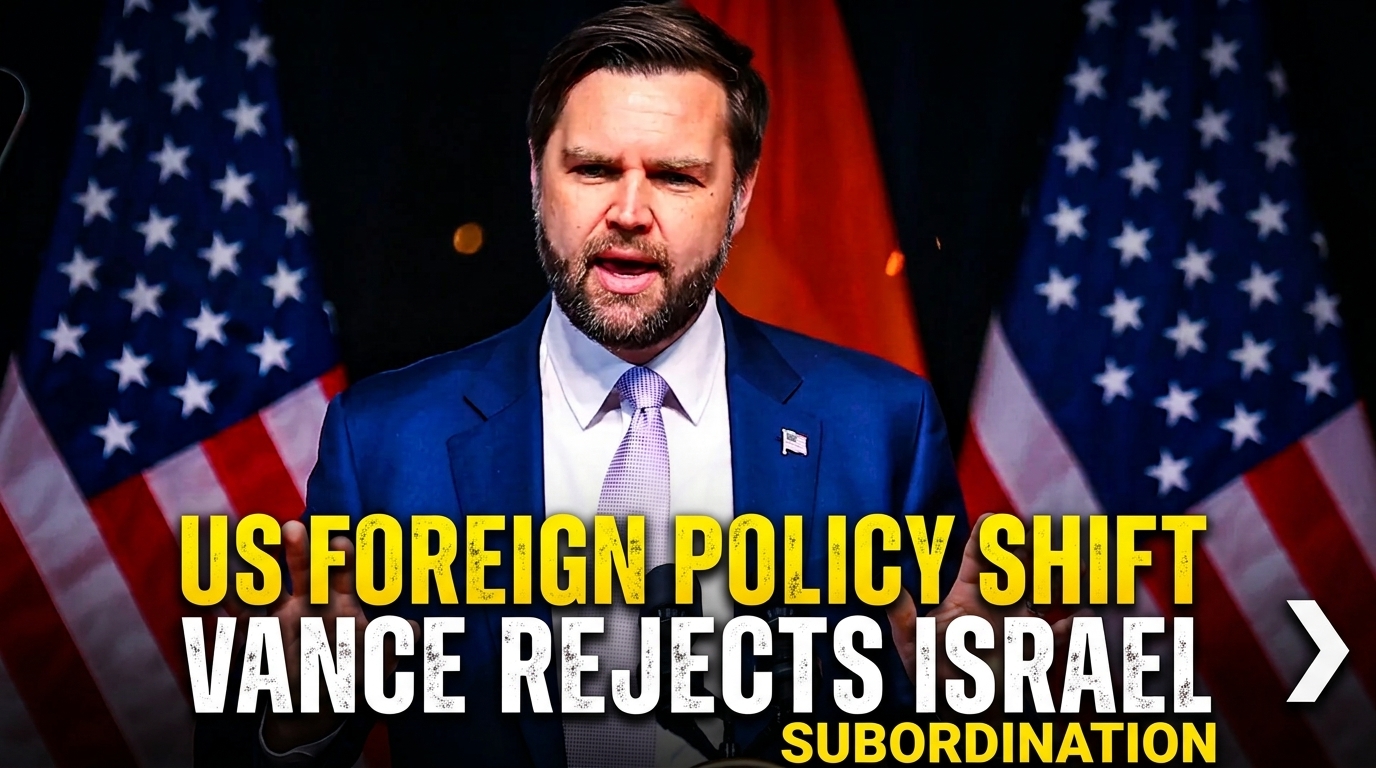
US foreign policy should be determined by American national interests rather than being subordinate to the position of Israel, US Vice President JD Vance said in remarks highlighting Washington’s intention to maintain an independent approach to Middle East affairs.
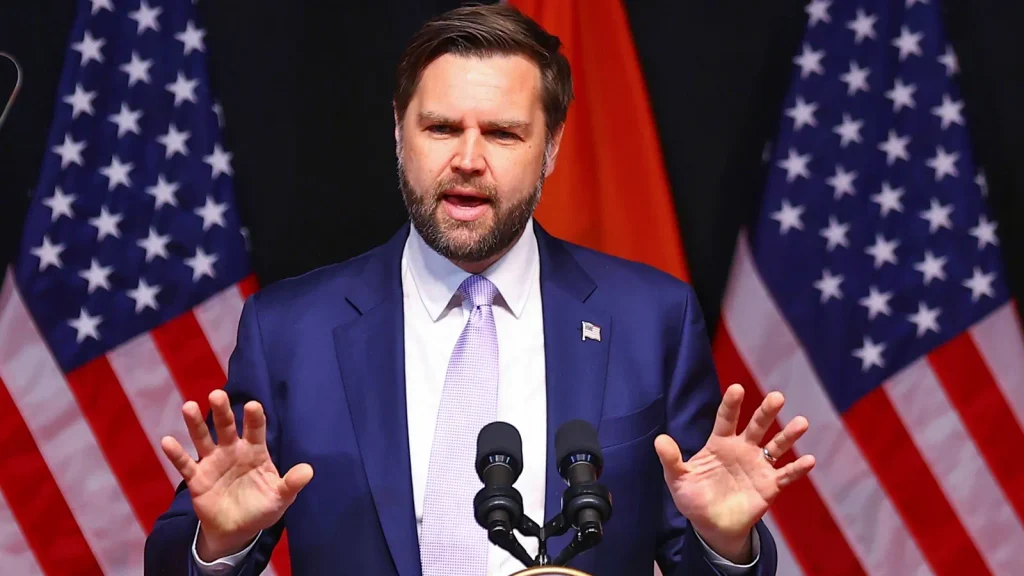
Speaking at an event organized around the All-In Podcast, Vance acknowledged the importance of the US-Israel relationship while emphasizing that the two countries do not necessarily share identical interests on every issue. His comments came as Washington continues to navigate heightened tensions across the Middle East and its ongoing confrontation with Iran.
Vance Says US Foreign Policy Must Serve American Interests
Vance argued that Washington should cooperate with Israel where the interests of the two countries overlap, but should be prepared to pursue a separate course when their positions diverge.
The vice president said Israel remains an important American partner, particularly in areas such as military technology and intelligence sharing. At the same time, he stressed that the partnership does not require Washington to adopt Israel’s position on every regional question.
According to Vance, the central principle of US foreign policy should be the protection and advancement of American interests. He framed the issue as one of maintaining an independent decision-making process while continuing strategic cooperation with an important ally.
NATO Comparison Used to Explain Position
Vance compared the US relationship with Israel to Washington’s partnerships with NATO members.
He argued that maintaining strong alliances does not mean the United States makes its broader foreign policy subordinate to those partners. In the same way, he said, cooperation with NATO does not require Washington to surrender control over its European policy.
Using that comparison, Vance said the United States should apply a similar principle in the Middle East: cooperate with partners where interests coincide, disagree where necessary, and ultimately pursue what Washington considers its own national interests.
His comments represent a clear articulation of the administration’s stated position that alliances and partnerships can coexist with independent policy decisions.
JD Vance Israel Policy Comes Amid Regional Tensions
The remarks come at a particularly sensitive time for US Middle East policy. Washington remains involved in a prolonged confrontation with Iran, while regional security, shipping through the Strait of Hormuz and relations with Israel continue to dominate international attention.
Vance has also recently discussed the changing phase of the confrontation with Iran. In an interview published September 15, he said the conflict could enter a significantly different phase in the coming months and described the next stage as focused on preventing Iran from rebuilding military capabilities.
The vice president has previously rejected describing the confrontation simply as a conventional war, while acknowledging continuing flare-ups and attacks involving commercial shipping.
Against that backdrop, his latest comments place renewed emphasis on how Washington defines its strategic interests independently of those of its regional partners.
A Continued Partnership, but Not Automatic Alignment
Vance did not suggest that the United States was abandoning its relationship with Israel. Instead, his remarks emphasized that cooperation and disagreement can exist within the same alliance.
He pointed to military technology and intelligence cooperation as areas where the partnership remains significant. However, he said Washington should be able to take a different position when American interests diverge from those of the Israeli government.
Vance also credited President Donald Trump with demonstrating a willingness to disagree with Israeli Prime Minister Benjamin Netanyahu when the administration believes American interests require a different approach. That characterization was part of Vance’s broader argument for an independent American foreign-policy framework.
The comments are likely to remain relevant as the Trump administration manages relations with Israel while addressing the wider strategic and security consequences of the US-Iran confrontation.
For Washington, the central question remains how to balance long-standing alliances with the administration’s stated priority of pursuing American national interests. Vance’s remarks provide a direct indication of how one of the administration’s senior officials currently describes that balance.Pulse Pakistan