Table of Contents
Iran Conflict
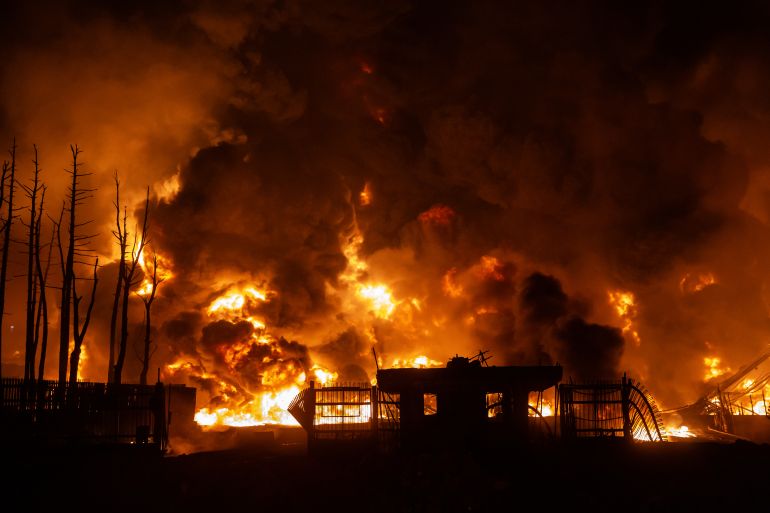
The Iran Conflict intensified on Wednesday as US President Donald Trump declared that American forces had effectively “won” the confrontation with Iran, even as Gulf countries reported missile and drone threats and urged international intervention.
Trump’s remarks suggested that Washington considers the primary objectives of its military operation achieved. However, the United States signaled that it will continue its involvement in the region to ensure long-term stability and security.
US Claims Success in Iran Conflict
Speaking to reporters, Trump said the United States had already secured a decisive outcome in the Iran Conflict but would maintain its presence in the region.
“You never like to say too early you won. We won,” the president said.
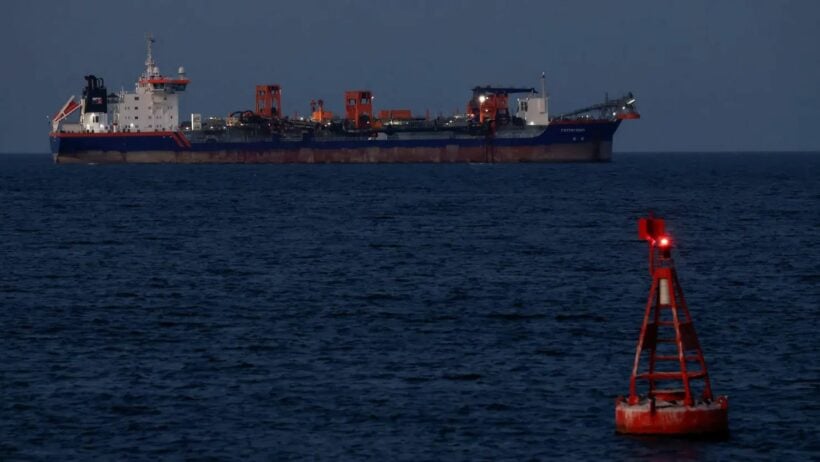
He claimed that the US military had destroyed 58 Iranian naval vessels during the operation, describing the engagement as swift and effective.
According to Trump, the most critical phase of the confrontation concluded rapidly.
“In the first hour it was over,” he added, suggesting that American forces quickly neutralized major Iranian capabilities at sea.
Despite the declaration of victory, the US administration indicated that operations may continue in order to prevent further escalation and ensure that Iran cannot rebuild military capacity in the affected areas.
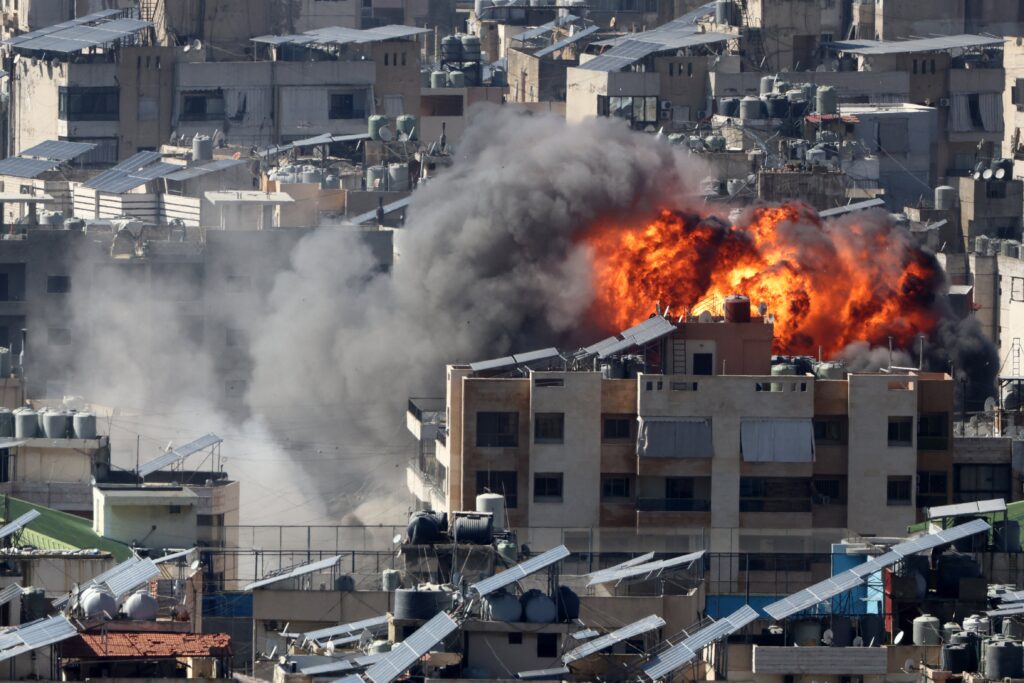
Trump Says Military Operation Achieved Early Objectives
The White House position indicates that while the Iran Conflict may have reached a decisive turning point, the broader regional situation remains fragile.
Security analysts say such statements often reflect political messaging as well as military assessment. Continued US presence in the region suggests Washington is preparing for potential retaliation or renewed tensions.
The Middle East has been under intense scrutiny in recent days as military activities and political responses from regional powers increase.
Observers note that even limited engagements can trigger broader geopolitical consequences in the Gulf region.
Kuwait Responds to Missile and Drone Threats
Meanwhile, security concerns intensified in Kuwait after authorities confirmed that air defence systems were intercepting incoming missiles and drones.
The Kuwaiti military stated that its defensive operations were actively responding to hostile aerial threats targeting the country.
Officials explained that explosions heard in various areas were the result of interception attempts by air defence units rather than successful attacks.
Authorities urged residents to remain calm and strictly follow safety guidance issued by government agencies while the situation unfolds.
The incident highlights the growing risk that the Iran Conflict could draw additional Gulf states into a broader regional confrontation.
UAE Calls for UN Action Over Iranian Attacks
Diplomatic pressure also increased as the United Arab Emirates called on the United Nations Security Council to respond to Iranian attacks targeting Gulf nations.
UAE Ambassador Mohamed Abushahab, speaking alongside representatives from Gulf Cooperation Council countries and Jordan, described the strikes as “unprovoked” and “indiscriminate.”
According to the ambassador, the attacks were intended to spread fear across the region and threaten civilian safety.
The UAE urged the international community to take immediate steps to deter further aggression and ensure regional stability.
Regional Security Concerns Continue to Grow
The latest developments highlight the increasingly fragile and unpredictable security environment surrounding the ongoing Iran conflict. While officials in Washington have presented the recent military campaign as a strategic success, the continued activation of missile warning systems and a growing wave of diplomatic outreach from regional and global actors suggest that the situation remains highly volatile and far from fully contained.
Security analysts note that the persistence of military alerts, coupled with urgent diplomatic discussions, reflects deep concerns about the possibility of further escalation. Despite claims of operational achievements by the United States, the broader regional climate remains tense, with multiple stakeholders assessing the potential consequences of continued confrontation.
Experts warn that the ongoing tensions between Iran, the United States, and several Gulf states could significantly reshape the security architecture of the Middle East in the coming weeks and months. Any miscalculation or sudden escalation could trigger wider instability, affecting energy markets, regional alliances, and military postures across the Gulf and beyond.