Table of Contents
Iran Israel War Deepens as Missile Attacks, Drone Strike, and Regional Threats Intensify
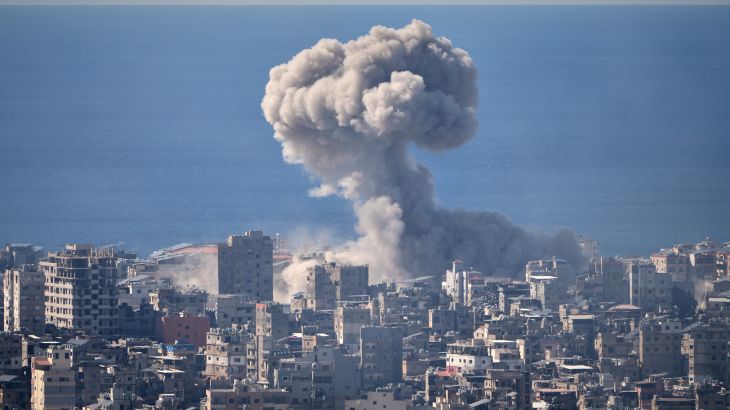
Iran Israel War tensions intensified dramatically on Thursday after fresh missile launches toward Israel, a drone attack on a military base in Iraq that wounded French soldiers, and escalating threats from both Iranian and Israeli leadership.
The developments highlight how the rapidly evolving conflict is expanding beyond the immediate battlefield and raising fears of a wider regional confrontation across the Middle East.
Rising Tensions in the Iran Israel War
The Iran Israel War has entered a dangerous new phase marked by cross-border attacks, sharp rhetoric from political leaders, and increasing involvement from international forces.
Officials across the region are closely monitoring the situation as multiple incidents within hours underscored the fragile and volatile security environment.
Diplomatic channels remain active, but military actions on both sides continue to intensify.
Missile Barrage Triggers Sirens in Tel Aviv
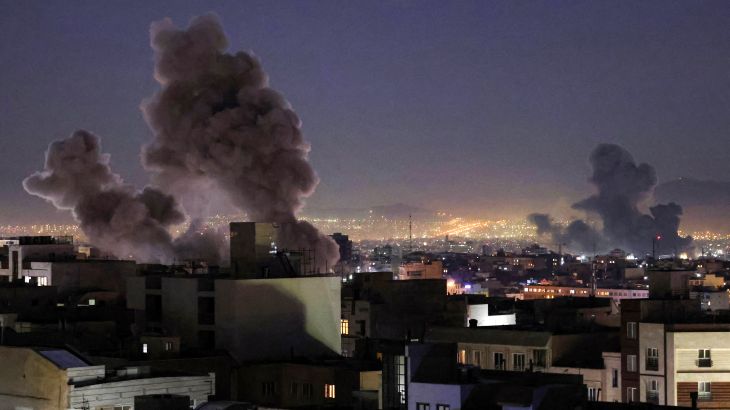
Iran launched a new wave of missiles targeting Israel late Thursday, according to regional media reports.
Air raid sirens sounded across central Israel and Tel Aviv, prompting civilians to seek shelter as Israeli air defence systems moved to intercept incoming threats.
Israeli authorities confirmed that at least one missile landed in an open area in central Israel, while the military said interception systems were actively working to neutralize the attack.
The missile launches mark one of the latest escalations in the ongoing Iran Israel War, which has seen repeated aerial exchanges over the past two weeks.
Drone Attack Injures French Soldiers in Iraq
The conflict’s spillover effects were also felt in Iraq.
A drone strike targeted a joint Peshmerga–French military base in the Makhmour area, located near Erbil in northern Iraq.
According to Erbil Governor Omed Koshnaw, at least six French soldiers were wounded in the attack.
A security source familiar with the incident confirmed the strike, though responsibility for the attack has not yet been officially attributed.
The assault highlights growing security risks for international forces stationed across the region as the Middle East conflict escalation spreads beyond the Israel-Iran battlefield.
Netanyahu Issues Stark Warnings to Iran Leadership
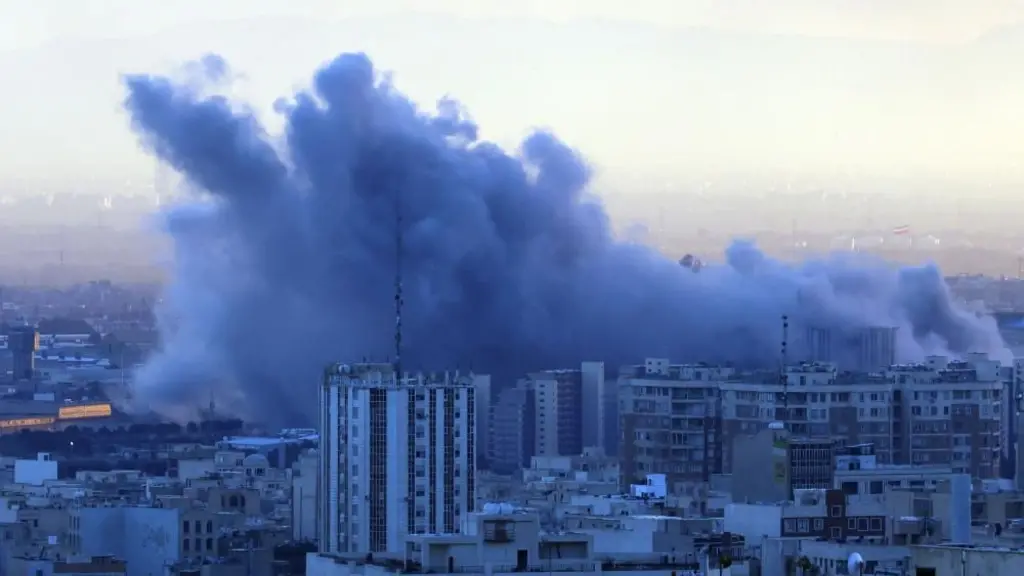
Israeli Prime Minister Benjamin Netanyahu delivered his first press conference since the war began, defending the ongoing military campaign conducted jointly with the United States.
Netanyahu stated that Iran had suffered significant damage following weeks of aerial bombardment.
According to the Israeli leader, the strikes have weakened elements of Iran’s Islamic Revolutionary Guard Corps (IRGC) and the Basij paramilitary forces.
He also issued a veiled warning directed at Iran’s newly appointed supreme leader, Ayatollah Mojtaba Khamenei, and Hezbollah leader Naim Qassem.
Without outlining specific plans, Netanyahu suggested Israel would continue targeting leadership figures associated with groups it considers hostile.
US Defends Cost of Military Campaign
Meanwhile, Washington dismissed concerns about the growing financial burden of the conflict.
US Treasury Secretary Scott Bessent said the United States would continue supporting the military effort despite the rising costs.
Officials from the Trump administration estimated during a congressional briefing that the first six days of the war had already cost the United States at least $11.3 billion.
Despite the enormous expenditure, American officials have signaled that military operations will continue as long as necessary.
Iran Threatens Regional Energy Infrastructure
Iran’s military leadership also issued a strong warning to its adversaries.
A spokesperson for the Khatam al-Anbiya Central Headquarters warned that any attack on Iran’s energy infrastructure or ports would trigger a devastating response.
The statement warned that oil and gas facilities across the region — particularly those tied to Western interests — could become targets if Iran’s own energy network is struck.
Analysts say such threats highlight the potential economic fallout of the Iran Israel War, especially if energy supplies in the Gulf region become disrupted.