Table of Contents
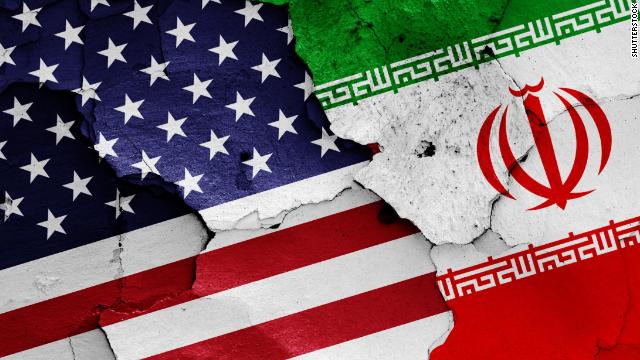
Iran rejects US peace plan as tensions in the Middle East continue to escalate, with Tehran delivering a firm and critical response to Washington through Pakistan, signaling limited prospects for immediate de-escalation.
Iran Rejects US Peace Plan
A senior Iranian official confirmed that Tehran’s initial reaction to the US proposal was “not positive,” emphasizing that the offer is still under review. The response was formally conveyed via Pakistan, which has emerged as a key intermediary between Iran and the United States.
Iranian state media further reinforced the stance, reporting that the proposal was viewed as “excessive” and potentially aimed at increasing pressure rather than resolving the conflict.
Officials in Iran dismissed claims by Donald Trump that negotiations were actively progressing, underlining deep mistrust between the two sides.
Pakistan’s Role in Mediation
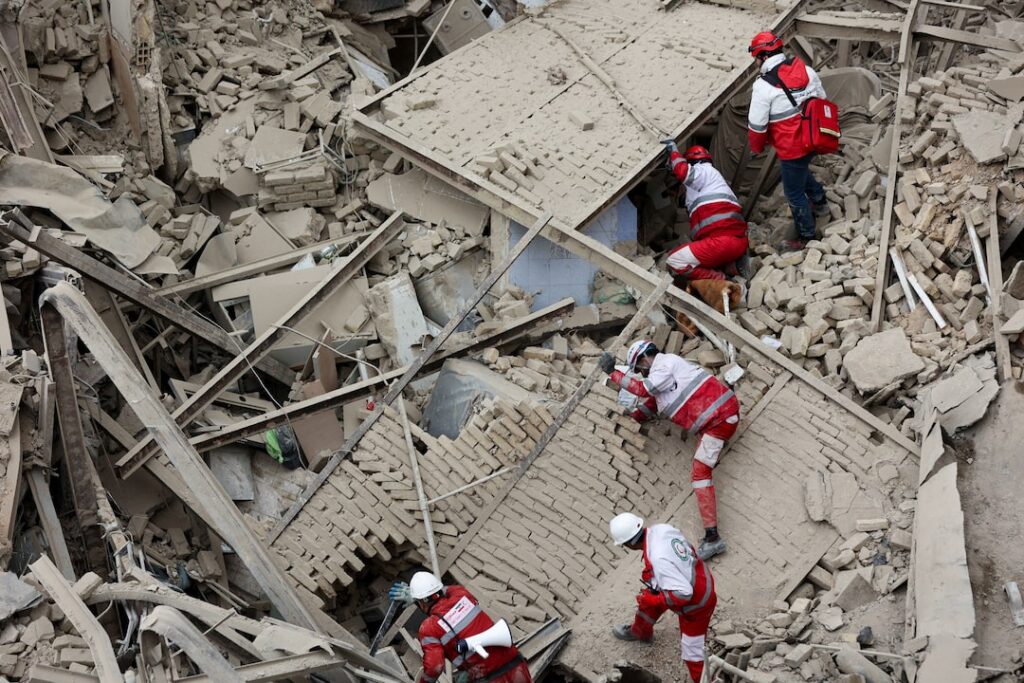
Pakistan has taken a central diplomatic role, acting as a communication bridge between Tehran and United States. Reports indicate that Islamabad transmitted Washington’s proposal and is now relaying Iran’s response back.
Recent developments suggest that high-level engagement is ongoing. Pakistan’s military leadership, including Field Marshal Asim Munir, reportedly held discussions with US leadership, reflecting Islamabad’s increasing involvement in efforts to reduce tensions.
Additionally, Prime Minister Shehbaz Sharif has publicly stated that Pakistan is prepared to host direct talks, positioning the country as a potential venue for negotiations.
Iran’s Conditions for Ending War
Tehran has outlined a clear set of conditions under which it would consider ending the conflict. These include:
- A complete halt to military aggression and targeted killings
- Binding guarantees to prevent future conflict
- Compensation for war damages
- A comprehensive end to hostilities across all regional fronts
- International recognition of Iran’s authority over the Strait of Hormuz
Iranian officials stressed that any resolution must align with these demands and that the timing of the war’s conclusion will be determined solely by Tehran.
US Response and Military Posture
While diplomatic channels remain active, the United States has simultaneously increased its military readiness in the region. Reports indicate that additional airborne troops are being deployed to the Gulf, underscoring Washington’s dual-track approach of negotiation and deterrence.
The involvement of senior US figures, including Vice President JD Vance, in potential future talks highlights the seriousness of the situation.
Diplomatic Developments Ahead
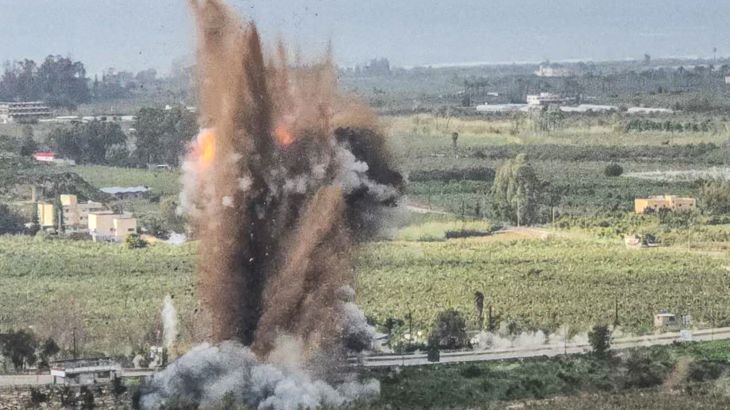
Despite the rejection of the US Peace plan, diplomatic efforts are far from over. Discussions continue regarding a possible meeting between US and Iranian officials, potentially hosted by Pakistan.
However, the absence of a mutually agreed venue and Iran’s firm stance suggest that any breakthrough remains uncertain.
As tensions persist, Pakistan’s mediation efforts could prove pivotal in determining whether dialogue can replace confrontation in one of the world’s most volatile regions.