Table of Contents
Full News Article
Geneva Round of Iran US Nuclear Talks Advances
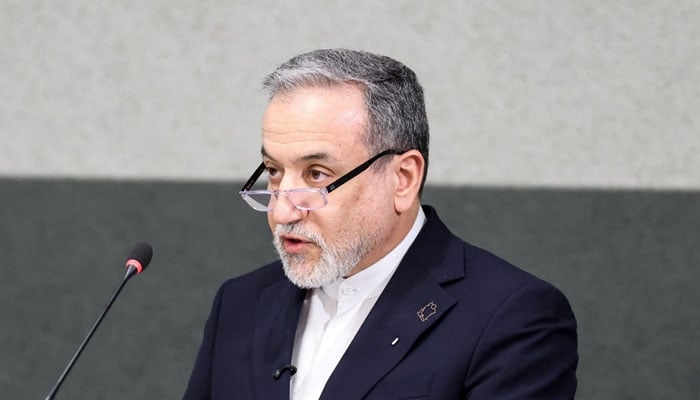
The Iran US nuclear talks in Geneva have registered tentative progress as Iranian and American representatives concluded their second round of negotiations on Tuesday. Foreign Minister Abbas Araghchi described the latest discussions with Washington as more productive and constructive than earlier engagements.
Araghchi, speaking after the close of the session, said broad “guiding principles” had been agreed upon during discussions mediated by Oman, but he emphasised that this did not yet constitute a formal deal.
Guiding Principles Reached, Deal Not Finalised
Although the latest round of Iran US nuclear talks produced an understanding on core principles, both sides acknowledged that significant work remains.
“We were able to reach general agreement on some guiding principles … from now on we will move forward and enter the text of a potential agreement,” Araghchi told reporters after the session.
A US official echoed the cautious optimism, saying progress has been made, but “there are still a lot of details to discuss,” and Tehran is expected back in Geneva within weeks with more detailed proposals.
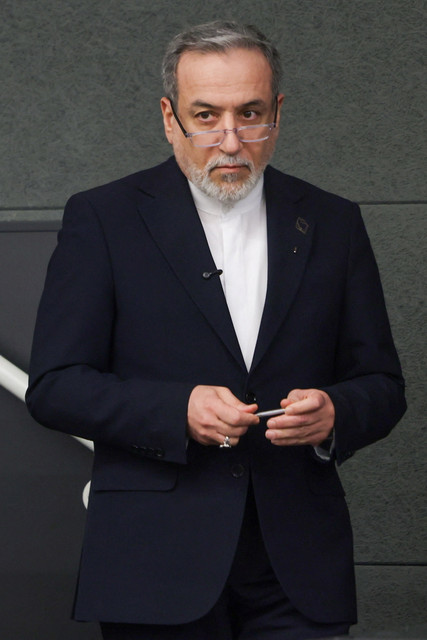
Despite the positive frame, neither side set a date for further meetings, and Iranian officials have stressed that any durable agreement must fully recognise Iran’s legal rights, including its nuclear programme and the eventual lifting of sanctions.
Regional Tensions as Talks Proceed
The Iran US nuclear talks are unfolding against a backdrop of heightened regional tensions. On the same day as the negotiations, Iranian state media reported that parts of the strategic Strait of Hormuz were temporarily closed due to military drills by the Islamic Revolutionary Guard Corps. The Strait of Hormuz is a key oil transit route, and any prolonged disruption can have global energy market consequences.
While both sides profess a willingness to maintain dialogue, the spectre of broader conflict remains. The United States has previously warned it could use force if diplomacy fails, heightening the stakes for every round of negotiation.
Strong Statements from Tehran and Washington
Throughout the latest Iran US nuclear talks, rhetoric between Tehran and Washington has varied from guarded optimism to sharp warnings.
Iran’s leadership insists that the talks focus solely on the nuclear issue, with Araghchi stating that any sustainable deal must uphold Iran’s legitimate rights—a clear reference to uranium enrichment and sanctions relief.
Meanwhile, some in Washington have reiterated that preventing Iran from acquiring nuclear weapons remains a priority, even as diplomatic channels remain open. National leaders on both sides have underscored that deterring conflict is preferable to military escalation.
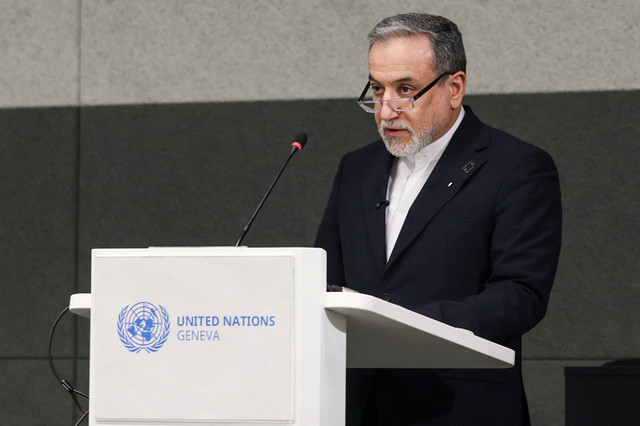
Outlook for Future Iran US Nuclear Talks
As the dust settles on this second round of Iran US nuclear talks in Geneva, analysts say the outcome represents a step forward but not yet a breakthrough. Both Tehran and Washington appear committed to keeping the diplomatic track alive, but the process is expected to be slow and complex.
The agreement on guiding principles lays groundwork for future negotiation phases, but observers caution that deep-rooted differences in positions will require careful diplomacy and careful cooperation from all involved parties.
For now, the international community watches closely, with Tehran expected to return with more detailed proposals in the coming weeks to bridge remaining gaps.