Table of Contents
Full News Article
Iran’s nuclear programme are set to resume in Geneva amid rising tensions and complex diplomatic challenges. On the eve of the discussions, US Secretary of State Marco Rubio acknowledged the difficulties in reaching a comprehensive agreement with Tehran, highlighting longstanding challenges in previous negotiations.
US Statement for Iran’s nuclear programme
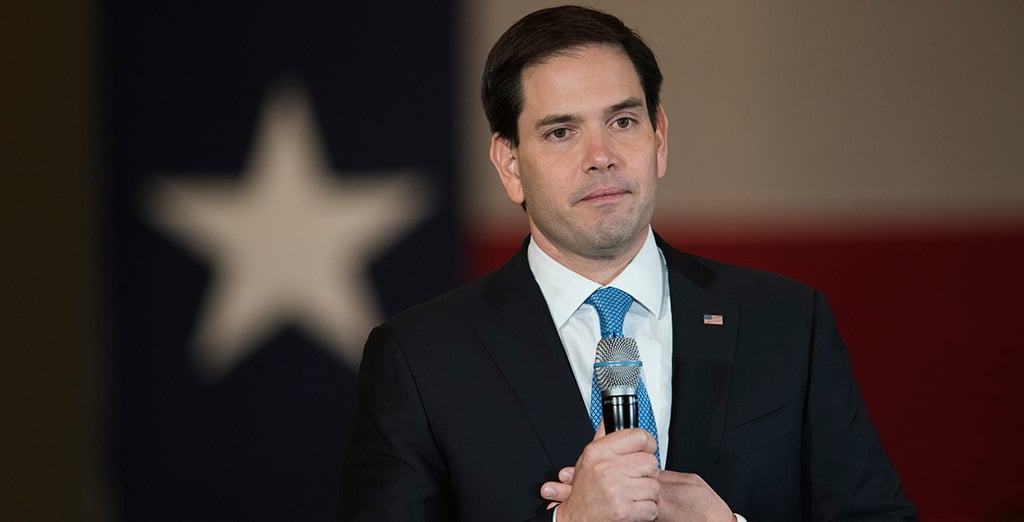
During a visit to Budapest on Monday, Rubio said, “I think that there’s an opportunity here to diplomatically reach an agreement that addresses the things we’re concerned about. We’ll be very open and welcoming to that. But I don’t want to overstate it either. It’s going to be hard.”
Rubio noted that negotiating with Iran has historically been challenging due to a mix of geopolitical and ideological considerations. The United States is preparing a framework to address concerns over Iran’s nuclear programme and related security issues.
Iran’s nuclear programme Position and Remarks
Meanwhile, Iranian Foreign Minister Abbas Araqchi held talks with Rafael Grossi, the Director General of the International Atomic Energy Agency, in Geneva on February 16, 2026. The meeting focused on strengthening cooperation related to nuclear monitoring, transparency measures, and technical perspectives surrounding the ongoing negotiations. During the discussions, Araqchi reiterated Tehran’s position that it remains committed to diplomacy but seeks “a fair and equitable deal” that respects Iran’s rights and interests. He firmly stressed that Iran would not negotiate under pressure, underscoring this stance by stating, “What is not on the table: submission before threats.”
Iran’s deputy foreign minister, Majid Takht-Ravanchi, recently signaled that Tehran is willing to discuss aspects of its nuclear programme in return for sanctions relief, while reaffirming that missile capabilities remain outside the negotiation scope. Tehran maintains that its nuclear activities are for civilian purposes and has expressed readiness to build international trust regarding peaceful enrichment.
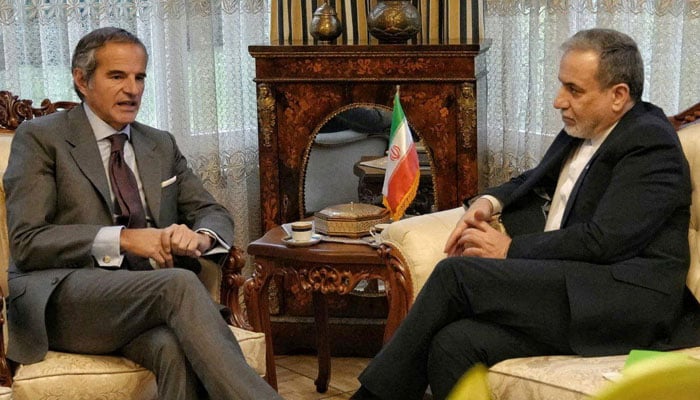
Switzerland, February 16, 2026. — Reuters
Military and Security Developments
Tensions in the region have increased following US and Israeli air strikes on Iranian sites in June. The US has now deployed a second aircraft carrier strike group to the Middle East, alongside other naval and air assets.
In response, Iran launched a military drill in the Strait of Hormuz, a strategic international waterway critical for global oil exports. The Revolutionary Guards conducted exercises under the name “Smart Control of the Strait of Hormuz” to ensure readiness to secure the waterway. Iran’s civil defence authority also held a chemical defence drill in the Pars Special Economic Energy Zone, aiming to strengthen preparedness for potential incidents in the energy hub.
Scope and Challenges of Negotiations Iran’s nuclear programme
The Geneva talks are expected to cover Tehran’s nuclear programme. Washington has also indicated an interest in discussing non-nuclear issues such as Iran’s missile stockpile. However, Iran insists on focusing exclusively on nuclear limitations in exchange for sanctions relief and maintains that uranium enrichment capabilities are not negotiable.
Israeli Prime Minister Benjamin Netanyahu has reiterated that any agreement must include dismantling Iran’s nuclear programme infrastructure, beyond merely halting enrichment processes.
IAEA Oversight and International Reactions
The IAEA continues to seek clarity from Iran regarding its stockpile of highly enriched uranium following last year’s strikes. Inspections at key sites in Natanz, Fordow, and Isfahan are a central component of ensuring compliance with international standards.
As negotiations resume, both sides face significant hurdles in balancing security concerns, sanctions relief, and regional stability. Analysts note that while diplomatic opportunities exist, prior experience underscores the complexity of securing a lasting agreement.